Category: Mental health

  • Appreciating the ‘boring’

    One of many things I learnt about myself in 2024 is that a lot of my anxiety and insecurities stem from a subconscious obsession with wanting to be ‘normal’. I can be perfectly content spending a day by myself until I’m suddenly hit with the negative thought spiral of, “Is this what a normal 20-year-old should be doing? Am I wasting my youth? Am I appreciating my life enough?” which often puts me in a bad mood.
    The night before I flew home from Geneva, I worked myself into a state thinking, “It’s not as if my life was perfect before. I’m just going to have the same boring life I had before I came here and I’ll never be happy again.” I was finding it hard to be proud of getting through Geneva as I was constantly questioning the point of it. I told myself the reason I went, and why I’m continuing my year abroad, is to complete my degree, but I couldn’t help but question whether there’s even a point in that.

    I’m currently sitting on my bed typing this, and my life is fairly similar to how it was before setting out on my year abroad (albeit with the added stress of having to return to Geneva and sorting out my Austrian visa). I’ve realised, though, that having a ‘boring’ life isn’t a bad thing at all. When I was at uni in the UK and I spoke with people who decided against university, I didn’t envy them. I felt like my purpose was to graduate, even if I had no idea what my life goal would be after that. Now, on a year abroad, when I speak to those same types of people, I sometimes feel jealous and wish I were living a life without academically imposed years abroad. Theodore Roosevelt once said that “comparison is the thief of joy” and I think he hit the mark with that. It’s only when I start to compare myself with others that I begin feeling dissatisfied.

    I don’t think I’m alone in feeling this way, and the older I get, the more I realise how much social media is to blame. Before the era of Snapchat, Instagram and similar apps, you’d have no clear idea of what others were doing, so how would you know whether you’re ‘normal’ or not? It wouldn’t matter. Nowadays, it feels as though we’re always trying to live up to the expectations created by others’ glamourised lives, and we forget we’re only seeing what they want us to see. It’s not often you see pictures of people during their worst time, or at least where they admit that it is. When I’ve met up with friends since my return, some were shocked to learn how bad things had been for me because my Instagram posts gave the impression I was having a great time. I was playing the game too.

    My remedy for this is something I’ve written about in another post: the act of ‘romanticising my life’. The way I’d describe it is finding appreciation in the small things and mindfully approaching each day. When I was at the peak of my anxiety in Geneva, I put so much pressure on myself: “Why aren’t you happy right now? Your life could be so much worse – you need to be grateful!” but I’ve learnt along the way that it’s not necessarily about being happy all the time since that’s impossible. Instead, it’s about taking pleasure in the mundanity of life.

    I’m currently reading Everything I Know About Love by Dolly Alderton and I think she captures it perfectly (if you’re planning on reading it, spoiler warning): after the death of her best friend’s sister, she describes walking by the river together and saying, “I was grateful for understanding in that moment that life can really be as simple as just breathing in and out”. This line brought a smile to my face because it reminded me how often we get caught up in life’s stresses and forget that, at its core, life is both simple and beautiful.

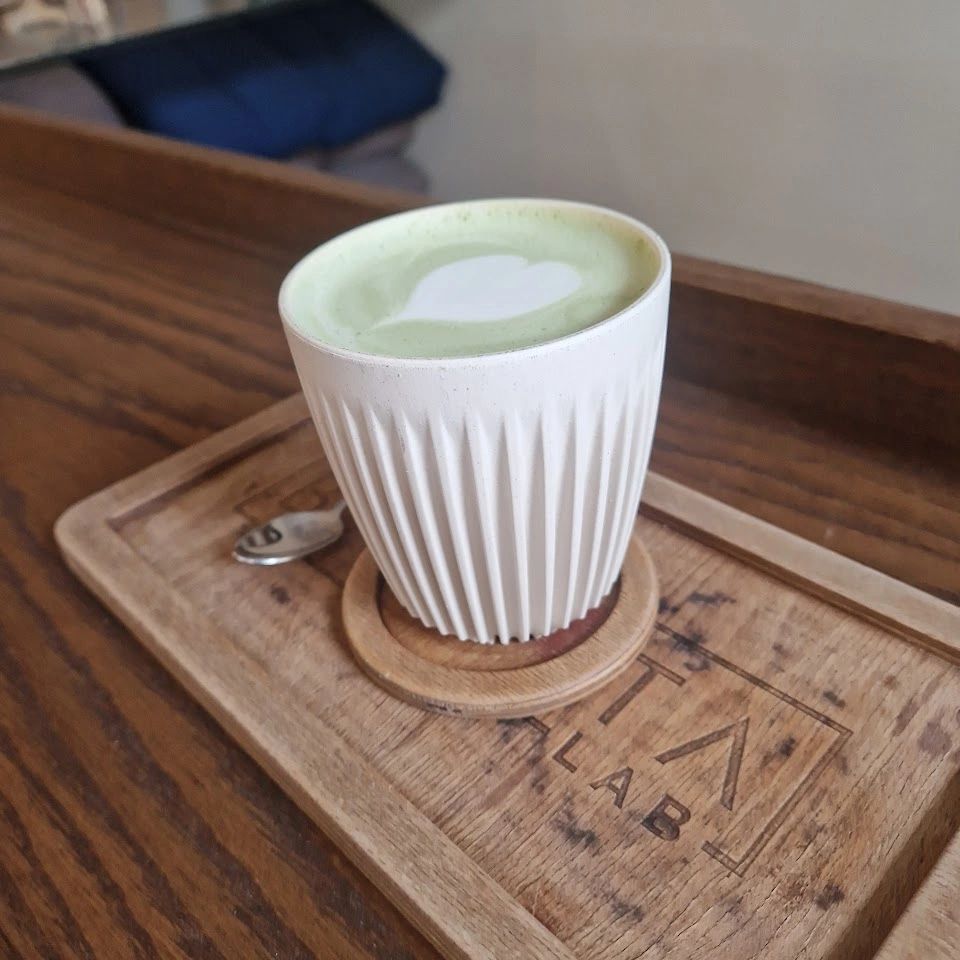
    I talked before about the concept of having ‘purposes’ and ‘life goals’. I’ll admit, I’m terrified of the day I graduate from uni, because I worry my mind will ask “now what?” and I won’t have the answer. A flaw in my thinking is that I tend to tie my sense of purpose entirely to academic or professional achievements, when there’s so much more to life than that. Life is also about the morning coffee, catching up with old friends, seeing a cute dog on the street, watching the last episode of your favourite series, the list is endless.

    ​

    Our capitalist society conditions us into thinking that anything that doesn’t make us money is ‘pointless’ and a ‘waste of time’, but I beg to differ. Humans are hedonistic by nature; our purpose isn’t to work ourselves to the bone so we have no energy to enjoy the rewards of our labour – it’s to connect, to laugh, and to have a bit of fun! So, even if I don’t yet know what my ‘life’s purpose’ is, the world is vast and I’m confident I’ll find it. In the meantime, waking up and simply breathing in and out is enough.

  • Ten things I do for my mental health whilst living abroad!

     I’ve said it before, and I’ll say it a thousand times over: doing a year abroad is not easy, and I’ve learnt that first hand. When you’re in a foreign country with strange customs and unfamiliar faces, it’s normal to feel anxious, or that you simply want to go home! There are countless situations you have to learn to navigate, from administrative tasks like opening a bank account to social interactions in another language, and it can be a very isolating experience. I’m not at all saying that a year abroad isn’t worthwhile, because it is, but there’s more to it than people often assume. After two months of living in Switzerland as an exchange student, I’ve compiled this list of things I do to take care of myself when I feel down.
    Note: Many of these tips might sound cliché, but they have personally helped me. I also appreciate that some are easier said than done, especially when you’re feeling unmotivated.

    Journaling
    I’ve been keeping a journal since I was 16 and kept many diaries on and off before that, because I believe they have many benefits. When I face a dilemma or I’ve had a bad day, writing about it in my journal feels like a weight’s been lifted off my shoulders. While journaling can’t solve all of life’s problems, I find it a helpful way to process thoughts and see them more clearly. Another reason I love journaling is that I can revisit old entries and see how I’ve changed. Sometimes I find them a bit cringe, but I try to look at them positively and reflect on how much I’ve grown emotionally since then. Living in Switzerland has only increased my desire to journal, because I know that I’ll one day look back and recognise how this experience has made me more resilient. If you’re new to journaling, try starting with a page each night about your day and feelings. Once it becomes a habit, you can add monthly reflections, gratitude entries, or whatever feels right for you.

    Give myself ‘missions’
    An issue that a lot of people who are studying or working abroad face, is having more free time than they know what to do with. I’m certainly finding this to be true, as I only have classes three days a week, leaving me with lots of free time. To combat this, I set myself ‘missions’, as I like to call them. What I mean by this is I try to find something to do to get me out of the house each day. These missions don’t have to be anything big – for example, today my mission was to go to Lidl and then to the post office to send some cards. I like doing this because even if the only thing I did today was the mission, at least I can say that I did something with my day.

    Learn about something
    I’ve always been a very curious person – my family will be the first to tell you that my favourite word as a child was “why?”, which is why I like this tip so much. Learning about something can come in many different forms, but the one that’s the most dynamic, and could even double as a ‘mission’, is going to a museum, of which there are many in Geneva. Most recently, I stumbled across the Musée d’Ethnographie, where I learned all about colonisation and Switzerland’s role in it, which I found fascinating. I don’t always have the time or energy to do this, so sometimes it can even be going down a Google rabbit hole of a subject I’ve always wanted to learn about. For example, one sleepless night, I discovered that “denim” comes from “de Nîmes” (from Nîmes) and “jeans” from “Gênes” (Genoa), referring to where they originally came from! Other times, I enjoy listening to podcasts as they provide both education and the comfort of someone talking to me.

    Do things for my future self
    How many times have you written down a list of jobs you need to do, and then told yourself “I’ll do that later” or “I’ll do that one tomorrow” because you couldn’t be bothered? For me, it happens far too often, but this rule means that I defy that inner voice. The habit of putting tasks off erodes self-trust and frustrates your future self since you’re teaching your brain that you lack willpower. I practised this rule today, because I remembered I had to make myself some dinner to take with me to university tomorrow, and my first thought was “I’ll do it later”. I then realised I wasn’t doing anything at the time, and therefore had no valid reason to procrastinate. In retrospect, I’m glad that I did, because now I have a relaxing evening where I’ve already done everything in preparation for tomorrow!

    Have things to look forward to
    I find this to be especially relevant in the Winter months when the days are cold and dark, because all I feel like doing is crawling into bed and never getting out. Seasonal depression can get the better of us, and I find that depressive episodes fester when you’re in a pessimistic mindset and you forget that it’s only temporary. This is why I try to have things to look forward to, so I can remind myself that there are things in my life that are worth ‘sticking it all out’ for. The thing that I’m looking forward to the most right now, is the day when I can fly home for Christmas, and I can finally spend quality time with my friends and family. This Friday, it’ll be 5 weeks until that day so it’s a big countdown clock in my head. To make this waiting even more bearable, I’ve just booked trips to Bern and Milan! Whenever I feel anxious or sad, I remind myself that these exciting moments are coming.

    Look for the positive
    If I had a Swiss franc for every time I’ve been told this, or something to the same effect, the cost of living in Geneva wouldn’t be bothering me. It’s a prime example of something that is much easier said than done, but I try my best to put a positive spin on my negative thoughts. When I miss my family, I tell myself that it’s a privilege to have people I love so much. When university stresses me out, I reflect on how fortunate I am to have the opportunity to study here. When I want to go home, I think about Switzerland’s beauty and all there is to explore. It’s not always easy, but I remind myself how valuable this experience is for my personal and linguistic growth, despite the fact it isn’t always peachy.

    Reach out
    At first, I felt embarrassed to admit to my loved ones that I was struggling, because A. I didn’t want to worry them, and B. I felt as though I was letting people down who believed I would thrive here. I soon realised that my loved ones want to support me. Besides family and friends, my teachers from Lancaster have also been incredibly supportive. Still, I try not to live my life on my phone; I make efforts to connect with people here too. Whether it’s messaging a classmate to grab a coffee or going to GoSocial events, I remind myself that there are others in the same boat as me. I approach these events with the mindset of having a new experience rather than expecting to make lifelong friendships, because I know that not everyone you meet will be a friend for life. This, however, isn’t to say that they aren’t valuable experiences.

    Do things that automatically bring me joy
    Everyone has something that brings them joy, and for me, it’s starting the day with a coffee and ending the day with an episode of one of my comfort shows. This isn’t necessary, but it’s good that they were already in my routine back home to bring me a sense of stability. For you, it could be reading your favourite book, listening to songs you love, gaming, the gym, anything! Whatever it is, as long as it makes you happy and relaxed, embrace it.

    Get moving
    As someone who isn’t a big fan of exercise, I used to roll my eyes at the suggestion of physical activity for mental health. I’m not talking about going to the gym every day, though. I’m talking about finding something that you enjoy to get your blood flowing, since you aren’t going to want to stick to something you don’t like. I’ve personally set myself a target of trying to walk at least 6,000 steps every day, because I realised that I actually enjoy going on walks to clear my head. I also bought a yoga mat on a whim a few weeks ago, so I’ve been following yoga tutorials online when I wake up. Something else that I do, which also counts as me doing something for my future self, is I unroll the yoga mat before I go to sleep and put it next to my bed. The routines aren’t difficult – they mostly consist of body stretches to wake me up, but I find that it helps me to feel more energised throughout the day. Small actions like these boost both physical and mental wellbeing, two things we can easily neglect during tough times.

    Be kind to myself
    This is definitely the most important one for me, and something I’m still learning. When I first came to Switzerland, I found that I was holding myself to the same standards I was when I was studying in the UK, and I later realised that I shouldn’t be; moving to a new country is an enormous change. I’d get frustrated if I got on the wrong bus, or I struggled in class, until I started questioning my self-talk. I now try to challenge negative thoughts and overwrite them with “you’re just a human, trying your best”. Even if I don’t know everything, I simply cut myself a bit of slack because I know that I am just a human and I am trying my best in this new country.