
I’m finally nearing the end of my studies in Geneva. It’s a weird feeling because it’s undoubtedly been one of the hardest things I’ve ever done, but it had its merits. I know that it has made me a stronger person and I’m grateful that a year abroad is compulsory for my course – otherwise, I never would have chosen it. Although I haven’t yet seen the back of Switzerland because I have to return in January for exams, I thought that now would be the best time to share the pros and cons of studying here. Maybe this will help if you’re considering studying in Geneva or elsewhere in Switzerland, as many of these points apply to the country as a whole.
Museums and cultural activities
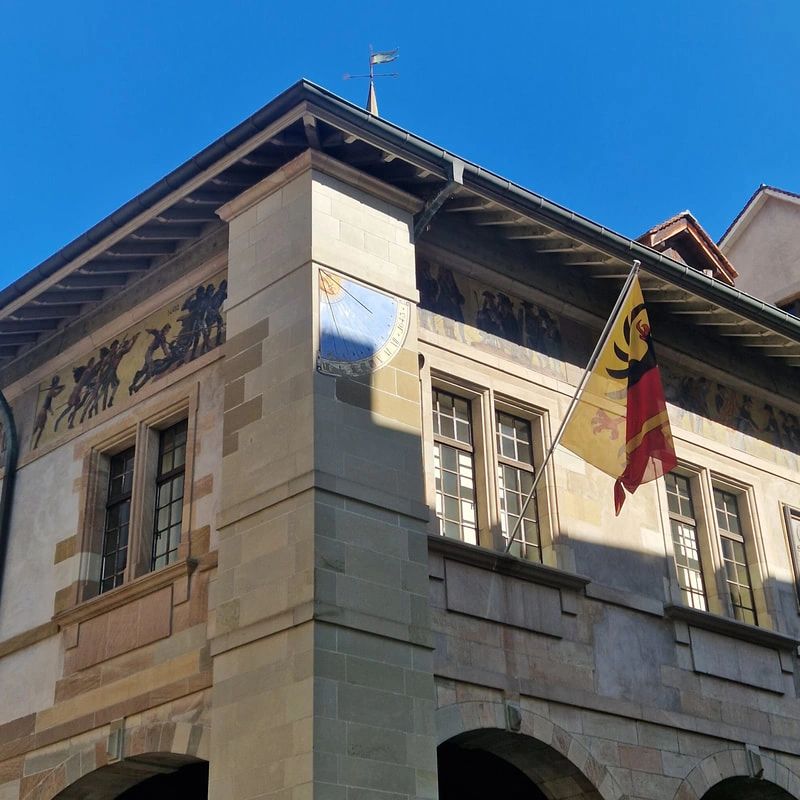
A key aspect of studying abroad is immersing yourself in the country’s culture. This is very easy in Geneva with its plethora of museums. Recently, a friend and I visited the Patek Philippe Museum, dedicated to the luxury watch brand, and Maison Tavel, which explores Geneva’s history. There’s also the Museum of Ethnography, the Red Cross Museum, among many others that I’m probably unaware of! They also tend to be reasonably priced or even free making them an excellent option for a rainy day – a common occurrence at this time of year. Beyond museums, Geneva hosts events like la Fete de l’Escalade every December, celebrating the city’s victory over the Duchy of Savoy in 1602. You’ll never run out of new things to learn whilst living here.
Convenient location
If you want to travel during your year abroad, Switzerland is the perfect place. Being landlocked makes it incredibly convenient to hop on a Flixbus and visit neighbouring countries like France, Italy or Austria. Within Switzerland, travel is equally simple thanks to its small size. I’ve taken trips to Bern, Lyon and Milan, all for reasonable prices with Flixbus. Some friends have even flown to European destinations like Copenhagen and Madrid from Geneva, though I prefer budget-friendly options.
Safety
Only when I returned from Lyon did I realise how safe I feel in Switzerland. This is an important factor to consider, especially as a woman. When in Lyon, there were several instances where I felt uncomfortable because of men approaching me at night, but I’ve never experienced this in Geneva. The same goes for pickpocketing: I was warned to be cautious about this in Italy and France, but it’s less of a concern in Switzerland because of its low crime rate. Never say never, obviously, but I feel very secure even when alone in the city centre.
Reliable public transport
Something I absolutely hate when in a new country, is working out how their public transport works – every country has its own system and I never know the correct etiquette. Switzerland was confusing for me at first because the transport works on a trust basis – you only show your ticket if an inspector asks for it, but I love the buses and trams here. They’re reliable, frequent, and the bus I use runs all night at the weekend. The TPG app is a lifesaver, offering clear directions to easily get anywhere in the city.
Students speaking English
This is more of a neutral point because it depends on your goals for studying abroad. I came to Geneva to improve my French which has been surprisingly challenging; Geneva’s multicultural nature means English often becomes the default language among students. I met so many people at ESN events who didn’t speak a word of French which shocked me – I was anxious enough about coming here without having to worry about not knowing the language. My teachers at Lancaster advised us to avoid English speakers like the plague because we won’t improve our French that way, but that’s easier said than done here. While my classes are in French, they’re mostly tailored to French learners, so I rarely come across native speakers.
Shop hours
We’re gradually moving towards my gripes about Geneva. Coming from a country with 24-hour supermarkets and retail stores open daily, it was a shock to the system to learn that all shops are closed on Sundays and the supermarkets close at 7pm every other day. You’ll find small (expensive) convenience shops open on Sundays, but they’re few and far between. I understand that retail workers deserve time to rest, but it’s a pain when you run out of essentials on a Sunday.
Admin
When I learned that students don’t need a visa for a single semester, I felt relieved. That was until I realised that we instead need to apply for a residence permit, take out private health insurance, make a tax declaration, write a letter of departure to the migration office, among other bureaucratic nightmares. Don’t be fooled by anyone who tells you that “you only need to worry about admin once you get here” is mistaken. I made this mistake and ended up with tasks up to my eyeballs whilst trying to settle into a new country.
Competitive accommodation
One might assume that a major city like Geneva would have plenty of student accommodation. This couldn’t be further from the truth. I applied for university housing in March and I was still #1061 on the waiting list by July. I turned to private options, only to find very limited options, and many landlords preferring tenants for the entire academic year. In the end, I arranged private accommodation through a recommendation from a Lancaster student who had studied here before. It’s been an…interesting experience, but at least I have a roof over my head.
Prices
This is, without a doubt, the worst thing about Geneva. Many warned me that Switzerland was expensive but I thought they were exaggerating. Food, drinks, clothing – everything, is extortionate. In my first week, I bought a singular double vodka lemonade in a bar for 19.50CHF. If you’re earning a Swiss income then it’s manageable, but as a student with no income, it’s crushing. The only things I’ve found to be cheaper in Switzerland are cigarettes and stamps – great if you’re a chainsmoker with a pen pal, I suppose.
Final thoughts
Geneva is a beautiful city which I’m glad I got to experience. It’s the perfect response to the question, “where in France are you studying for your year abroad?” as people often forget there are other French-speaking countries. The university is world-class, and I’ve learned so much, not just academically but about myself. Adapting to a new culture is no easy feat but this experience has undoubtedly built my character. That said, if I had known about some of the negative aspects, especially the financial burden, I might have chosen somewhere else. That’s the privilege of hindsight, though, so my advice is to thoroughly research your options to thrive wherever you go. I made the mistake of not researching my choices and being hit with many surprises when I arrived here. Don’t make the same mistake I did.
Ela Selam
Leave a Reply