Author: Ela Selam

  • A week(ish) in Lisbon

    A week(ish) in Lisbon

    For our last holiday of the year, Lewis and I wanted somewhere relaxing and warm. As I looked at the European map for where I haven’t yet been, Portugal seemed the natural choice. Not only is it sunny, but I’d heard it’s great for vegans and full of cultural activities. Lewis agreed and so it was booked.


    Read on to see what we got up to on our week away.


    Day 1

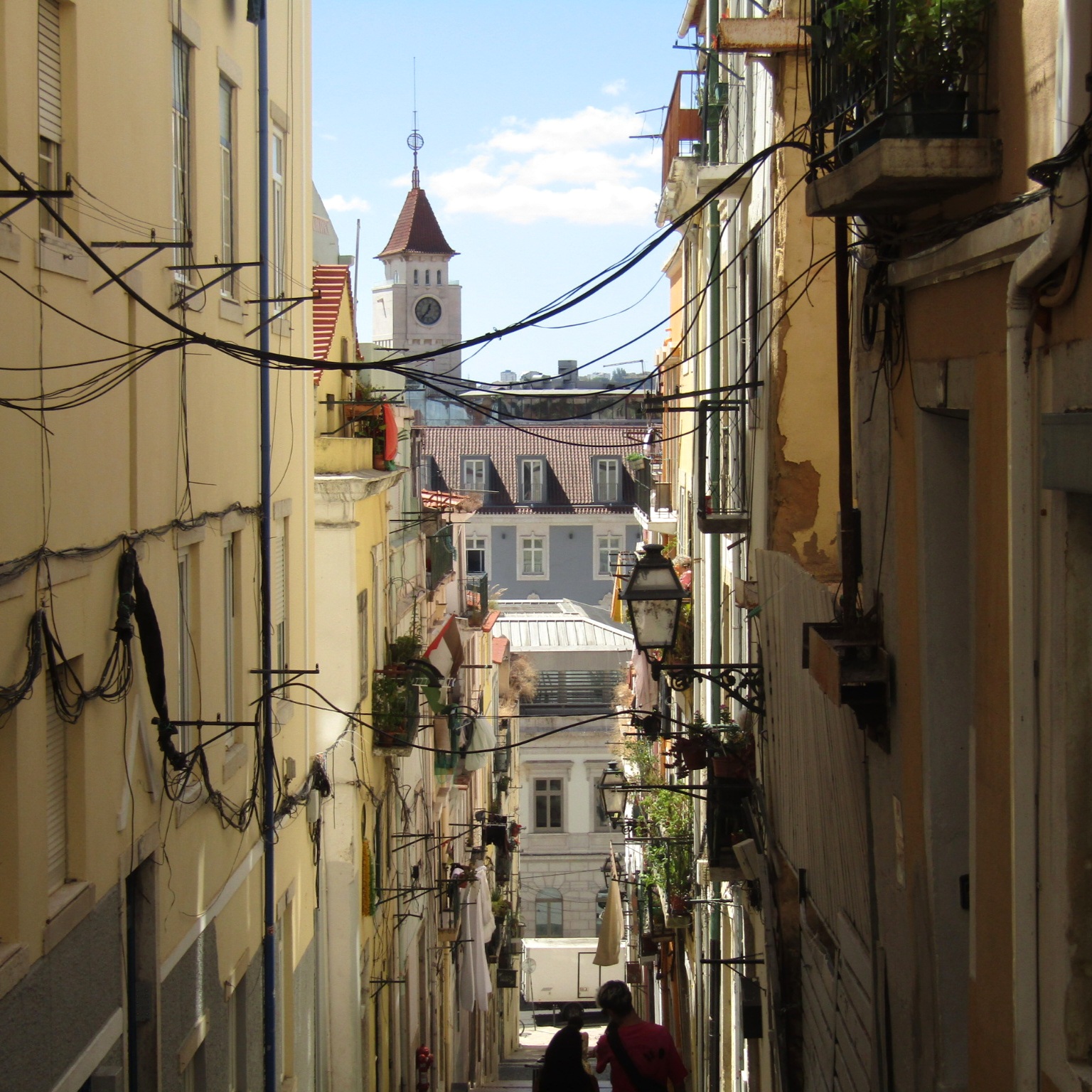
    We didn’t get to the hotel until 1:15am the previous night, so our first day was naturally spent tired. We started by exploring the area, which was full of shops and lovely architecture. As my favourite colour is yellow, I was especially in love with the abundance of yellow houses in Lisbon. I commented that we should paint our house yellow when we get one.


    Although I can’t speak Portuguese, my language knowledge still came in handy. As I was paying for magnets in a gift shop, a Portuguese woman was telling me that she lived in Switzerland where she tried to learn English, which she never managed, but she did learn French. I then switched to French and told her that I also lived in Switzerland and have a French degree. We had a short conversation and Lewis told me he’s always so impressed when I do that. Being multilingual is certainly an asset when travelling.


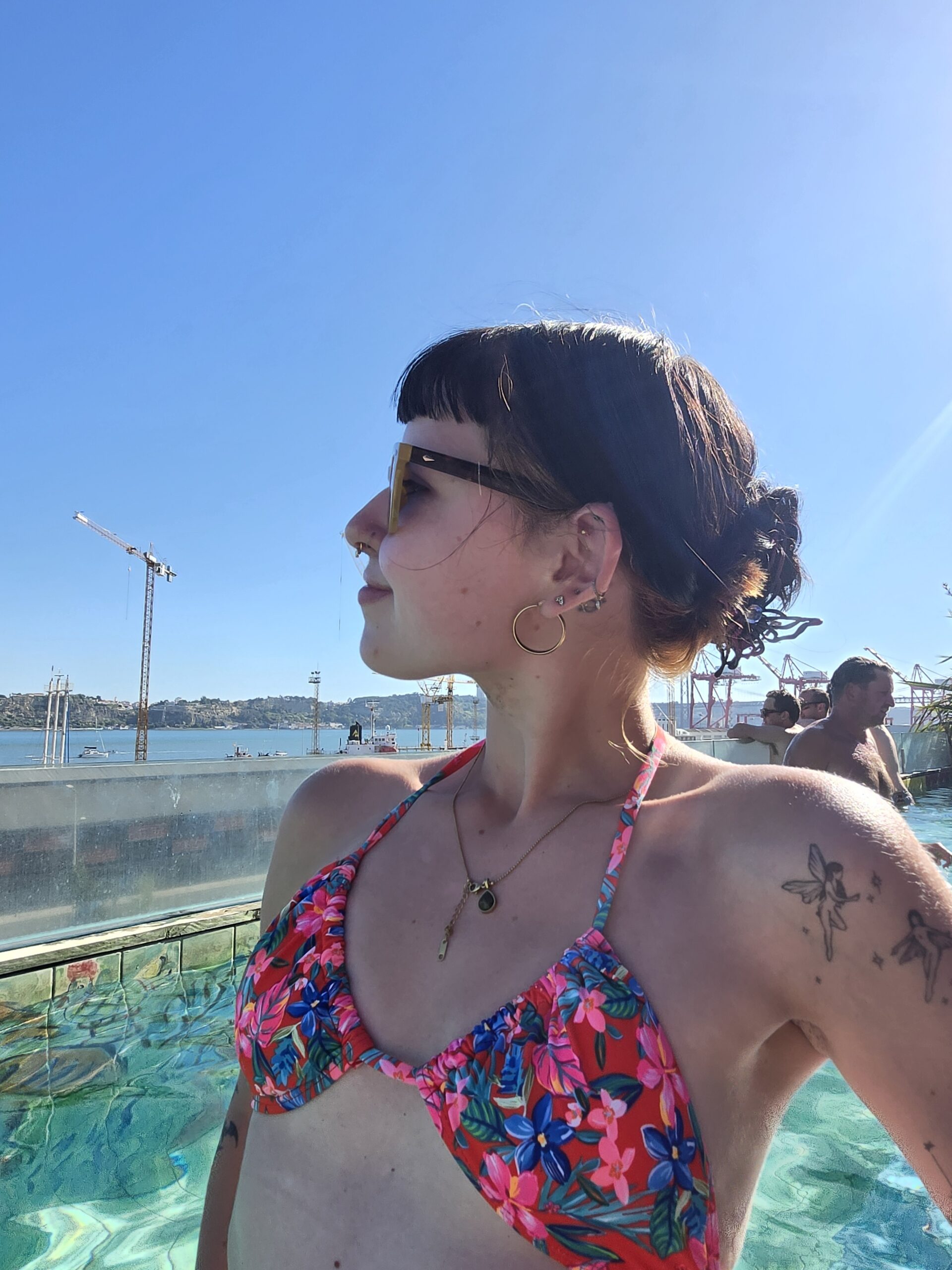
    Once back to the hotel, we went in the rooftop pool, of which we haven’t had the privilege on our other holidays. It wasn’t massive, but it was great for simply sitting and reading, complete with a bar! I appreciated a hotel with a pool, even in a bustling city.


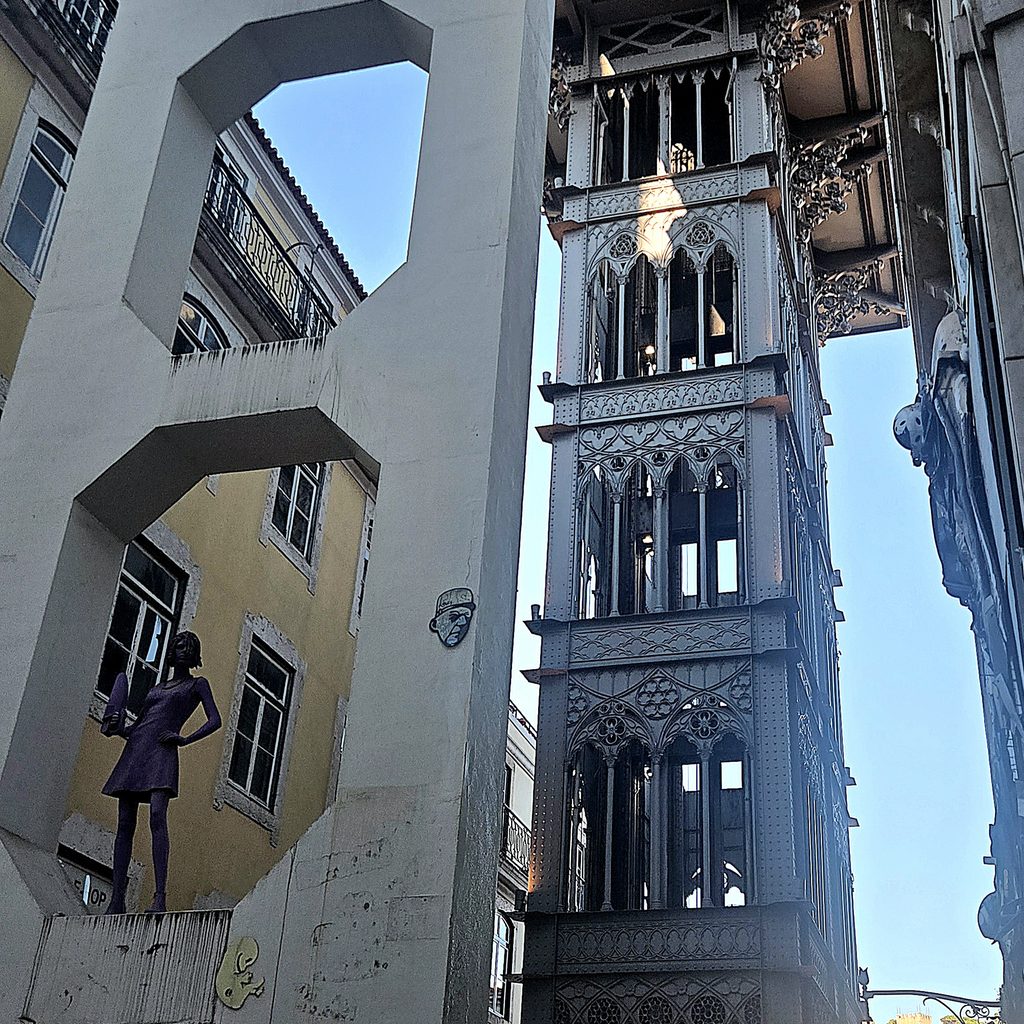
    In the evening, we went to a vegan restaurant called Organi Chiado. It was a stone’s throw from the Santa Justa lift, a Neo-Gothic iron elevator connecting downtown Lisbon to Carmo Square, which we walked to beforehand. It wasn’t open at the time, yet it was fascinating to admire.


    The restaurant offered a selection of three vegan pâtés as a starter, which we ordered as we were intrigued. My favourite was the peanut and apple flavour, though there were two more savoury options. I ordered penne pasta with a creamy cashew and tomato sauce for my main, followed by rice pudding for dessert. The whole meal was delicious and surprisingly cheaper than UK restaurants.


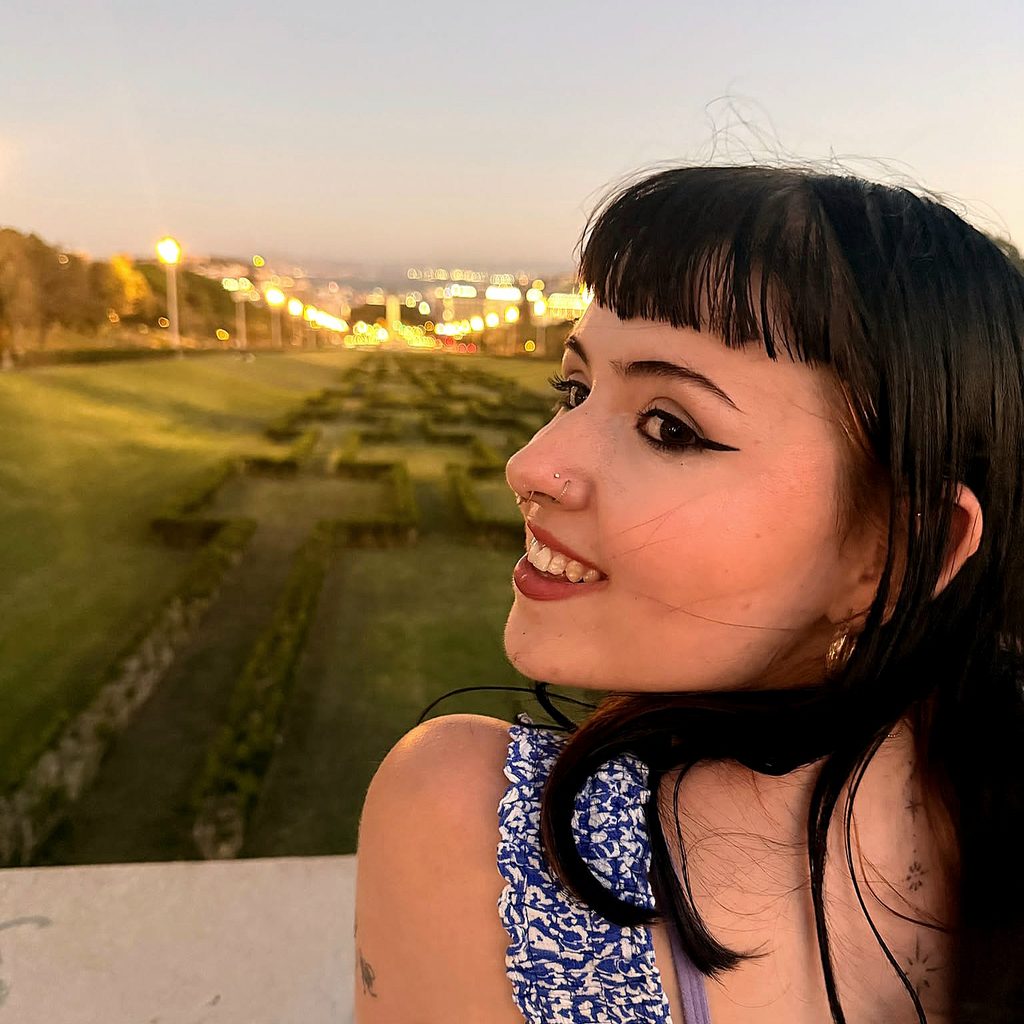
    Lewis suggested we went to Parque Eduardo VII, the biggest park in Lisbon, after our meal. We sadly missed the sunset, but it offered a great view of the city since it stands on a hill. We sat on the wall for a while and simply took in the views. It was a lovely way to spend our first evening in Lisbon.


    Day 2

    As per usual, I woke up much earlier than Lewis, so I spent the morning reading on the roof. Since I was on the only bench in the shade, a man asked me in Portuguese whether he could sit there too. My very British self responded, “what?”, so he repeated the question in English. I obliged and he later asked whether I was from Manchester. We got talking and he told me he studied French and Portuguese in Manchester, so I told him about my own journey with languages. He congratulated me for continuing with them at postgrad and he went on his way. I found it a pleasant interaction to start my day.


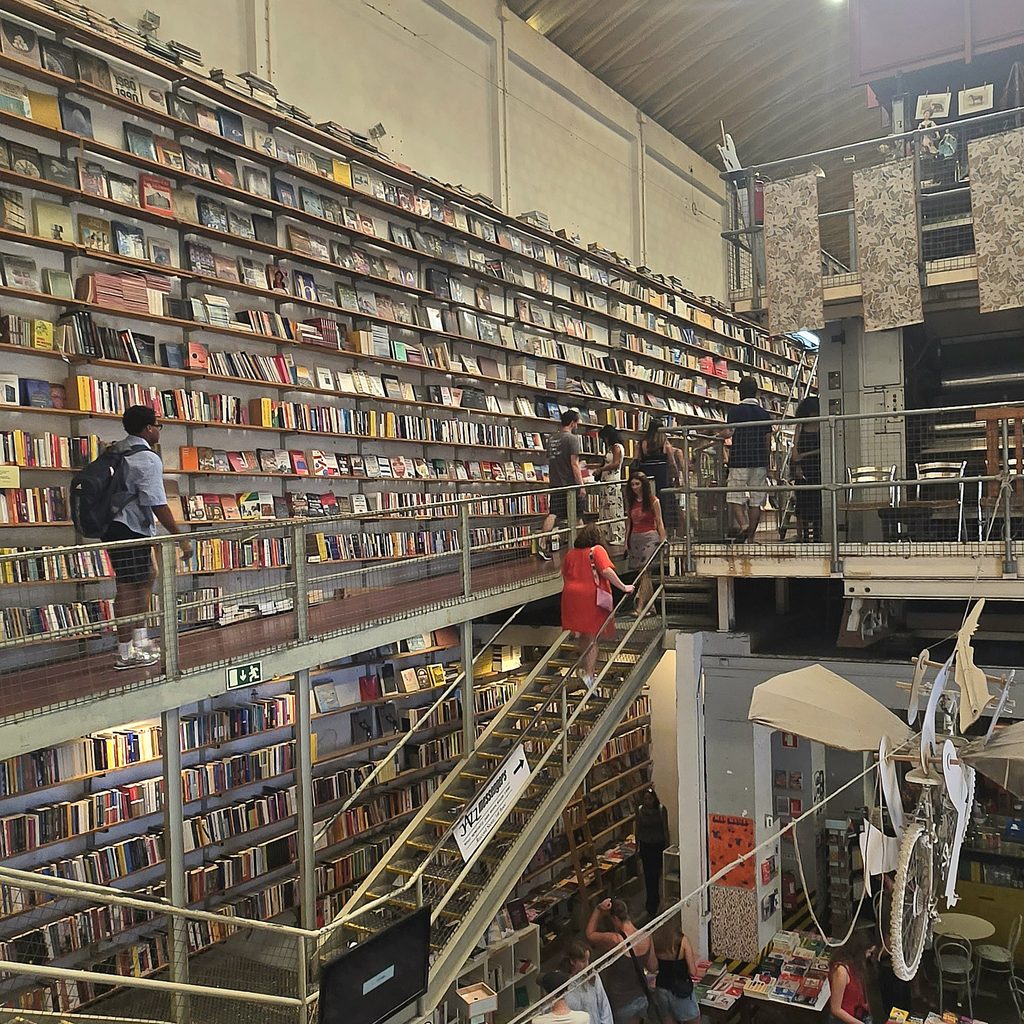
    When Lewis awoke, we hopped on the bus towards LX Factory, a lively space combining food, shopping and art. We started in a café and I had the vegan old reliable: a falafel wrap. We then went to Ler Devagar, a huge bookshop and the reason I wanted to visit LX Factory so much. Any book you could imagine spanned the shop from floor to ceiling in several different languages. I was disappointed by the very few German books, but I walked out with an English version of Kafka’s The Hunger Artist.


    Our next stop was another famous landmark in Lisbon: Christ the King. We used the bus to traverse the bridge, where we then had to trek up a very large hill. We probably wouldn’t have minded this if not for the heat! After replenishing in a nearby bar, we looked at the statue and admired its sheer size. We were planning to go up the lift, until we saw that we’d have to wait an hour. We decided against this and admired the city from the ground, which was still a sight to behold.



    For our tea that night, we wanted to try 26 Vegan Food Project, a renowned vegan restaurant in Lisbon. However, it was absolutely packed when we arrived and we never thought to reserve a table. After a panicked Google search of other vegan-friendly restaurants in the area, we found a Thai restaurant. It wasn’t as good as the fancy meal I expected but it did the trick. Lewis told me that my veganism can be an inconvenience, which I know is true, so I’m grateful he can tolerate it!


    I learnt we were very close to Vegan Nata, a vegan bakery that sells just one thing that I probably don’t need to state. I’d never tried a non-vegan pastel de nata before this so I have no point of reference, but as a custard lover, the vegan nata was delicious. I wish I could make them myself, but I imagine a vegan version is complex. I was very satisfied to end my night with this yummy snack.


    Day 3

    It was Lewis’ idea to visit the zoo on our third day since he knows I like animals. Truthfully, it wasn’t a big priority for me since there are great zoos in our own country, but we had nothing to lose (besides the ticket price).


    The zoo was very large and we probably saw half the animals, if that. One of the zoo’s selling points, is the number of different monkeys they offer, which always interest us to watch; they look so similar to us yet act so different! We also had the chance to see elephants, deer, koalas among dozens of others.


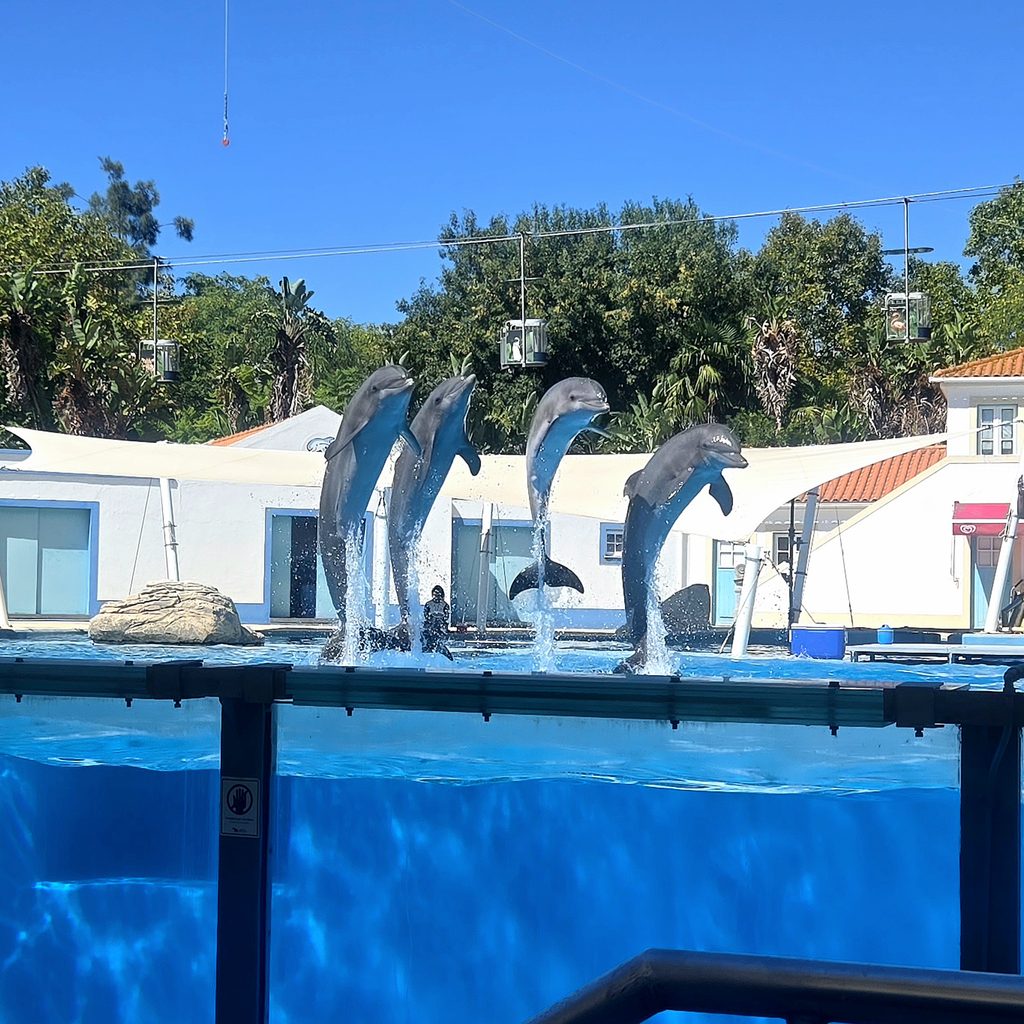
    Lewis informed me there was a dolphin show at the zoo, which I told him we should watch. Neither of us had particularly high expectations, but after half an hour of impressive tricks, we were very pleasantly surprised. It was both of our favourite parts of the day, and Lewis said it brought a tear to his eye.


    We made the wise decision to book a table at the restaurant we wanted to visit the previous night. It proved to be more than worth it because the food was amazing and the atmosphere was lovely. I ordered the vegan bifana, a traditional Portuguese sandwich, for my main, and a pistachio panna cotta for dessert. Even Lewis, who isn’t vegan, said his food was delicious, so it’s got the non-vegan seal of approval!


    Day 4

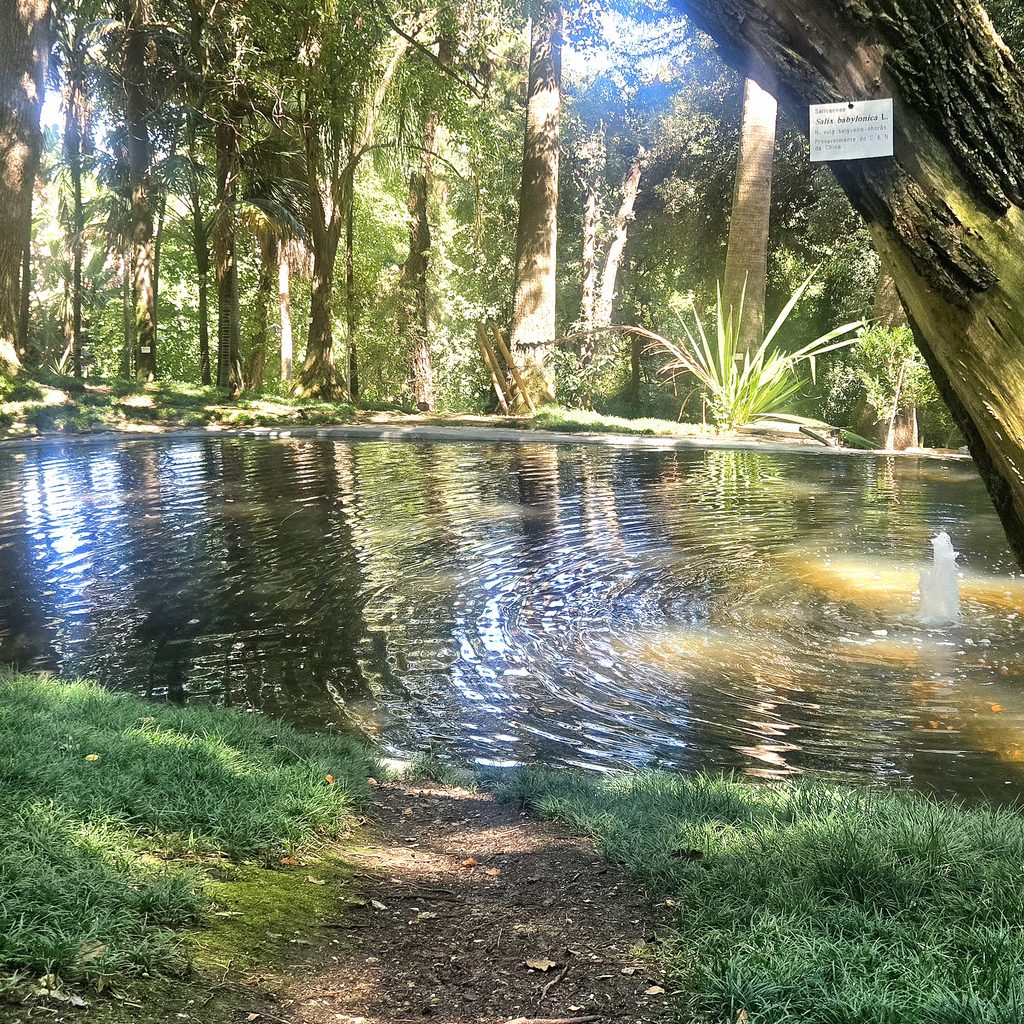
    We’d planned to go to Sintra, the nearby UNESCO World Heritage town, but we woke up too late and decided against it. Instead, we set out for another place I’d been eager to see: Alfama, the oldest part of Lisbon. Before we did, we went to a café called Amun to fuel for the day and I had a vegan poké bowl. On the way to the bus stop, we stumbled across the Botanic Gardens that felt like a true enchanted forest.


    When we got to Alfama, our first stop was the flea market. I’d read great things about it online and it didn’t disappoint; it offered a wide range of products with everything from jewellery to books, to clothes to antiques. Lewis bought me a beautiful bracelet, and I bought myself a mosaic bowl and a white cardigan. Since we were in the second half of our trip, I felt like splashing the cash!


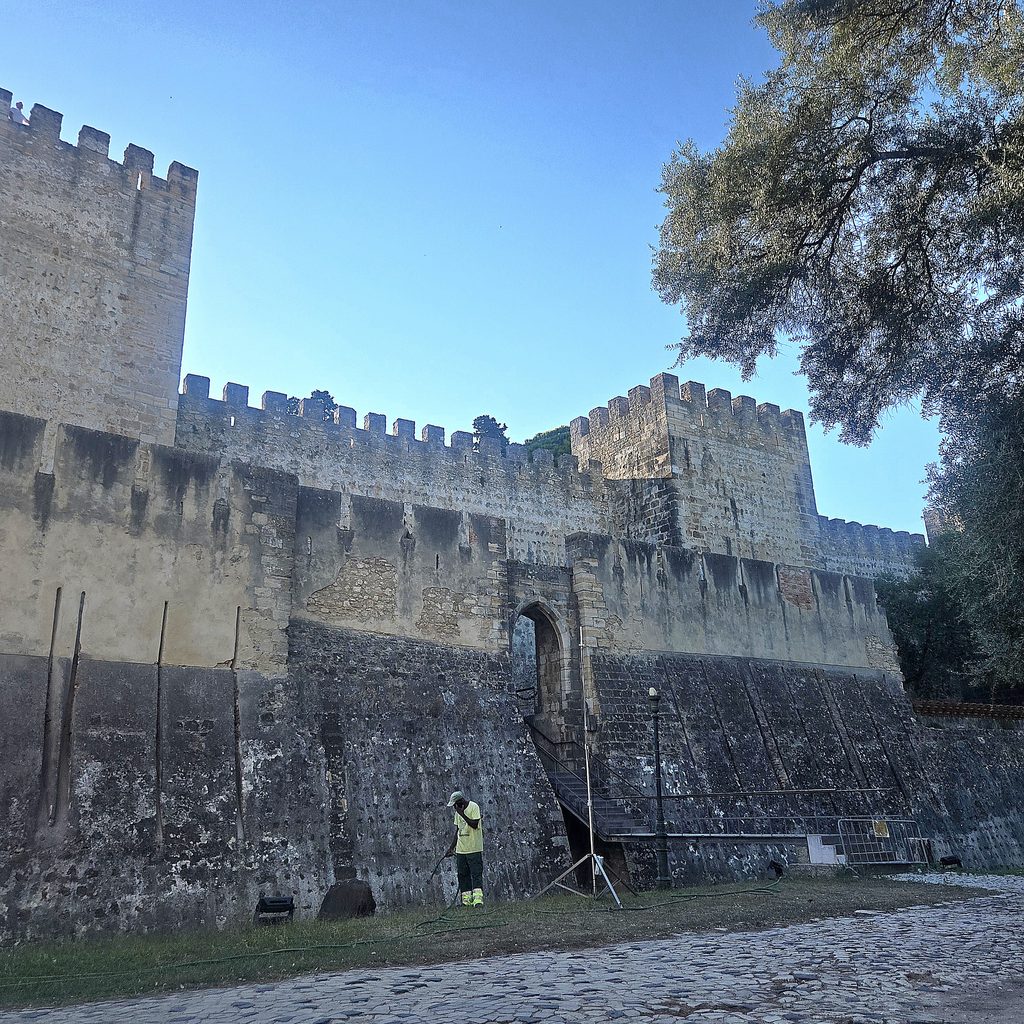
    We visited the nearby Castelo De São Jorge when we were done, which has been occupied by several groups since the 2nd Century. As you’ll know from many other posts of mine, I love stepping into history and learning about the events that occurred right where I’m stood. I find it fascinating.


    Lewis told me he was in the mood for pizza, so I found a pizzeria with vegan options. The one thing I didn’t like about Lisbon, which became especially apparent in Alfama, is the hills and slippery pavements. I spent most of my walking time attached to Lewis in case I fell, and I joked that I wasn’t missing out on my workouts!


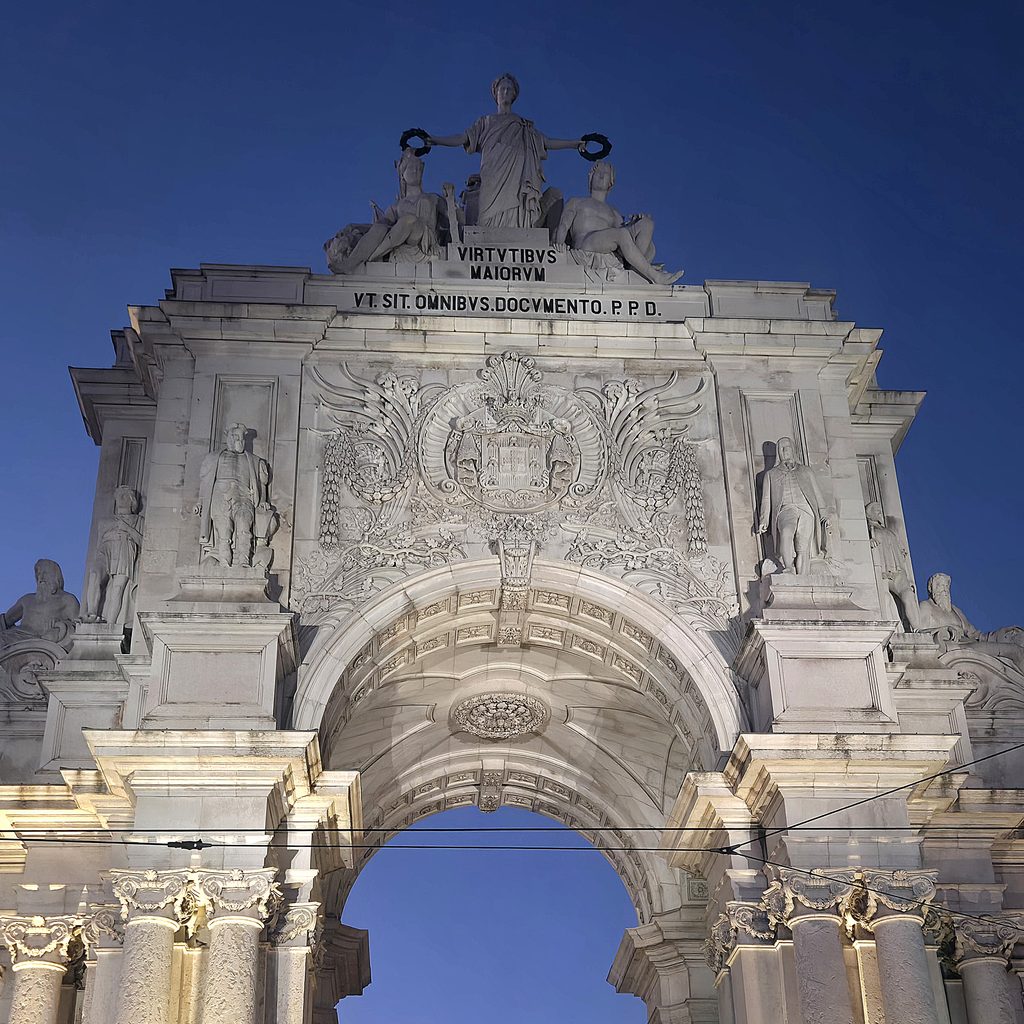
    Although the restaurant had a nice atmosphere, my pizza disappointed me as there was no vegan cheese. I didn’t complain since we’d mostly eaten at vegan restaurants, which are rare feats in themselves, so it was better than nothing. After we finished our meal, we walked to the Arco Triunfal, which was impressive but busy, so we didn’t stay long before returning to the hotel.


    Day 5

    This was when we actually went to Sintra. We didn’t want to deal with the train journey, so we ordered a taxi from the hotel. Our first stop was the only vegan eatery I found in Sintra from my research: Mela Canela. I ordered falafels, which were the nicest falafels I’ve ever had and a great start to the day. I certainly needed it for what was ahead.


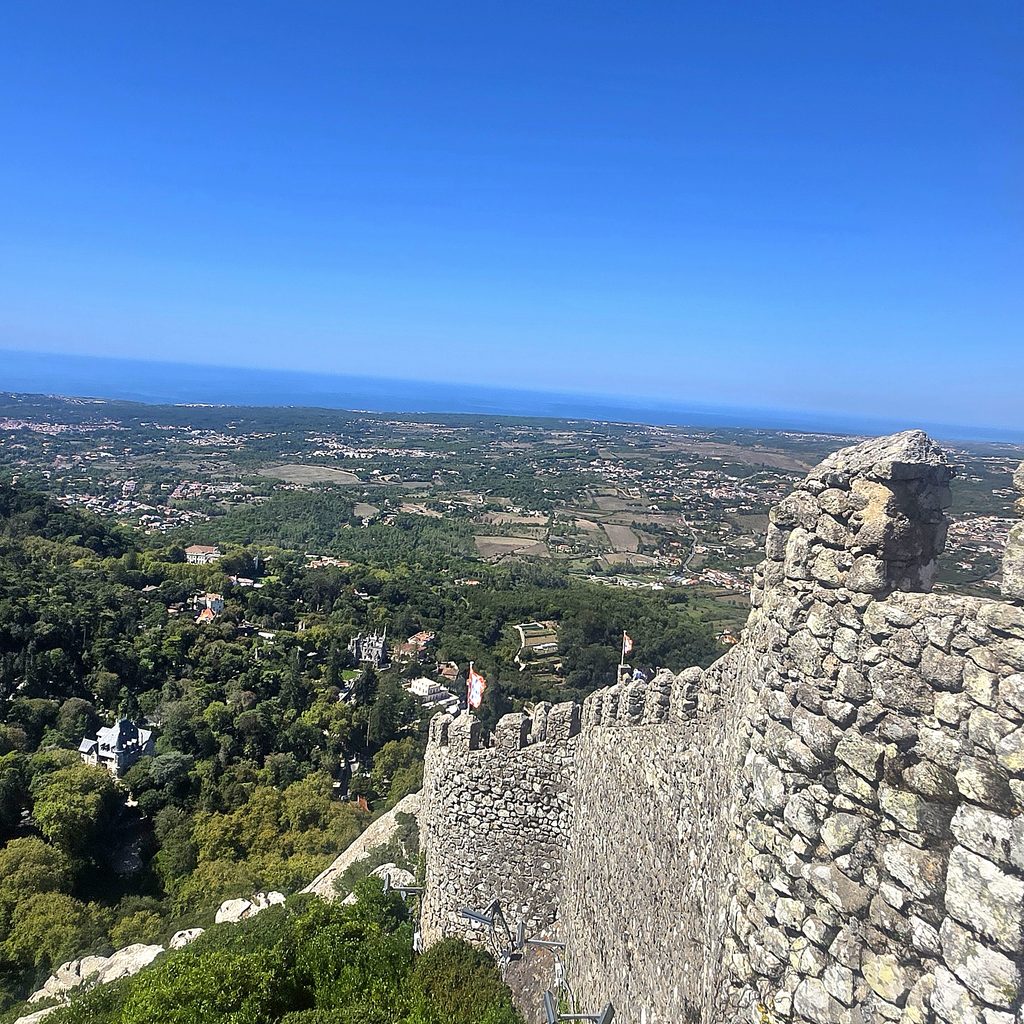
    We got the bus up the hill to Castelo dos Mouros, an 8th Century Medieval fortress. It was another amazing piece of history that I’d highly recommend visiting, although reaching the highest point is no easy task. After climbing hundreds of steps and getting very out of breath, we finally made it to the top. It was definitely worth it because the view of both Sintra and the sea was beautiful from there. If you have plenty of stamina, you should try it too.


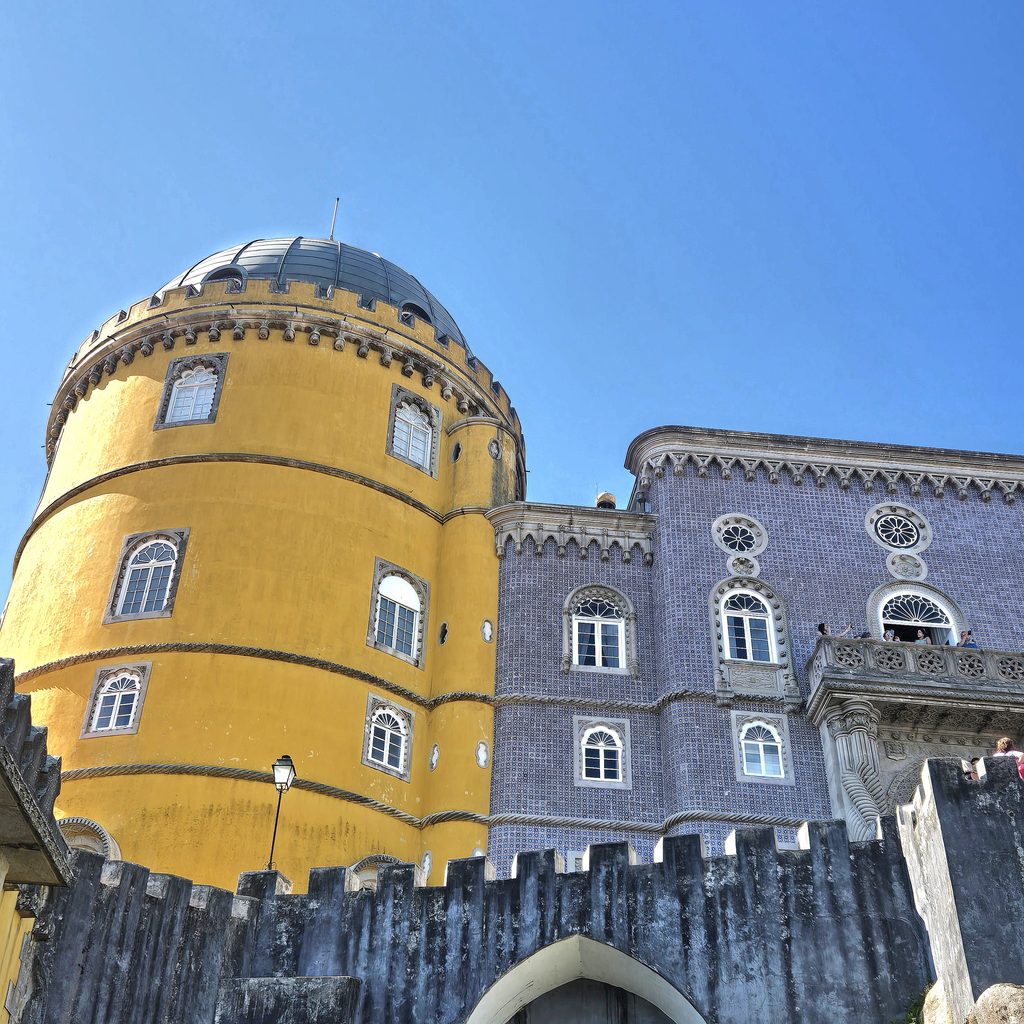
    Just a bit further up the hill from the castle is the place I was most excited for. Palácio de Pena, the 19th Century Romanticist palace, looks straight from a Disney film with its bright architecture and intricate shapes. Inside the palace, we saw artefacts and rooms set up how they once were, with intermittent balcony visits to revel in the fairytale exterior. It made my yellow-loving heart happy, and I’m glad we came despite the hardship getting up.


    Although there are other beautiful sites in Sintra, like the Initiation Well to name one, we were ready to go home after our long expedition. For dinner, we sat outside at a restaurant called Local Santos. I hadn’t had a drink since we’d been in Lisbon, but I thought this was the time to sip some cheeky cocktails. I ordered my favourite, the Moscow mule, as well as a main of tofu paprika and a Snickers for dessert. It wasn’t literally a Snickers – more a deconstructed one – but I still think about how delicious it was.


    We stumbled tipsily to the hotel and had a few more drinks at the rooftop bar. We bumped into another British couple that Lewis had previously met, so we continued to drink with them. Though I enjoyed speaking with some fellow Brits, it led me to drink more than planned and I ended up quite drunk! As I’ve said before, this is why I don’t drink often and it was soon time for bed.


    Day 6

    This was our last full day as our flight was at 6:30am the next morning. We were both very tired from the night before so the day was off to a slow start. I wanted to see Belem Tower as it’s an apparent must-see in Lisbon, so I set off on my own since Lewis was still deep in slumber.


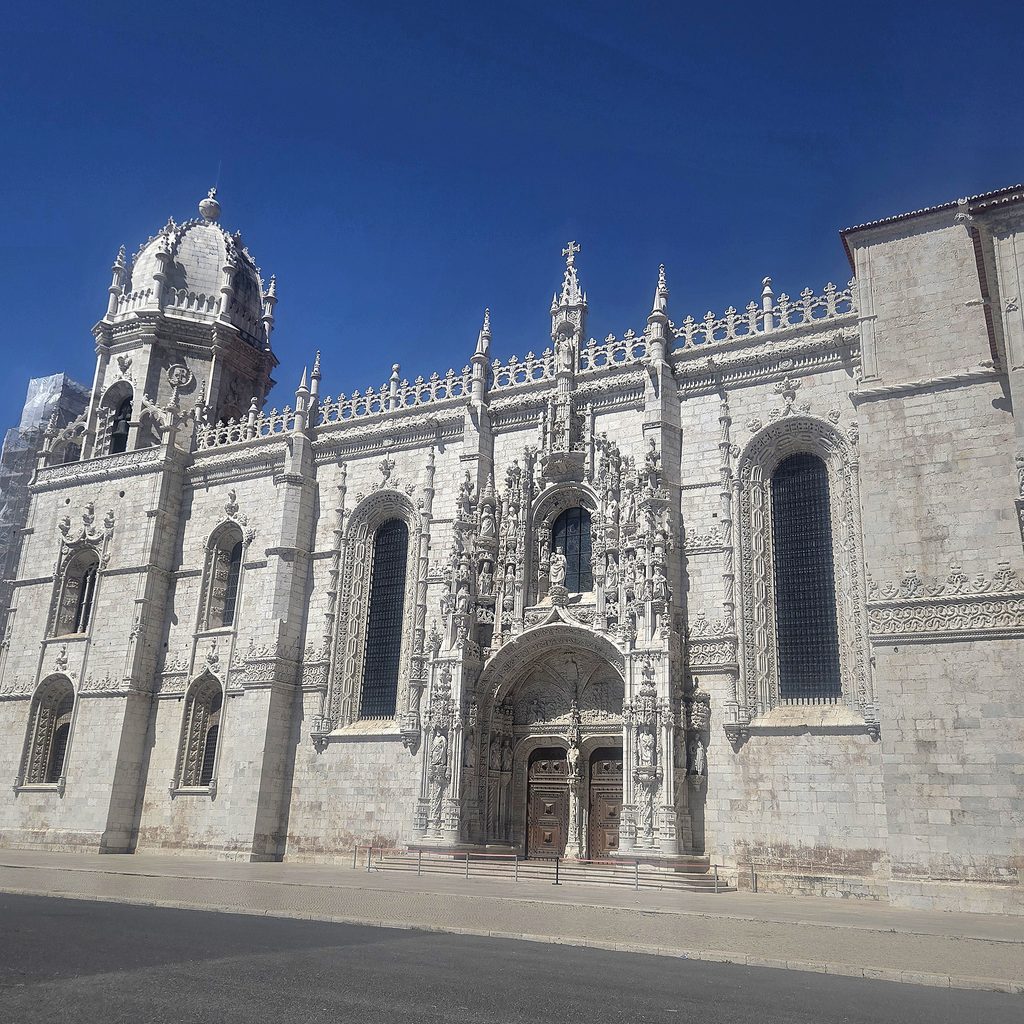
    I got off the metro outside the Jéronimos Monastery because it was close to plenty of shops and restaurants. I didn’t go in the monastery, but the outside was more than enough to impress me with its grandiose gothic architecture. I was hungry at this point, so I found a café called Miolo and ordered myself some brunch. As was the case in Belfast, I was very lucky that Lisbon accommodated vegans well as I could always find something to eat. It’s something I now have to consider on my travels.


    Lewis finally arose and found me, so we sat in a park for a short while. We were both nursing hangovers and we’d chosen a great place for it. Once we’d gained some energy, we looked in all the shops and I was especially drawn to, you guessed it, the jewellery shop. In classic Ela fashion, I bought myself a necklace. Another piece to remember Lisbon by.


    Truthfully, we weren’t in the mood to see Belem Tower. It was also Monday, the one day it isn’t open, so we returned to the hotel. I felt a bit bad that I hadn’t seen one of the most famous sites in Lisbon, but I’d seen so many other lovely things that it was a great trip nevertheless. We spent the afternoon in the pool for the final time, before we went for our ‘last supper’ that Lewis had chosen.


    It was a restaurant called Vegan Junkies that offered all sorts of vegan ‘junk food’. Lewis told me that a large reason he’s put off by veganism is the fact it’s all seemingly ‘healthy food’, which I don’t fully agree with but can understand. He loves his burgers, so he naturally ordered one here, while I ordered the vegan koftas. I really liked it and I finished off with a peanut pie, which was nice but didn’t compare to the Snickers from the night before. If it isn’t obvious from this trip, I’m obsessed with peanut-based desserts!


    We then headed back to the hotel and got an early night for our 4:30am wake-up to fly home.


    Final thoughts

    We’d planned for Lisbon to be a fairly chill holiday, yet we spent most of the time exploring. Nevertheless, we both agreed it was our favourite holiday together. This is probably explained by the constant stress I felt in Paris since it was our first trip away and the fact that Belfast didn’t feel that different. We also agreed that Lisbon is underrated and hardly ever raved about in reference to good holiday destinations in Europe. We’d highly recommend it, especially for couples.


    Lisbon was just the relaxation I needed before my incoming stressful year of postgraduate study. We can’t realistically go away again before next year, so that’ll be getting me through the stress. I’m already thinking of where I want to go next time, so let me know if you have any suggestions!
  • Habits for a more peaceful life

    Habits for a more peaceful life

    The internet is rife with advice on how to manage stress and improve mental health that I’ve spent ample time scouring through. From expert-backed neuroscience to less conventional strategies with witchcraft, there really is something for everyone.

    When I was going through my lowest period of mental health, I would desperately scroll sites promising the answer to anxiety and despair at how they ‘didn’t work’. However, I’d adopted the mindset that successful execution of the steps would miraculously erase everything negative from my life, which isn’t the point. Not only this, but generic advice online isn’t going to work for everyone.


    Very gradually, I’ve started to understand myself and my brain, which has led me to learn what makes my mental health better and worse. From this, I’ve discovered the habits that personally help me to cultivate happiness in my daily life. This post is going share these habits with you, along with the reasons I think they’re useful.

    Please note that, as I said, not everything will work for everyone. These are just what I personally do.

    1. Making tomorrow’s decisions today

    Even if it doesn’t feel like it, every decision we make demands a little bit of energy from us. This means that the more decisions we make, the more mentally exhausted we become. It’s the reason why we start the day full of motivation and willpower, which wanes as the day goes on, and why we might ‘fall back into old habits’ at night.

    In an effort to combat this, I make some of the following day’s decisions the night before. This includes choosing my outfit, planning my day, and meal prepping. It helps me start my day stress-free, and I save plenty of time by not having to decide what to wear! As a result, my brain has enough clarity to make valuable decisions during the day.


    2. Getting things ready for my next task

    Similarly to the previous point, this one relates to motivation and willpower. It’s widely agreed that getting yourself to start a task is harder than actually doing the task. It’s when procrastination creeps in and you start bargaining with yourself that you’ll start in 10 minutes, no — 20, no — an hour, no — tomorrow…


    To make things easier, I set everything up for the task before I’m planning to do it. For example, if I have a blog post to write and I’ve set out to do it when I get home, I’ll open my laptop on the right page with everything I need before I leave the house. It removes the mental friction since all I have to do is sit down and get writing.


    3. Yoga and meditation

    I feel like these get regarded as woo-woo, but hear me out! Though linked to Buddhism and other spiritual practices, yoga and meditation are scientifically proven stress relievers. Both of them heavily rely on mindfulness and awareness of breath, which increase your brain’s happy hormones and make anxious rumination impossible. As well, yoga improves joint mobility and posture, so it’s a win-win for your brain and body.


    I do both yoga and meditation every night as part of my wind-down routine. I find them most useful at night since they build the foundation for a good night’s sleep, but you can do them anytime. You might find they work better for you in the morning or afternoon, so definitely have a play around. If you’re new to them and don’t know where to start, I’d recommend yoga tutorials and guided meditations on Youtube. They don’t have to be long – you can simply start with 10 minutes of each, but you can always increase them as you grow more comfortable.


    4. Physical activity

    A few years ago, I used to hate any physical activity and believed people claiming the mental benefits of sport were lying. I’ve seen the light since then and realised I’d just not tried the right type for me. I first started to see the pleasure in walking and yoga, but I then added pilates, and I’ve even started going to the gym! As a petite girl under 5 foot, I never imagined this for myself, but I’ve genuinely grown to enjoy the routine and seeing myself get stronger.

    I know a lot of people don’t enjoy the gym, so don’t think physical activity is limited to this. There’s so many other types of movement if the gym doesn’t tickle your fancy like tai chi, zumba and swimming. You could even do group classes with a friend if you have a hard time picking up new habits. I promise that when you find something you like, you’ll gain more confidence and peace of mind.


    5. Writing achievements in my journal

    It’s really easy to be critical on yourself and constantly expect yourself to do more. While our fast-paced society plays its part, I think that another large contributor is the way we collectively forget to celebrate small achievements. Chances are that you’ve achieved things in the past few years that you once dreamt of, so is that not an occasion worth celebrating?

    As a reminder to regularly celebrate myself, I write 3 ‘little wins’ at the end of all my journal entries. It forces me to reminisce on what I’ve done and highlight all the tiny things I should be proud of every day. At the end of each month, I also read back the past month’s entries to write another about my biggest achievements. This habit increases my self-esteem and helps me to view my life through a positive lens.


    Although small habits like this won’t single-handedly ‘rescue’ your mental health if you’re struggling, I’ve found that they give a little push. I also believe that having any sort of routine, even if it’s the bare necessities like brushing your teeth and having a shower, are useful to include because they can be easily forgotten during difficult periods. So if you’re currently struggling and doing any from this list feels impossible, don’t beat yourself up for it.


    I hope these habits of mine give you a bit of food for thought, even if you don’t try them yourself. It takes plenty of trial and error to find what works best for you, so I suggest you try a week or so of a new habit and see if you find value. Hopefully, with time, you find ways to decrease stress in your own life.

  • Observations from a new vegan

    Observations from a new vegan

    I’ve been vegan for around five months now and was vegetarian for seven years before. I’d always wanted to be vegan but it was only this year that I finally took the leap. I’m not going to dive into my reasons since that would be a whole other post in itself, but I can whole-heartedly say that I’m content with my new lifestyle and it isn’t as hard as I imagined.

    However, being vegan in a meat-eater’s world illuminated certain points from the very start, which have been challenging to navigate. It can make social events difficult and awkward at times, though I don’t regret my decision at all. Once you get used to said points, they become a natural part of life that are pretty simple to manage. So, I’m writing this post today to give you a snapshot into the things I’ve noticed, which might help if you’re considering veganism yourself.


    1. You become aware of cruelty that you can’t unsee

    I’m getting this point out of the way because it’s the most preachy-sounding, but it’s an inevitable realisation if you’re vegan for ethical reasons. I was vegetarian because I liked animals, but going vegan has opened my eyes to the exploitation in the dairy and egg industries that vegetarianism doesn’t account for. Some vegans don’t like vegetarians because they think it’s an inefficient attempt to minimise cruelty, which I’m beginning to understand.

    With that being said, I don’t act sanctimoniously with neither vegetarians nor meat eaters because I’m new to it myself and I won’t convince people that way. I don’t really bring up my veganism unless I’m asked or it’s relevant (like deciding where to eat), but when I do mention it, I gently inform instead of letting it become an argument.


    2. People comment on it constantly

    This applied even when vegetarian, but it happens far more often now. My veganism means that people think they’re entitled to offer their opinion on what or why I eat how I do. I don’t mind if it’s out of genuine curiosity because, as I just said, I use it to educate people. However, it gets tiring when people are blatantly rude or bring up unjustified arguments against my lifestyle.

    I’ve noticed that in the majority of cases, people feign interest in why I’m vegan until I bring up a valid point, which is when they jump to defend. To me, it implies that they were never open to learning and were assuming I’d say something vague. Because of this, I don’t subscribe to the stereotype that ‘you can spot a vegan from a mile away because they won’t shut up about it’ – it’s more often the meat-eater feeling the need to defend themselves!


    3. There’s a vegan version of everything

    Those who know nothing about veganism seem to think that it’s really hard and I have to buy a special version of everything, but that’s far from true. Bread is almost always vegan, most supermarket cereals are vegan, as well as many biscuits and crisps. Since I didn’t eat meat before, I was already accustomed to meat-free protein sources like chickpeas, lentils and tofu, so this was no struggle.

    For me, the surprising part was how many products are on offer in the free from aisle. There are several different cheeses, yoghurts, chocolates and even ice creams. It’s possible to veganise any recipe, even those that rely on animal products like meringue or French toast, as the world has come a long way. I strongly believe that any non-vegan could go to a supermarket and find vegan products they love.


    4. …but it can be a struggle eating out at certain places

    There have been plenty of stressful times where I’m looking for somewhere to eat, scouring nearby menus to no avail. It makes me feel awkward when I’m with others since I’m seen as the difficult one, although I think the restaurants make it difficult by offering no vegan options! I’m not a picky eater so I’ll often settle if there’s at least one, but even that’s the bare minimum.

    I’m lucky to live in a big city with a plethora of vegan-friendly restaurants. However, I’m aware that it won’t necessarily be this easy if you live elsewhere. I’ve learnt that adapting menu items is necessary at times, like asking for a vegetarian breakfast without egg or butter, but there will almost always be a way to ensure there’s food in your mouth.


    5. It makes me more appreciative of my food

    On the whole, I’ve been pleasantly surprised by the range of vegan options I’ve discovered and how I can still eat with omnivore friends. This fills me with gratitude because I get to eat in a way that’s not only nutritious, but also friendly to the planet and animals. In my vegetarian days, I’d sometimes be hit with thoughts about the cows whose milk I’ve unrightfully taken for my meal, but I now take comfort that nothing was harmed on my plate.

    Some people think veganism is a restrictive way to live because of everything we have to ‘give up’, but I see it as the very opposite. Although there are foods I won’t eat anymore, I encourage myself to experiment with new foods so it’s never boring. I also feel liberated, not restricted, by eating delicious food that aligns with my personal values. And last but not least, I can educate people in the process, all while contributing to demand for vegan food.


    I didn’t write this post to coerce you into veganism, so I hope you don’t take it as such. I’ve tried to remain neutral by exploring both the positive and inconvenient aspects since that is the reality of being vegan today. I’m never going to pretend it’s easy all the time, because it definitely isn’t, but I also don’t believe it’s as hard as many people claim it is. I’m also mindful that the UK is a relatively easy country to be vegan, whereas it would be far more difficult in countries with a smaller vegan population.

    Becoming vegan is one of the best decisions I’ve made this year and I’d never go back. In spite of the difficulties that come with it, I strongly believe the greatest help is reminding myself of my ‘why’. I think this is why some people try veganism and ‘fail’ – they don’t have a strong enough reason. So, if you want to try but you’re struggling, I suggest you get clear and passionate about the reasons you want to adopt an animal-free lifestyle; only then can you thrive on the vegan journey.

  • Aging is a privilege

    Aging is a privilege

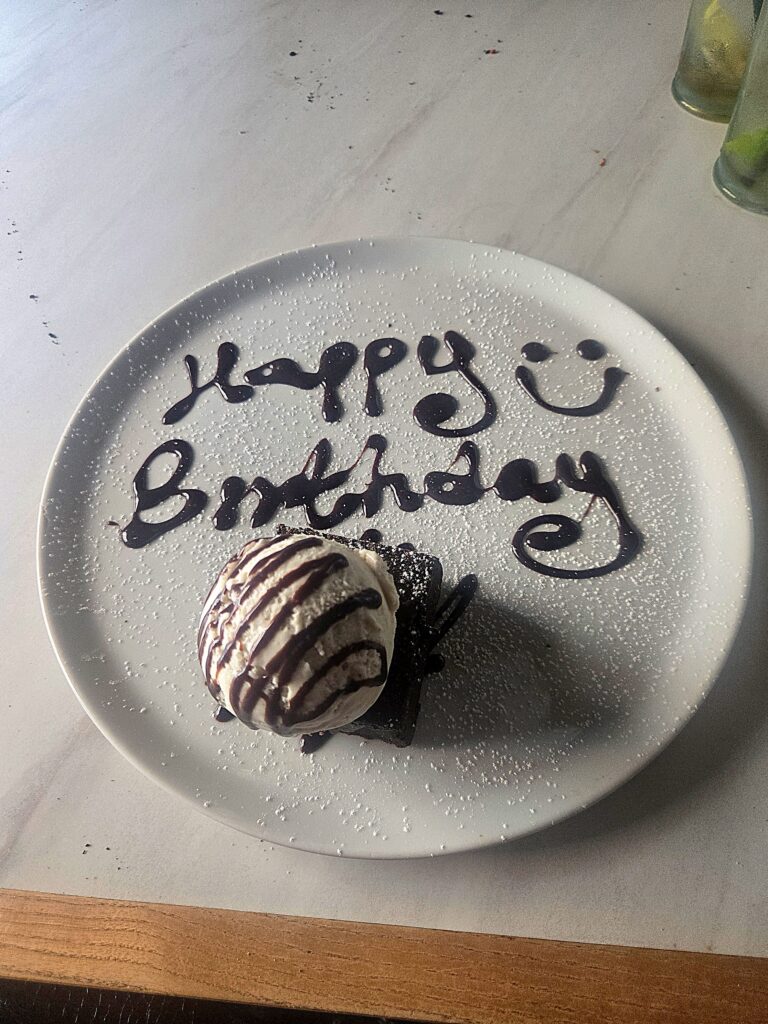
    I turned 22 a couple of weeks ago and this birthday was astoundingly different from my last. The days themselves were different: last year was spent at sidmouth folk festival while this year was a relaxing day in our new home, but I’m mainly referring to my difference in attitude between my last two birthdays.

    I don’t have strict life lessons to share like last year, but I wanted to use this post to voice my experiences and reflections from the past year.

    I was 20 when i started this blog, inspired by my struggle with severe anxiety. In contradiction to what the media tells us, my first year after teenhood was the worst one of my life. I was in therapy for several months and I tried everything to ‘get rid’ of my mental illness. It’ll never be completely gone, I’ve since learnt, but writing this blog has helped me to process my feelings.

    A few months later, just before turning 21, I made a deal to become this new person who doesn’t care what others think because 21 is too old for that. The emphasis on it made me anxious as I didn’t want to be the same person and berate myself for not fulfilling the promise. I also falsely believed that 21 is the age we’re meant to have it all figured out, making me dread the day even more.

    As everyone realises on their birthday, nothing really changed. It was the first birthday I spent without family as I was performing at a folk festival 200 miles from home, which did feel strange at first. However, I think it was better this way since I was distracted from the internal pressure by my music group. I had a very special day, which gave me hope that maybe 21 would be the age I’d stop worrying.

    To simplify it a bit, it wasn’t. while I agree that our reactions aren’t fixed and we can rewire our brains against anxiety, it’s far more complex than saying, “after this day i’m going to stop.” Overcoming anxiety is a very gradual process that takes practice until it becomes a habit. My birthday plan also undermined the fundamental truths that A. anxiety is a natural emotion that is neither inherently good nor bad, and B. stressors in life are inevitable.

    The latter point proved especially true in my 21st year as it was also my final year of uni. I established a new study routine that was far more intensive than I was used to, but I knew I’d gone through too much to be lazy in my final year. However, this led to several meltdowns as I was prioritising studies over everything else in my life. It put me in a terrible frame of mind where I thought that I’m just an anxious person who’s always going to worry.

    Some weeks later, a miracle came along. I met Lewis, my now boyfriend, while buying a kettle in Currys and he truly changed my life for the better. Although I knew I still needed to study, I also made time to be with him. From this, I saw that the world didn’t end if I took breaks and they’d actually make me more productive in the long term. I was emotionally vulnerable with him very early on and he reassured me on my worst days.

    In March this year, a few months into our relationship, Lewis persuaded me to try antidepressants. We’d talked about it early on and he believed that a lot of people don’t need them, but he eventually saw that it might be time for me to try. I’d always been against the idea as I knew I was capable of feeling happy and I didn’t want to ‘cheat’ my way out of anxiety, but I ended up at the GP to give them a go.

    The first few weeks were tough as my body adapted, but the medication made me feel better after that. I still feel anxiety, as humans do, but it doesn’t affect me how it once did. I initially started them as a temporary measure, but honestly, I don’t see myself stopping anytime soon. I’d like to think that I could live without them one day, but for now I’m happy.

    I persevered with the stressful coming months: dissertation and essay deadlines, exams, graduation and moving to Leeds. It was hard but I came out on top: an A in my dissertation, a First-Class degree, and a lovely flat in Leeds with Lewis. It taught me that we often stress over the little things, but it often ends up how it was meant to. The antidepressants likely assisted with this revelation.

    All the excitement of moving meant I literally forgot the imminence of my birthday. This was strange for a girl who’d once count down the weeks before the day, but I’d simply had a mountain of other things to worry about. It caused a slight panic as I hadn’t come up with all the ways I’d make 22 my best year yet, until I questioned why I needed to. I suppose it’s my inner journaller who believes I need to list every single goal and intention, but life doesn’t need to be so rigid.

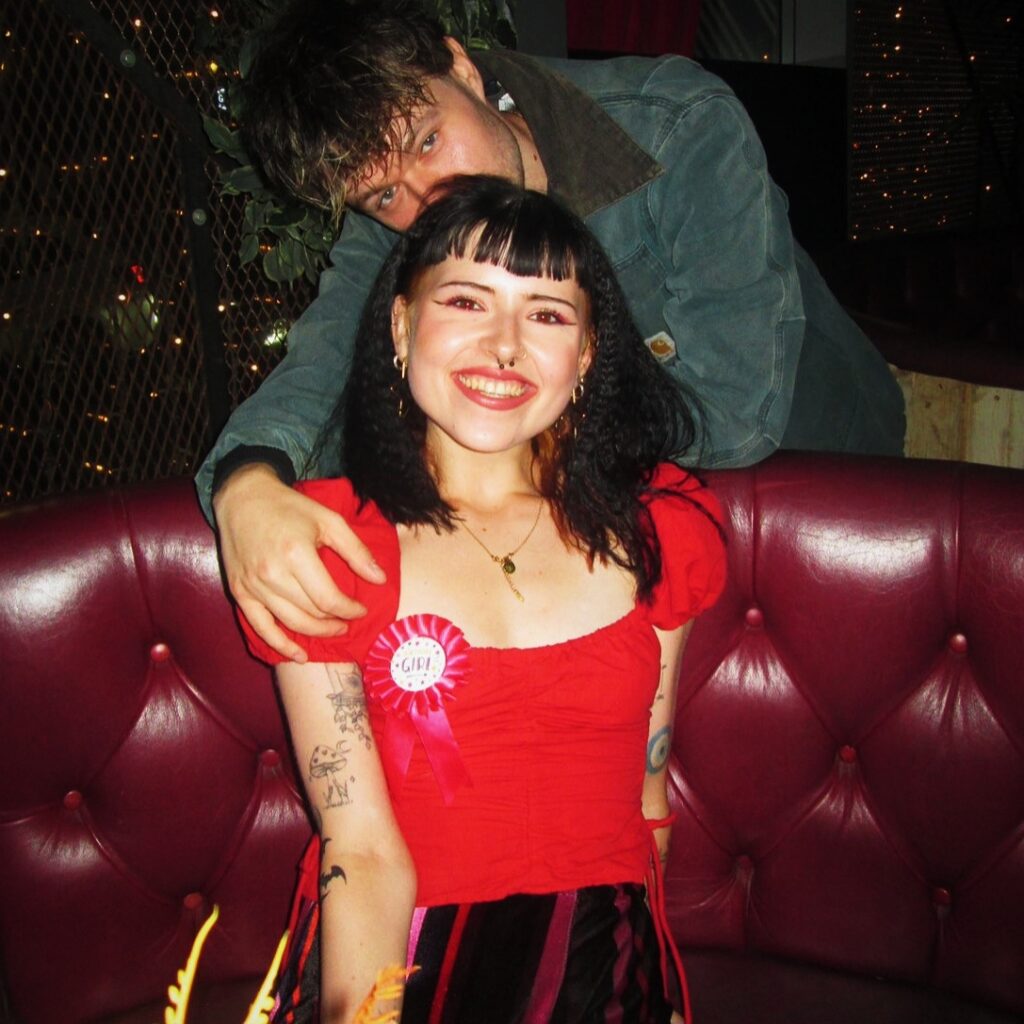
    The weekend before my birthday, we returned to Manchester for a lovely celebration with friends and family, from which I learnt a couple of things. The first is that I’m so loved even from a distance. Being at uni made me feel isolated at times as I’d believe my friends at home have forgotten me, but they turned up to my celebrations and showered me with love. It reminded me that worthwhile connections withstand both time and distance.

    The second, which inspired this post’s name, is that aging is a privilege. A widely-accepted notion in society is that aging is horrible and wrinkles are a kiss from death, but why has this become common thought? I spent twelve days on intensive care before the age of two and I had to relearn how to walk, so even being here to celebrate my birthday is a blessing to me. I’ve recently noticed deepening creases on my face, and I’m sure more will come, but is that such a bad thing? To me, they’re a sign of strength.

    So, I turned 22 without an extensive journaling list of how I’ll improve. I still haven’t quite fulfilled last year’s promise of disregarding what others think, but I’ve noticed I care less with every passing age. Perspective has helped, which is impossible without getting older and gaining new experiences. Deep down, I’m the same person I was a few weeks ago, but I try to improve every day through cherishing my precious life and working towards my goals.

  • Tips for moving to a new city with your partner

    Tips for moving to a new city with your partner

     Following my unforgettable graduation, my partner and I soon had to prepare for our move to Leeds. I’m doing a Master’s here in September but he received a job offer with a July start, so it all happened much quicker than expected. In spite of the stress it entailed, I’m grateful it happened this way as we were initially worrying about him finding a job in time. After a few tiring days, we finally unpacked and we’re now settling into our new home.

    Though our life together is only just beginning, we’ve already noticed some hurdles that accompany not only moving in with a partner, but moving to a new city in the process. It’s certainly been a learning experience for me as I’ve never lived with a partner before, and I struggled with my past living situations. This caused me a bit of anxiety, but I’ve learnt that much of living with someone comes down to knowing the types of people we are, and adapting when necessary.

    This post is going to walk you through five tips I’ve picked up that encompass both moving in with a partner, along with living in a new city.

    1. Be mindful when packing

    Due to a miscommunication, I discovered the night before moving that I’d have to take all my stuff in my car. This meant an extremely stressful morning trying to fit everything in my Polo, highlighting how much stuff I really have! I never thought I had that much as I only brought a small portion of my clothes to uni, but it’s so easy to accumulate random things over an academic year.

    The lesson this taught me, is that you should only try to pack the essentials and think of how to handle the rest. If I’d had more time to work it out, I would have dropped things off at my parents’ house to pick up later, and sold or donated what I didn’t really need. It’s definitely a mistake I won’t repeat if we move again.

    2. Work out systems that work for both of you

    One of the hardest things about moving in with someone, in my opinion, is integrating your own ‘systems’ that complement the other person’s. In my case, I have a consistent bedtime routine that I’ve been emphasising due to my sleep problems, whereas Lewis is a night owl without a set routine. Our flat thankfully has two bedrooms, so we’ve agreed that he doesn’t come in during my routine, but we then chat until I properly go to bed.

    This also applies to household chores, which can be a common source of conflict when cohabiting. This could change when I start uni, but I normally cook tea on days that Lewis works while he does it on days off. I also don’t mind cleaning while he’s at work, though it’ll be evenly shared when I’m at uni all day. I have questioned how this current system fits into my feminist values, but honestly, I’d expect him to do the same if I was working and he wasn’t! I also leave all the ‘manual’ tasks, like taking out the bins, to him, so I’d say it’s an equal partnership.

    3. Sort out admin as soon as possible

    Having to manage energy providers, registering to vote, changing GP and pharmacy, et cetera, is another annoying part about moving somewhere new. That’s why I suggest you do all of this as soon as you can to save yourself some angry letters further down the line. I fortunately had the smart idea of signing up to a new GP before the move, which saved a lot of hassle when we got here.

    I also strongly advise this because more admin will inevitably come: soon-to-be students, for example, will have to officially enrol at university (and prove they’re exempt from council tax!) alongside getting to grips with a foreign academic environment. So, suffice to say, do all the boring bits from the get-go.

    4. Get to know the new area

    I’d only been to Leeds a handful of times before we moved, the first of which was last year. Moving house is hard in any case, but going from a tiny place like Lancaster to a major city I didn’t know? It was a lot. It was an even bigger shock for Lewis, who’d lived in Lancaster his entire life, compared to me since I at least come from a lively town. The easiest way to combat this, is by getting to know your area and locating your closest supermarket, post office, bus stop: the important places. That way, the area won’t feel so strange.

    Since I have a fair bit of free time before term starts, I’ve luckily had the time to go on plenty of walks, which have made me better acquainted with our surroundings. As well, I already recognised important places in Leeds on our first city centre visit, making me realise that it isn’t as huge and intimidating as I thought; it’s only because it’s new!

    5. Personalise your home

    Moving into a new home feels so eerie because your things might all be there, but your brain can’t yet comprehend that, “You live here now. This is your home.” When the walls and shelves are empty, it can feel like living in a hotel, if not a ghost house! That’s why it’s essential to adorn the space with tiny bits of joy, which is down to personal taste. It could include candles, pictures, or even memories from your old home – like a gift from a family member. Anything that makes the home feel like yours.

    Though I’m not great at keeping them alive, I love keeping plants in my room; they give me a sense of purpose and they’re alleged to increase mental clarity. I also have affirmations on my wall, such as “we live on a floating rock – don’t overthink it,” to uplift me when times are tough. And, as I mentioned in my article about whimsiness, I’m a chronic collector of trinkets, which are naturally dotted around the place! While it still hasn’t quite set in that this is our home, it’s little things like this that help.

    As I said at the start, we’ve only just moved in with each other, so I’m sure we’ll learn plenty more along the way. However, there’s a reason these tips here are the ones that arose so quickly – they’re crucial! I also foresee a whole other skillset to learn when I start uni since I haven’t yet settled into what our routines will properly look like.

    Either way, I hope you found some value in my observations. If you’re going to be moving in with your partner for the first time, be aware that it’s a change from living in separate homes. At the same time, be assured by the knowledge that any strong relationship can withstand the hurdles.

  • What I’ve learnt at uni besides French

    What I’ve learnt at uni besides French

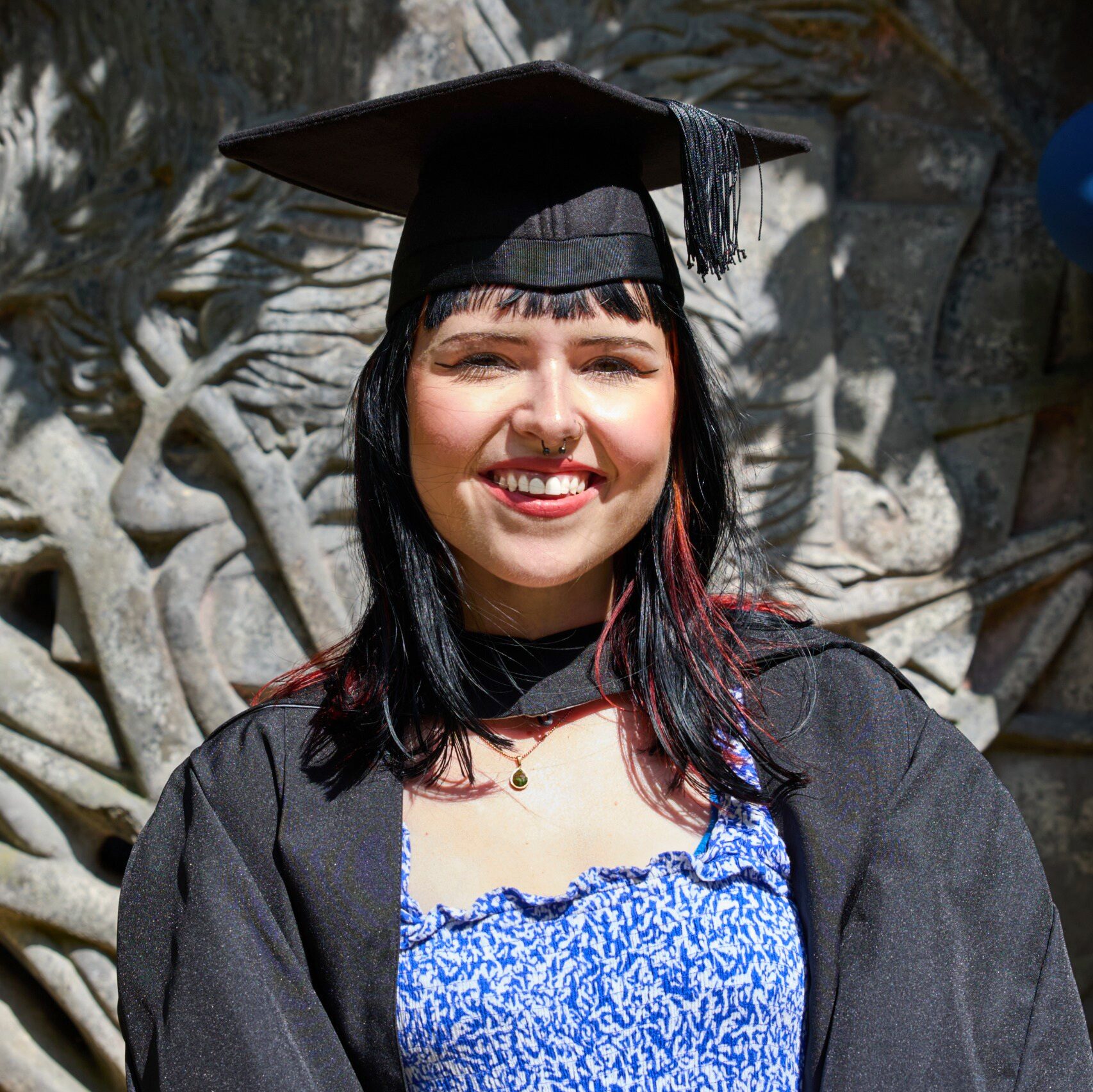
     Something big happened last week… I finally graduated from Lancaster University with a BA in French Studies! You’ll already know about my time here if you’ve read my blog for a while, but to say the absolute least: it wasn’t easy and I’m very proud of myself. I’m especially proud of the passion I developed for my degree in this past year, leading me down interdisciplinary rabbit holes that enhanced my general knowledge.

    While my French level has undeniably improved thanks to my degree, I’ve learnt other things that go far deeper than the academics associated with university. More specifically, I’ve ‘grown into myself’ and learnt more about who I am, which was probably helped by living away from home and meeting like-minded people.

    As I reflected on my time as an undergrad, I compiled this list of five things I’ve learnt at uni beyond French. It might help you to see that going to university is so much more than simply studying and getting a degree, as that couldn’t be further from the truth!

    1. Household chores (’how to survive’)

    This is slightly embarrassing, but I’d never cooked, done a food shop, washed clothes, or really any home-keeping tasks before starting uni. This led to utter cluelessness when I tried them, because how the hell do you turn on a washing machine? Admittedly, I don’t think it’s very common to be oblivious to these at age 18, but it was a huge learning curve for me.

    Most of my first year was spent eating ready meals or freezer food because nobody ever taught me how to cook, but a lot has changed since then. I was recently complaining to myself that “I just make the same things all the time”, but I rationalised it by thinking of my unnutritious past, and I make everything from scratch now. I never would have pictured that in first year, so a win is a win in my eyes.

    If you feel like this, you’ll get the hang of it with time. And even if you repeat meals like me, it isn’t bad to stick to what you know; you’ll get really good at them!

    2. Time management

    There’s a classic stereotype about uni students that we’re off uni more than we’re in, and we pay an extortionate amount of money to drink and laze around. This isn’t completely false, but many people underestimate the amount of work we’re expected to do independently. This means having to balance our studies with a social life, societies (for some), hobbies and self-care.

    It’s essential to make sure that students complete seminar prep, submit coursework on time, and for language students, practise their languages, behind the scenes of contact hours. One method I’ve used, is going to uni for the entire day to complete all my studying, ensuring that evenings and weekends are reserved for leisure. This won’t work for everyone due to other responsibilities or personal preference, so you need to find the best system for you.

    3. How to be alone

    In my very first week of uni, I spent most nights partying but the days felt strangely quiet. I didn’t have any family or dog to speak to, which taught me that uni can be solitary at times. Academic pressure means that a lot of people are busy working, and you’re separated from friends and family back home. While going to events and speaking to others is easy in theory, spending lone hours in your room is inevitable, which can invoke feelings of sadness or homesickness.

    This used to be utter torture for me as I’d think I was a ‘loser’ for spending time alone. However, this stems from the false idea that solitude is inherently bad. After my year abroad, where I spent several months alone, I learnt to enjoy my own company. Although I value time with friends, I now spend much more time alone and I’m happy with it!

    4. Critical thinking/critical reading

    Critical thinking and critical reading are acquired through undertaking academic research, but they’re valuable for many areas of life. I recently watched a video about the reading crisis in Germany, where a high proportion of German children can technically read, but they’re unable to deduce information from the text. This means they don’t have the skill to critically look at a piece of work, making me grateful to have learnt this at university.

    In the case of my dissertation, I used these skills to discern why I supported or opposed scholars’ opinions, which some students shy away from; they assume that academic papers are automatically ‘correct’. In reality, the highest marks go to students willing to critique a scholar’s point, because it shows the ability to critically examine texts instead of blindly accepting them as true. In my everyday life, I use it to understand the books I read for fun, as well as biased newspaper articles. Honestly, it’s a skill that everyone should learn.

    5. Openness + cultural understanding

    Since students come to university from a range of different countries, religions and upbringings, you will certainly meet people with contrasting life experiences from you. You may not be used to this if you grew up in a homogenous place, but university is a melting pot of cultures that you’ll learn to love.

    I had a lot of Indian friends in first year, who taught me new things about the country’s culture. I also used to go to German society, where I witnessed the genuine beer-loving way of the Germans! In the past four years, I’ve learnt about various different cultures through the people I’ve met, which I look back on with appreciation. I have no doubt that coming to university has made me more open and curious to learning about others.

    If you’ve read this and you still believe that uni students are lazy, try it yourself; you’ll learn all sorts along the way!

  • Returning to uni after a break: what nobody tells you

    Returning to uni after a break: what nobody tells you

    When I returned to uni after my year abroad, I knew it’d be strange in any case; I hadn’t seen my cohort for over a year and we’d all been on our own adventures. However, my circumstances had been unconventional since I’d forfeited the second half of my placement for mental health reasons. As a result, I was even more nervous about my return and I was scared of *gasp* what everyone would think.

    This was strengthened by lack of contact from my department beyond the admin for my extenuating circumstances. I started receiving emails about module selection shortly before final year, and I remember thinking, “It’s really like it never happened.” To be honest, I don’t know would have been ideal at the time. I didn’t like how I was being treated as if my horrible time didn’t matter, but being singled out as the ‘mental one’ would have been equally unpleasant.

    All in all, it was a very weird feeling to be back and it wasn’t how I’d expected. I know I’m far from the first person to take a break from studies due to mental health, but I feel as though it isn’t widely discussed. So, I’m writing this post to destigmatise the act of trying again, as well as to inform those who may be preparing for a similar situation.

    1. Everything looks strangely the same

    When I moved back to Lancaster, I hadn’t been for over a year. I really liked it when I first lived there, but I worried that it’d feel foreign since I was so used to my hometown. Although a few shops had changed since I was last there, my memory was instantly reignited as soon as I re-entered, reminding me of why I first fell in love with it. This reassured me on my quest to tackle final year.

    However, this also came with a flipside. It’s difficult to put into words, but I felt a bit annoyed that everything had stayed the same while my life had turned upside down. I guess I felt that I needed justification for my suffering, but it couldn’t be found in Lancaster. Really, it was nestled deep within me, but I hadn’t yet faced it as I habitually told myself that “I shouldn’t be struggling”. After honestly confronting my experience, I learnt that I needed to be kinder to myself after what I’d been through.

    2. People assume you’re ‘over it’ now

    Whilst in Geneva, I spoke to a few friends from my cohort and they were incredibly supportive. They reassured me that it was normal to feel uncomfortable and that I’d be back home very soon. Though it wasn’t much consolation back then, I felt grateful to speak to others on years abroad as it reminded me that I wasn’t alone.

    Upon my return, nobody mentioned the problems I’d told them about; they probably assumed it was a phase. In reality, the experience left a mark on me that took months to confront, and it’s an ongoing process. I’m not blaming these people at all because they’re still my good friends and they aren’t mind-readers. Rather, my point is that people will only know you’re struggling if you tell them.

    3. It’s a big deal to nobody except you

    As I mentioned in the introduction, I was treated as if nothing had happened. Every seminar in the first week of classes started with “Let’s go around the room and talk about our years abroad”, which made me shudder. When my teachers asked about Geneva, I’d respond with “c’était la pire expérience de ma vie entière” (it was the worst experience of my entire life), which was met with laughter. I didn’t know the correct response; I didn’t want to lie and pretend it was great, nor did I want to treat my teacher and classmates as therapists.

    It was blatantly obvious that the admin team hadn’t told my teachers about what had happened. This frankly annoyed me since there seemed to be a generally accepted notion that years abroad are universally amazing and nobody ever struggles. I wasn’t expecting to be wrapped in cotton wool when I arrived on campus, but I just wish the subject was treated a little more sensitively. I’m sure I won’t be the last person to go through such a thing and I don’t want anyone else to feel like I did.

    4. You feel like you’ve done it wrong

    When I decided against completing my year abroad, I felt ashamed as I’d always assumed my degree would be unremarkably straightforward. I was always revered for my intelligence at school and I’d never struggled like this before (besides the usual teenage angst), so there was no apparent reason for me facing issues. These factors contributed to my feeling of ‘having done it all wrong’.

    In the conversations with teachers from point three, the reactions I faced intensified my internalised ‘wrongness’ because I’d question whether I was simply meant to endure another five months of anguish to say that I’d done it. Even now, I do wonder if anyone else suffered like me, but instead succumbed to the pressure to complete their placements. However, the answers to these questions won’t change my bad experience.

    5. It doesn’t mean you’re less capable than anyone else

    My mental health problems led me to think that “maybe I’m not cracked out for uni after all”. Despite my high grades at school and college, I knew it wasn’t impossible for a degree to be too much; there are plenty of famously smart university dropouts. I believed that I just wasn’t made for a ‘stressful’ life and I should find a menial job that I could forget about come 5pm.

    With this being said, I don’t give up easily. I reminded myself that I’d been through too much for my degree to give up, so I worked harder than I ever have in my academic career. I’ll admit that some of it was fuelled by my anxious perfectionism, but I see it as a great example of when anxiety becomes a superpower. The other part was fuelled by the passion for my degree that only truly awoke this year. After eight months of French study, essay writing and endless dissertation research, I recently learnt that I got an A in my dissertation and an overall First Class degree! So, I’m no less capable than anyone else — maybe my resilience made me more capable.

    I’m being 100% honest when I say that me from two years ago would be awestruck at what I’ve achieved this year. Pre-Geneva me would spend days lying in bed on my phone, essay deadlines looming over my head, until the last-minute stress would push me to action. I achieved a 2:1 with this tactic, but I’ve since learnt that this limited my potential.

    If you’re reading this and you’ve gone through a similar experience, reintegrating into ‘real life’  will be scary. I’ve found that the antidote to this, is doing the scary thing and learning that you can get through it. And don’t fall victim to reducing yourself to your worst moment(s); I learnt the hard way that it invokes self-doubt and ignorance of your many strengths. You can do it, and I’ll be here cheering you on.

  • The languages I’d learn next

    The languages I’d learn next

    As is clear from my blog’s name, I’m a language fanatic. I’m currently an upper-intermediate speaker of French and German, and I got an A in A-Level Spanish four years ago, so I was good at it. It’s still in my brain, but it’s rusty…

    If you read my post on the evolution of my relationship with languages, you’ll know that I once dreamt of learning as many languages as possible, but my outlook has changed since then. This was a result of my newly founded passion for the cultural modules of my course. With this being said, very seldom will you meet a linguist who won’t list off all the languages they’d learn if time was no object. I’ve thought about it a lot over the years, so I know exactly which ones I’d learn if I had nine lives.

    This isn’t to say that I definitely won’t learn any of these; in fact, I’d love to learn more languages in my lifetime. However, I’d wait until I’ve finished university to ensure a strong enough level of those I already know. So, here are the five languages that appeal to me the most, along with my reasons.

    1. Dutch

    Ever since I went to Amsterdam in 2024, I fell in love with the Dutch language and its people. I’m conscious that Amsterdam isn’t representative of the entire country, so I’d love to return and pay respect by learning their language. Not only that, but Dutch is also similar to German, so I think my existing knowledge would help the process. Because of this, I’d say that Dutch is my most probable next step in my language acquisition.

    Whenever I tell people that I want to learn Dutch, I see eyes roll and I’m told, “everyone in The Netherlands speaks English anyway”. I normally respond with A. there are other countries beyond The Netherlands that speak Dutch, and B. I don’t inherently learn languages to speak to non-Anglophones. For me, the appeal of language learning comes from the fact it’s fun; I find it fascinating to explore novel systems of words and grammar rules, accompanied by the culture and history of countries that use them.

    2. Turkish

    My dad is Turkish yet he never taught it to me as a child, which I’ve never heard the end of. It doesn’t cause communication problems between us, but I do feel disappointed while visiting family and we resort to communicating through hand gestures. It’s a complicated feeling as I’m proud to proclaim my Turkish background, though I get embarrassed when I’m asked if I can speak the language.

    Turkish sounds lovely in my ears and I’d love to be able to say “yes, I’m half-Turkish, and yes, I can speak the language!”. However, it isn’t related to any of my current languages, so I know it wouldn’t be easy. Although I don’t have much cultural interest in Türkiye right now, my heritage would be a large motivator, so I’m not opposed to taking on the challenge one day.

    3. Swedish

    I think that Swedish sounds very cool, and its Germanic roots mean that my German knowledge would support me. I haven’t been to Sweden (yet), but I’m very curious about Scandinavia’s way of life, so it’s certainly on my list. I’m also obsessed with Moomins, written by the Finnish-Swede writer Tove Jansson; I already have one cultural interest. I imagine that watching the cartoons and reading the books would help at beginner’s level, but Jansson also wrote books for adults, so her work would be a great foundation.

    4. Portuguese

    I’ve listened to some absolutely beautiful Portuguese music that sparked my interest in the language. I’m visiting Portugal for the first time in September since I’ve heard it’s an amazing holiday destination and it’s particularly good for vegans. While planning my trip, I recently listened to a Portuguese podcast on Spotify, and I was fascinated by the fact that I could understand most of it. I know this isn’t a huge surprise due to my Spanish knowledge, but it makes me think that I’m already part of the way there thanks to A-Level Spanish.

    5. Japanese

    I’ll admit that this one is more a pipe dream than anything, but I love a lot of Japanese media. I’ve adored Nintendo, especially Animal Crossing, since I was about five, and I greatly enjoy Studio Ghibli films. This fact makes my heart whisper “Japanese wouldn’t be so hard because you already like a lot of pop culture from Japan”. However, Japanese is notoriously difficult for Anglophones because of its combination of writing systems, inverted word order and generally perplexing grammar. That’s why it remains a pipe dream.

    While brains can hold a lot of information, I sadly don’t think I’d be able to learn and maintain all of these. Or, I could, but I wouldn’t have space for much else in my brain. I also believe that many people underestimate the difficulty of learning languages even if the language is ‘easy’. For example, French and Spanish are similar in their lexis and grammar, but the pronunciation differs and it’s easy to get tripped up by false friends. If, say, I wanted to master Dutch, Italian, Portuguese, Swedish, Norwegian AND Danish, languages related to those I already know, I’d still encounter problems. Not to mention that I’d have trouble maintaining them all at a strong level.

    Writing this article has reaffirmed that as nice as it’d be to learn dozens of languages, I’d personally prefer to have a strong and realistic level in a few than spread myself thin by trying to learn them all. Although this isn’t everyone’s opinion, it’s the way I see it, so I’ll stick to my favourites for now.

  • Mistakes from my healing journey

    Mistakes from my healing journey

    Anyone who’s been through a tough mental battle knows that recovering from it is hard. Personally, I’ve read heaps of self-help books, seen two therapists, and done plenty of research on mental health in an attempt to heal from my own experience. After almost two years, I can say that I’m finally seeing the light at the end of the tunnel, though I wouldn’t say I’ve ‘completed’ my healing journey; it’s a lifelong process.

    My own journey was the result of a horrific semester in Geneva that left me with severe anxiety, leading me to take time out of my studies. Although every healing journey is unique with its own timeline, I often wondered why it was taking so long for me to recover from a compulsory part of my course. Everyone seems to go on about how amazing years abroad are, so what was I missing?

    Over time, I’ve learnt that certain thinking patterns, such as the one expressed in the last two sentences, were keeping me stuck. I wrongly believed that if I simply learnt all there is to know about mental health, then I’d be cured, among many other reductive outlooks. Because of this, I wanted to share them to avoid you from running into the same problems. So, this post will walk you through the five biggest mistakes I made.

    1. A critical inner voice

    A tendency I had for a long time, is that I’d over-romanticise my life before my crisis. I had this narrative that “I was perfectly fine before my year abroad and now I’m stuck with anxiety that won’t ever leave”. This led me to pathologise my very normal emotions and resent the person I’ve become since my year abroad. I was ignoring the fact that I wasn’t ‘perfectly fine’ before; I still had anxiety, as humans do, and I was passive in not being particularly happy.

    I spoke to my therapist about this and she told me that I can’t really view it as a comparison because I’m never going to be who I was before. In fact, we change constantly and who I was yesterday isn’t who I’ll be tomorrow. It opened my eyes to the reality that many qualities of my current self are better than of my past self (NB: ‘better’ is a somewhat subjective evaluation). Since Geneva, for example, I’ve tried to take charge of my own happiness and consider the impact of certain actions and self-talk on my mental health. I never did this before, so I’d call that growth.

    I wholeheartedly believe that if I’d realised the power of my inner voice, I wouldn’t have suffered for so long. However, in accordance with this point, I don’t beat myself up for my imperfections. Rather, I view it optimistically and assume that it happened this way to teach me important life lessons.

    2. Having self-awareness, but not using it

    I recently finished a book called How to talk to yourself by Ro Mitchell, where she discusses everything to do with positive self-talk. One of the book’s earliest chapters is all about noticing the negative self-talk as this is essential to softening it. This is why I think that self-awareness is the key to meaningful progress, in both mental health and everyday life. It allows you to calmly observe your thoughts, understand your behaviour, accept your entire self, and everything in between. Acquiring self-awareness is a very gradual process, which was largely helped by my therapy sessions, reading, and habitual meditation.

    It’s important to note that self-awareness can be a slippery slope. I fell into the trap of being aware, perhaps even *hyper-*aware, of what to do to cultivate more positivity, but I didn’t change. It’s a bit like someone who constantly talks about their dream of starting a business, all the research and planning they’ve done, yet they haven’t taken a tangible step. It’s no secret that the unknown can be scary, which is why people do this, but self-awareness is only useful if it leads to action.

    3. Having unrealistic expectations

    The over-romanticisation of my past life extended to over-romanticising my future life ‘when I’d overcome my anxiety and everything would be fine’. I’d fantasise about some distant future where my amygdala would cease to exist and I wouldn’t worry about anything, but that just isn’t how we’re wired. My old therapist once said to me, “if you were on a desert island, you’d still find reason to overthink”, because the brain is constantly scanning for threats. It doesn’t mean that anything is wrong; the brain is literally fulfilling its purpose.

    This led me to the importance of having realistic expectations. Instead of envisioning a life with zero anxiety, I envision one where blips may come, but I can move past them. The quote ‘progress isn’t linear’ rings especially true here; a bad day on a healing journey doesn’t negate the steps you’ve already taken. I’ve also found that after a difficult period, even the mundane feels like a blessing, so I remind myself to be grateful about the little things. This lifts my mood in spite of the difficulties I face.

    4. Letting spirals ruin my day

    While we’re on the topic, realistic expectations have a positive knock-on effect inasmuch as they help you to overcome spirals more easily. Getting caught in a spiral used to ruin my mood for the day as I’d feel like I’d failed and “I’d try again tomorrow”. I lived in total ignorance of the reality that even those without mental illnesses feel anxious sometimes.

    My new outlook means I understand that spirals and anxiety are part of the human experience, but they’re only temporary. I now find it much easier to rationalise my thoughts, which reduces the anxiety naturally. It would be a lie to say that I never get stuck in spirals, but I allow myself to feel my emotions and remind myself that they, too, shall pass. Buddhists love the quote ‘accept what is’, which I also love because it grounds me, and reminds me to focus only on what I can control.

    5. Forgetting everything I enjoy

    At the peak of my crisis, I was very pessimistic about almost everything. I wouldn’t describe it as depression per se, but I allowed my anxiety to override any sliver of joy because “what does it matter? I have a mental illness so I’m always going to worry”. While not exactly wrong, the mistake lay in my belief that anxious people can’t simply live in the face of the unknown.

    It reminds me of one of my favourite Matt Haig quotes, from his book Notes on a nervous planet:

    “Uncertainty is the cause of anxiety, but also a solution. While everything is uncertain, everything is hope. Everything is ambiguous. Everything is possible. We exist on a spinning coin. We cannot predict how it will land but we can enjoy the shine as it spins.”

    One of the most useful ways I embody this, when everything is possible yet ambiguous, is by (re)connecting with my passions. This explains why I suffered so much in Geneva — I was disconnected from everything I enjoyed. For me, my biggest fundamental passion is acquiring knowledge. This means that when I’m worrying, I bring myself back by imagining everything I want to learn! It can be anything, so long as it provides comfort, as it’ll remind you of what’s truly worthy of mental space.

    Haig is right that everything is uncertain and ambiguous, but that also means that anything can happen. My anxiety tries to tell me that everything is bad, but it can’t see into the future. Yes, some things might not go to plan, but there’s an equal chance that they will. If I do choose the wrong move at times, I know I’m capable of withstanding change and adapting to the result. That’s how I got through my year abroad.

    If you’re going through a difficult time, then everything I’ve written applies to you too. You might not do the ‘right’ thing 100% of the time, but you’re only human. Don’t repeat my mistake of constantly self-berating for feeling things or ‘messing up’ sometimes. You are capable of withstanding change and overcoming your struggles.

  • 4 vegan days in Belfast

    4 vegan days in Belfast

    When Lewis told me he’d booked a week of annual leave from work, my brain went straight to booking another holiday. I should technically be revising for my last few exams, but everyone needs a break, right? We were after somewhere less intense than Paris as that trip really took it out of us, and neither of us had been to Northern Ireland, so we thought “Why not Belfast?” I’ve also become vegan recently and there seemed to be a lot of vegan options according to Google.

    So, here’s what we did on our mini break.

    Day 1

    Straight off the plane at Belfast International, we hopped on a bus to Grand Central Station. Our mutual first impression as we walked through the city, was that it feels fairly similar to home… but not quite. They have many of the same shops, namely Spar and Tesco, and conversations from passers-by were intelligible. I liked that because it was comforting, yet still a new experience.

    We were hungry after travelling, so our first stop was somewhere to eat. We discovered a place online called Umi Falafel, which was very close to our accommodation with plenty of vegan options. I had a plant-based shawarma, which was delicious, and Lewis had a halloumi wrap. We both love Mediterranean food, so it fit the bill for our first meal.

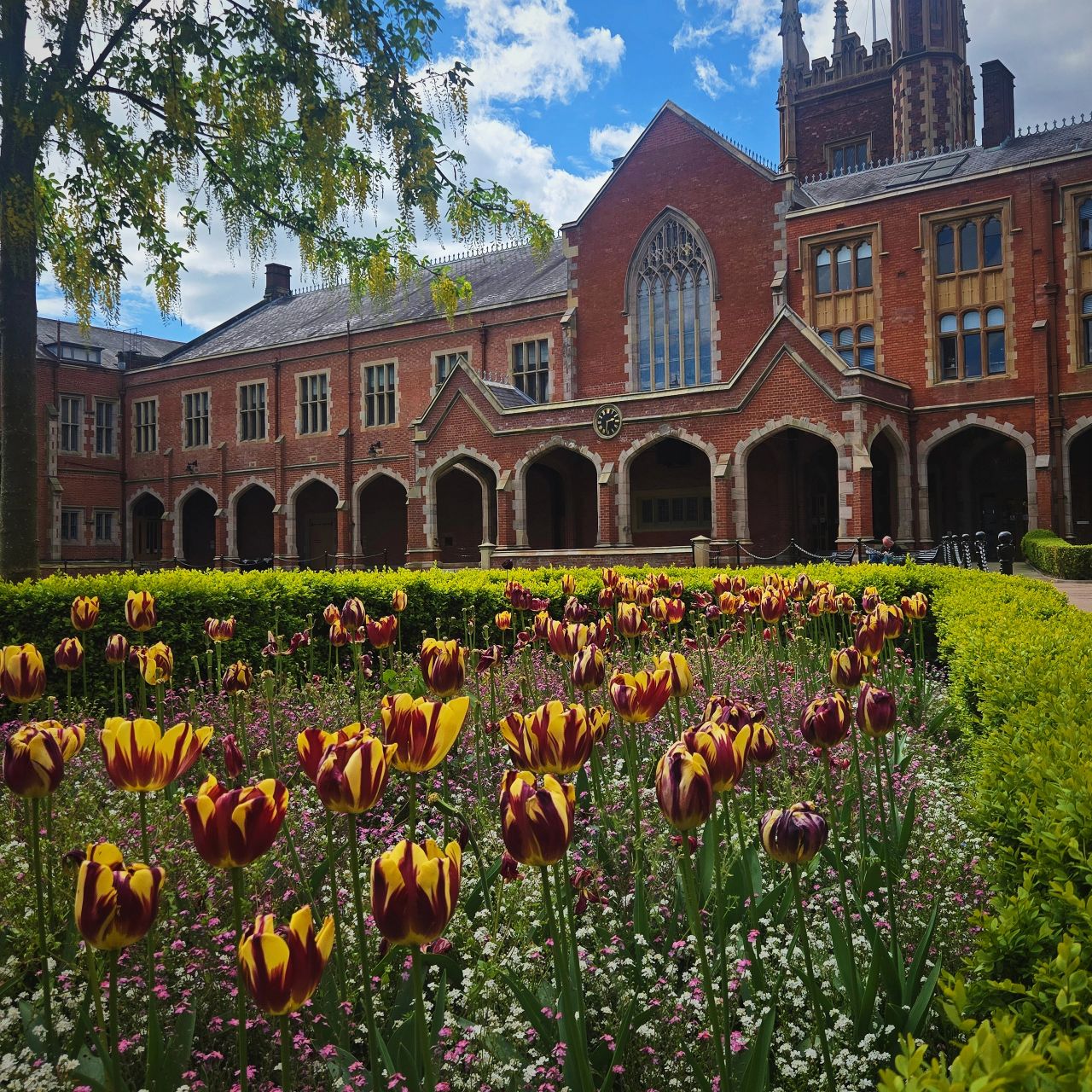
    With time to kill before we could check into our AirBnB, we looked at the Queen’s University campus. As it was founded over 100 years before my own university, the architecture was beautiful with plenty of character. I hope Lancaster takes no offence!

    After we checked in to our AirBnB and spent time settling in, we went back out to explore the Botanic Gardens. I was most intrigued by the rose garden, which unfortunately wasn’t in bloom at the time of year, but it was still a lovely place to wander. We then walked along the river and absorbed the city’s atmosphere. We agreed that it was reminiscent of the Lancaster Canal as it happened to be quiet. Because of that, it honestly didn’t feel much like a capital city!

    Peckish again, we looked for somewhere to have tea. We settled on Maggie May’s Café on Botanic Avenue, which was surprisingly good for vegans. I had vegan taco chips, which I’d never tried before. I felt grateful that the city seemed so accommodating for vegans as it definitely wouldn’t have been this easy in Paris. I do wonder how I’ll manage if I go to France again but that can be a problem for future me.

    We went back to our accommodation and watched TV until we fell asleep. I often struggle to sleep, but I found it easy after such a long day.

    Day 2

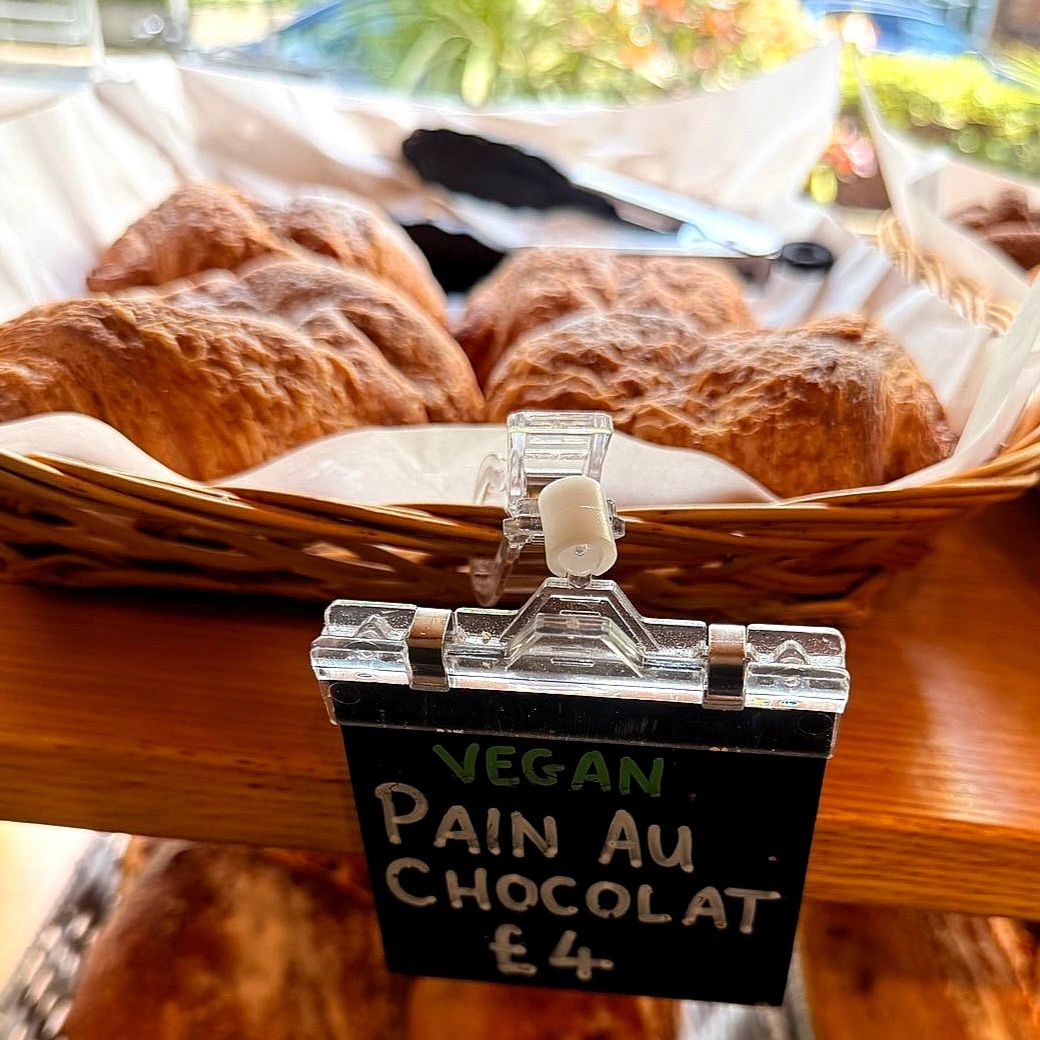
    I was eager to try a bakery I’d found online that was renowned for its vegan options called Bread & Banjo. There was a fair selection of treats but I eventually settled on the vegan pain au chocolat. It was delicious and made me wonder why I didn’t go vegan sooner (because this isn’t available everywhere, but hopefully with time…).

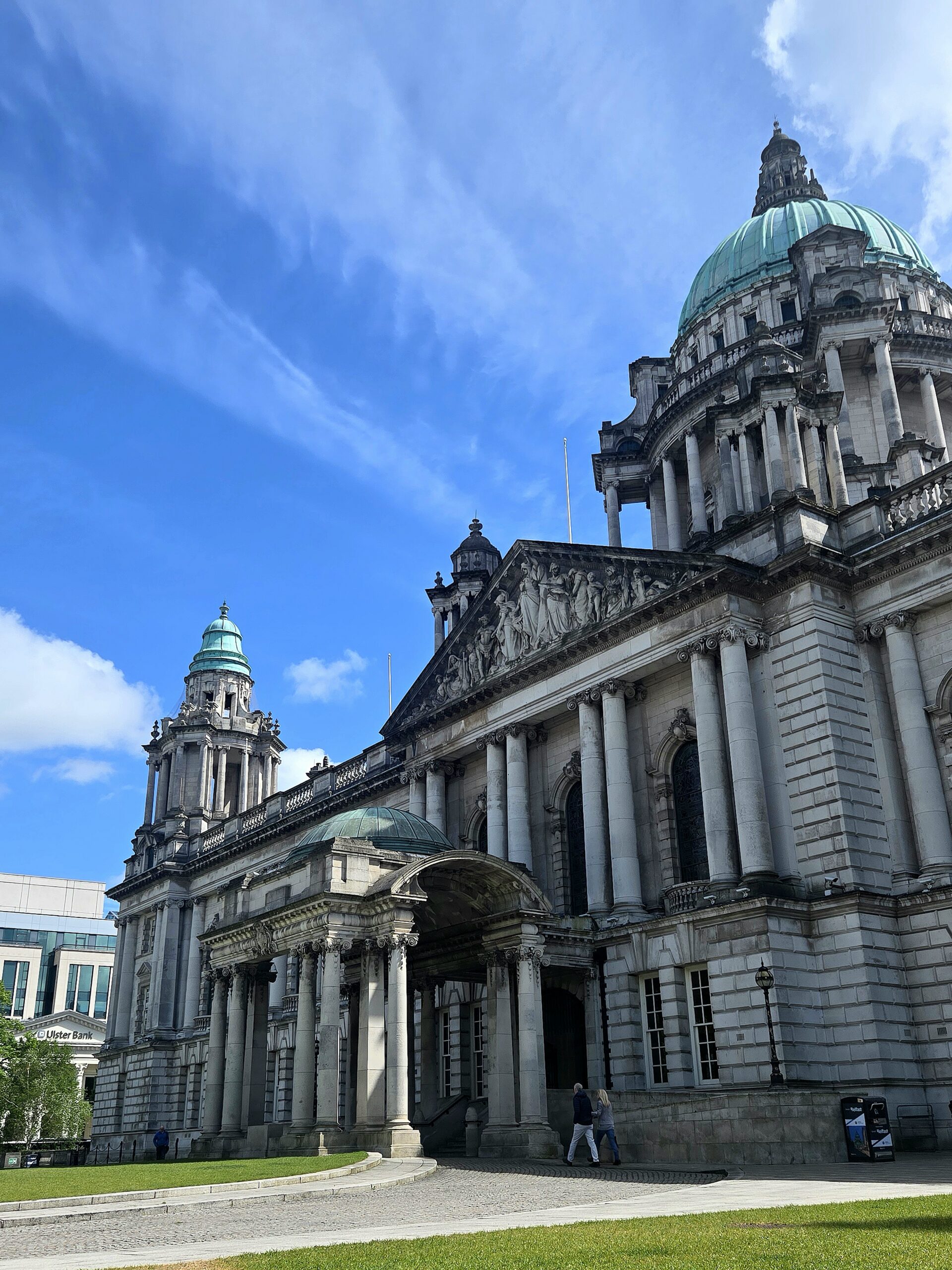
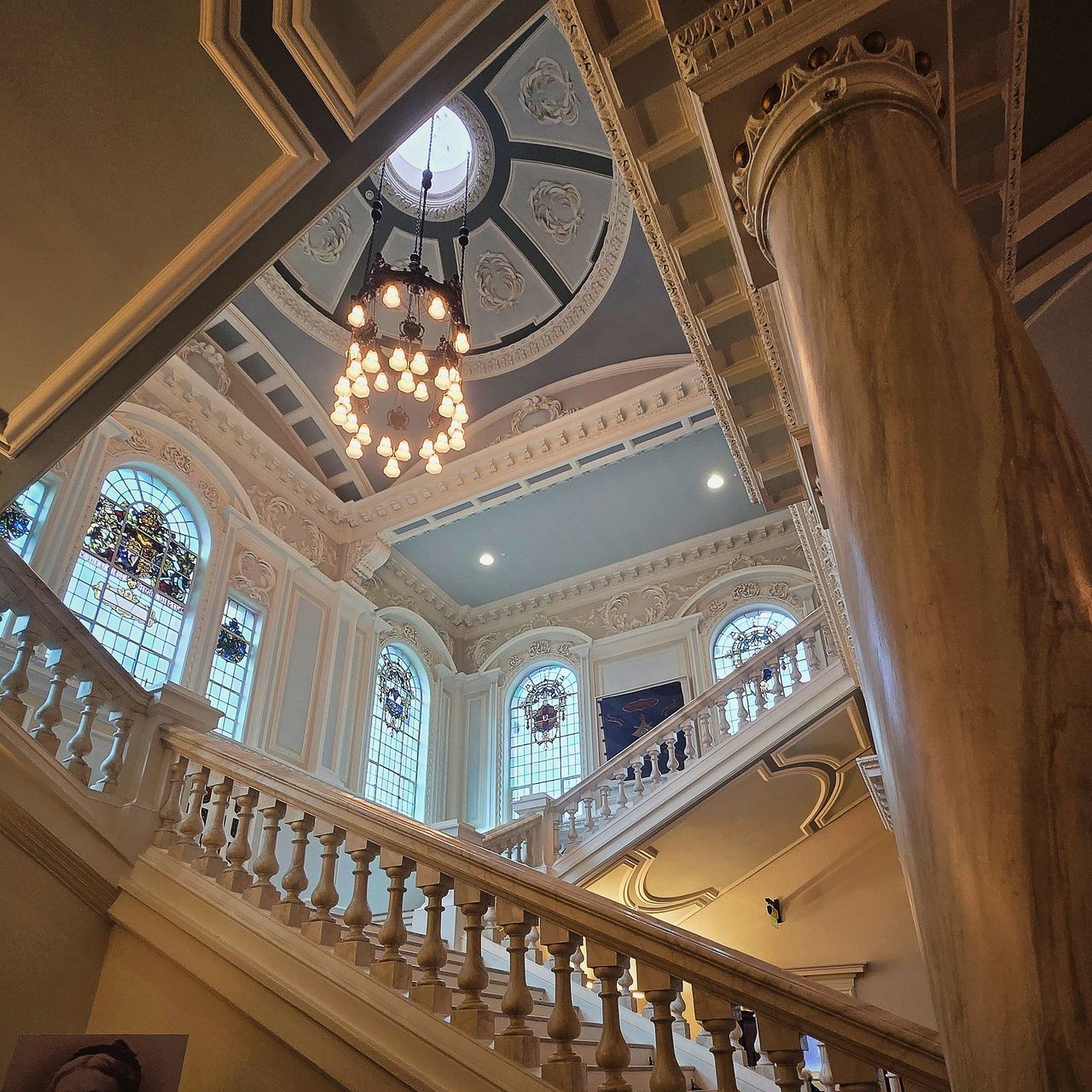
    We then hopped on a bus towards the Titanic Museum. It was two stops away and we happened to get off the first stop right outside the City Hall. The exterior looked amazing, so we thought that we may as well look inside while we were there. It provided interesting historical facts, of which I was most fascinated by the Irish Suffragettes. There was also a VR headset and a game that showed various landmarks in Belfast. Something for everyone.

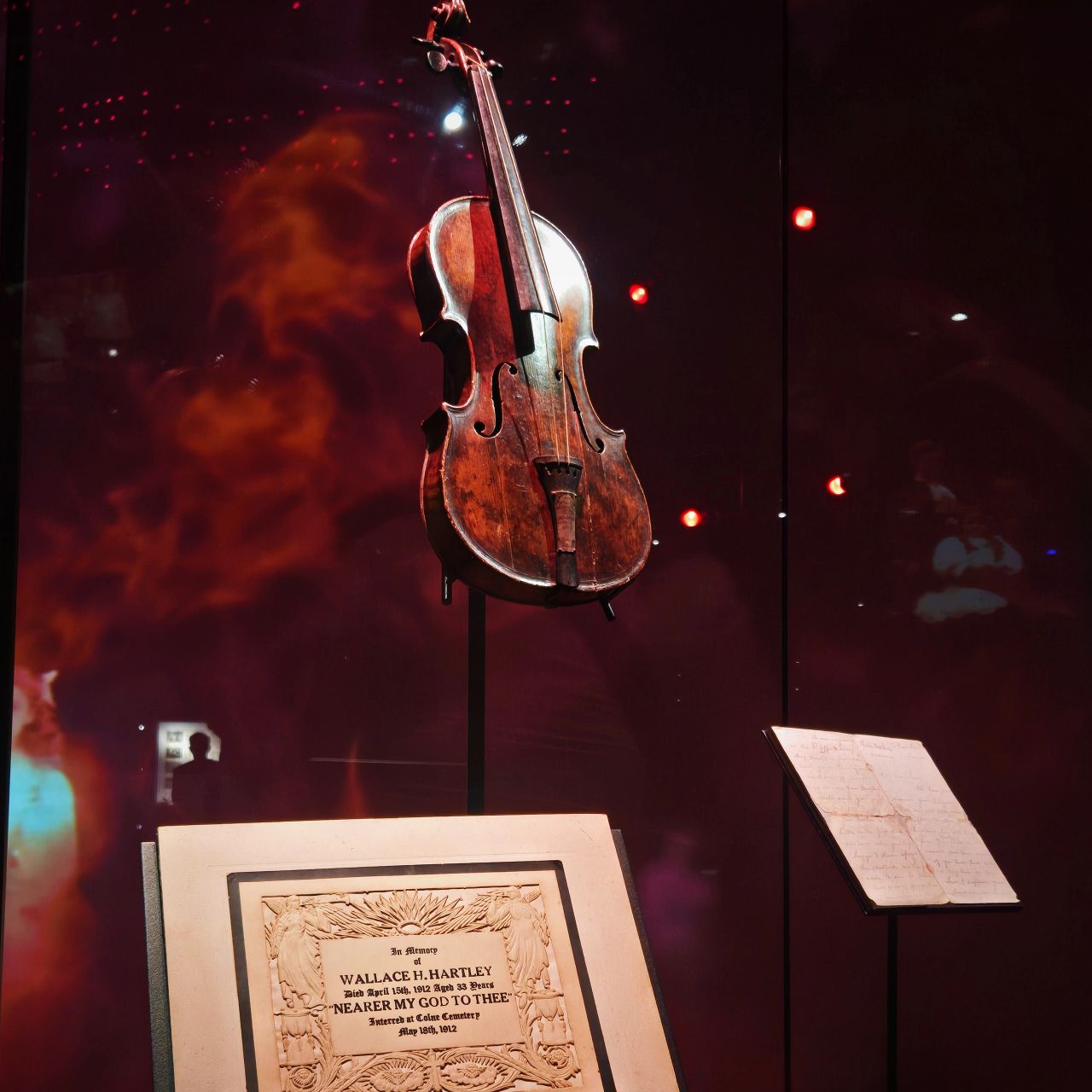
    It was finally time for the musem. The first thing you notice, is that it’s absolutely huge. I didn’t know a lot about the Titanic before my visit, but the museum talks you through everything from the building process, political climate, people on the ship, to, my favourite part, the recovered remains. I was in awe that they managed to recover a violin despite it missing two strings and its bridge. Even if you aren’t interested in ships, I’d highly recommend a visit.

    We would also have gone to the dock to see S.S. Nomadic, the last White Star Line ship in the world, but the weather wasn’t great. In fact, one minute it was nice and sunny and the next pouring with rain! Because of this, we instead went to the nearby shopping centre and had Nando’s for dinner. Our priorities were very much in check.

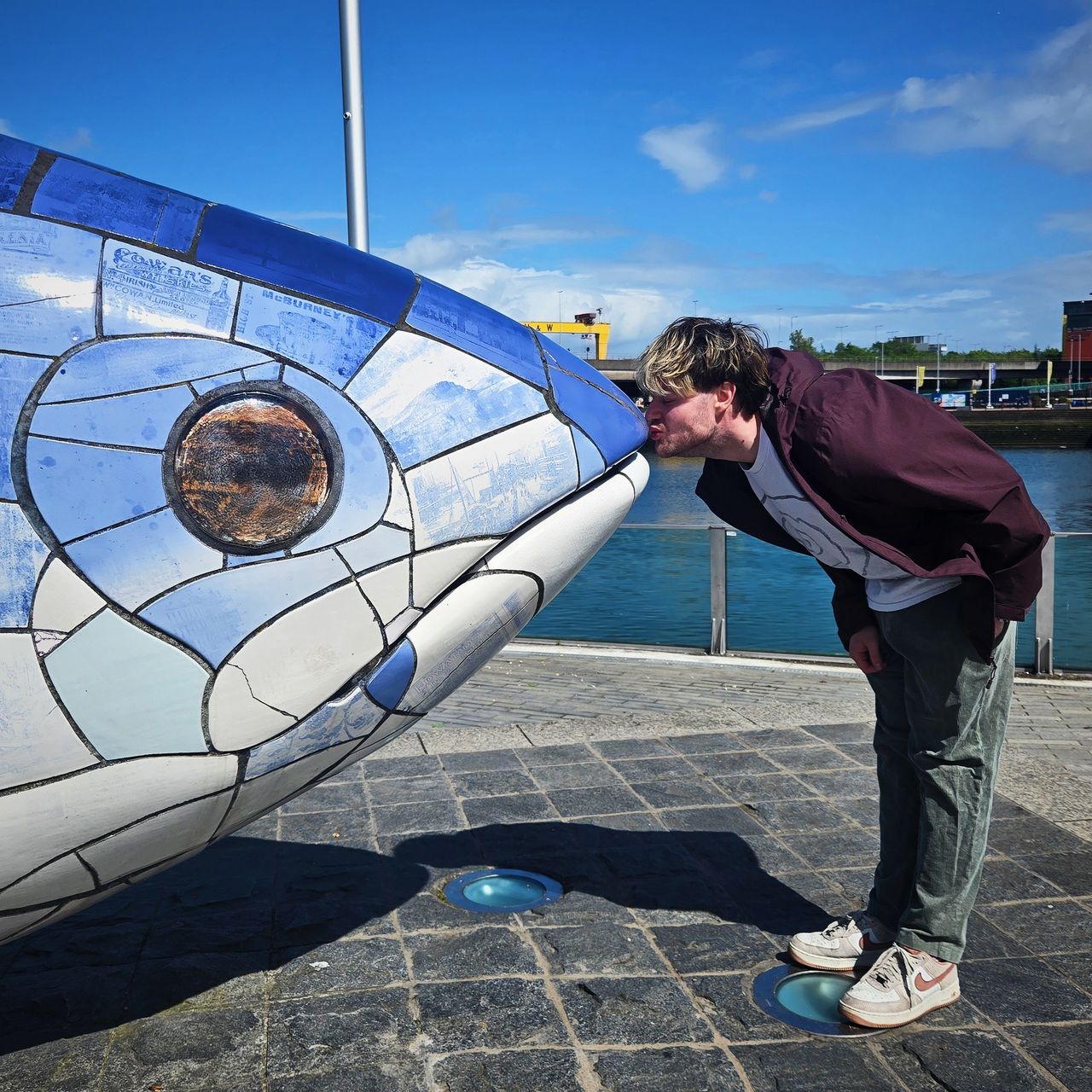
    We were a short walk away from the Cathedral Quarter, which is where we headed next. We passed the Salmon of Knowledge on the way, with whom we took some interesting pictures. We didn’t know its significance at the time, but I later discovered it’s a symbol in Irish mythology and we should have patted it for good luck. Oh well!

    Lewis found some spots that he thought we’d both enjoy. The first was a vintage clothes shop, which was already great, until I discovered that the top floor was full of vintage books and records! This satisfied us both as he gets bored when I browse books while I do when he browses records. He agreed that he’d buy me a book, so I chose The Plague by Camus. I’m working my way through his bibliography, making this the perfect choice.

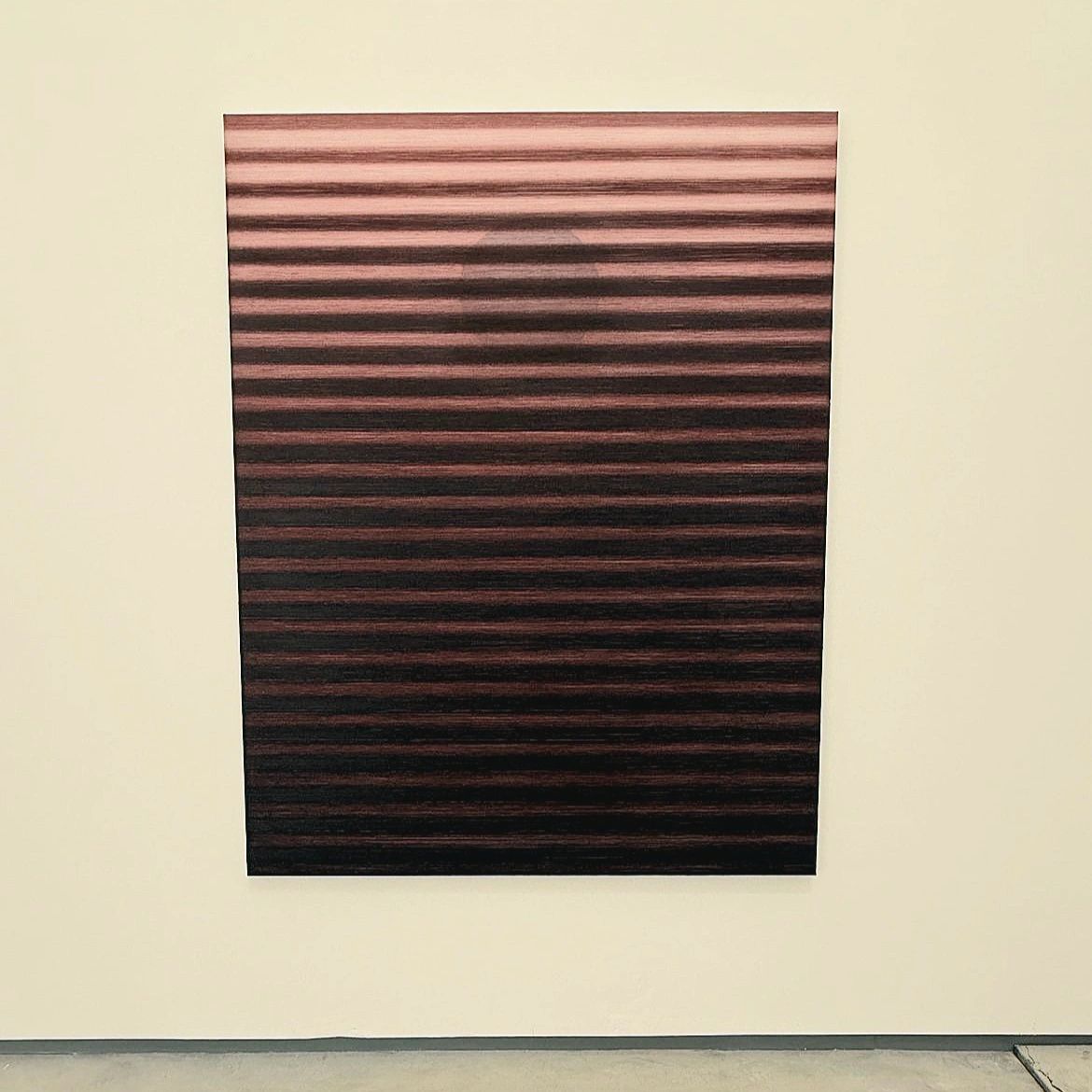
    Lewis then took me to the Metropolitan Arts Centre. We saw an exhibition by Kwok Tsui, a Hong Kong-born artist who moved to Belfast. He creates his works with the use of subtraction (removing paint from the canvas), which offers a very interesting sight for the eye. We saw another exhibition consisting of a fake film set and a film screening about the life of Merle Oberon. I thought this place was very cool as it offers the opportunity to experience all sorts of exhibitions at no cost.

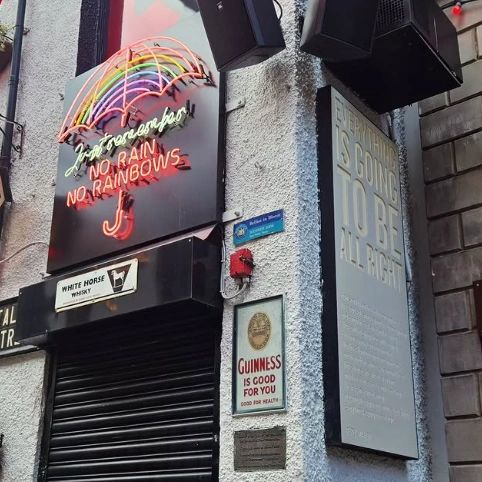
    We couldn’t leave the Cathedral Quarter without visiting the iconic umbrella alley. Lewis spent ages trying to take the perfect picture of me because he knows how particular I am! Vanity aside, the umbrellas are visually satisfying and I appreciated the inspirational quotes on the walls.

    We were completely drained after everything we’d done. We would have gone out for tea, but we were so tired that we went back and ordered a takeaway. We ordered from a pizza restaurant called Pizza Punks, which offered an amazing vegan pizza with vegan sausage and ‘nduja. It’s rare that vegan pizzas have any other toppings besides vegetables, so I was very satisfied.

    Lewis was really in the mood for some gelato, so we tried to work out whether the nearby shop had vegan options. There was a gelato shop around the corner that did offer vegan gelato, but it was closed, so he had to venture out to another place we’d found. When he finally returned, he had gelato for himself but he said they had no vegan options. He’d then gone to three different shops looking for something I could have, where he acquired some Fruit Pastille lollies. He was really apologetic, but I didn’t mind as I appreciated his effort.

    Day 3

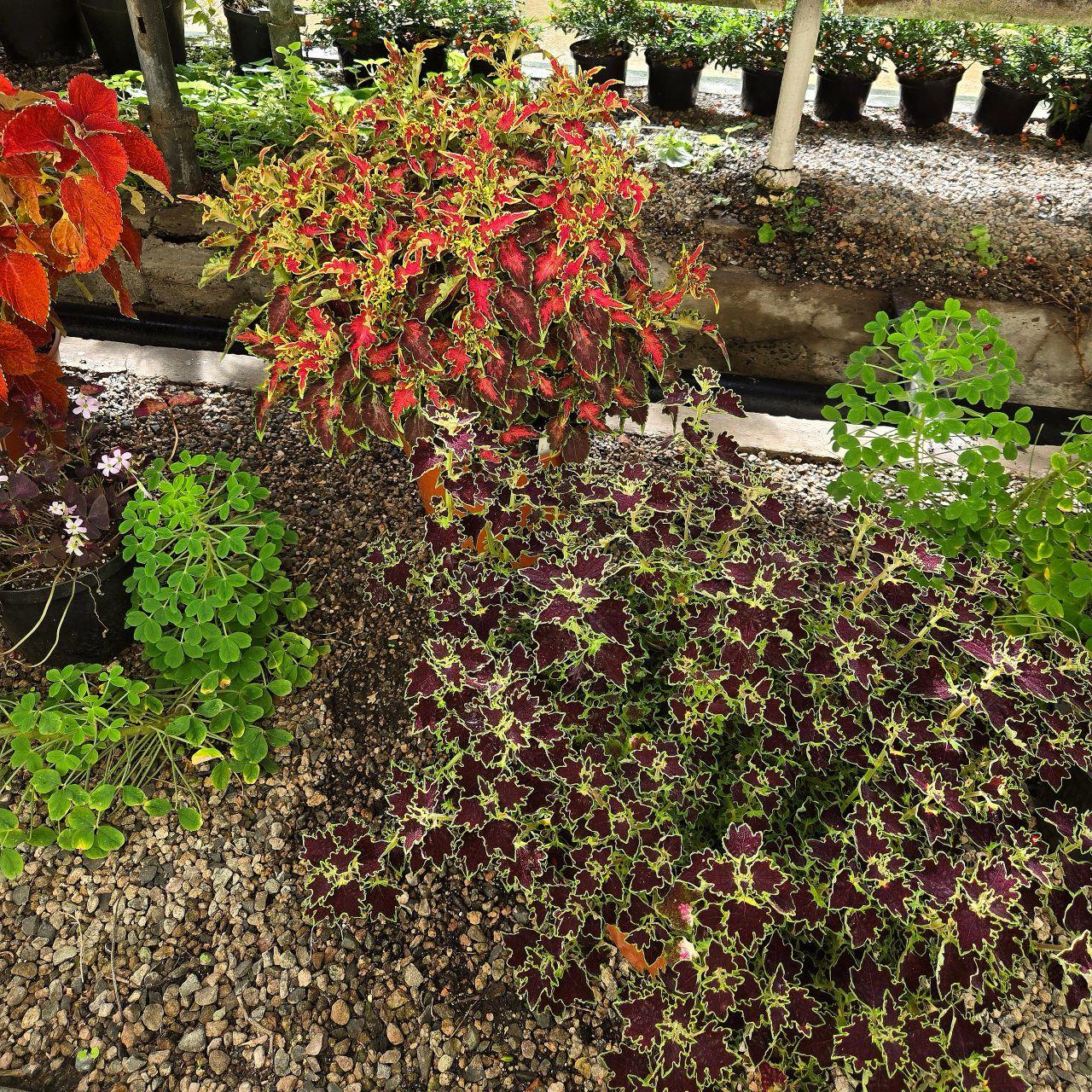
    We started our third day by returning to the Botanic Gardens since the glass house and tropical ravine were closed last time. The glass house was filled with all sorts of perplexing plants and beautiful flowers. The tropical ravine contained impressively large trees, along with plaques of information about the plants. I learnt that ferns reproduce with spores, which I never knew before!

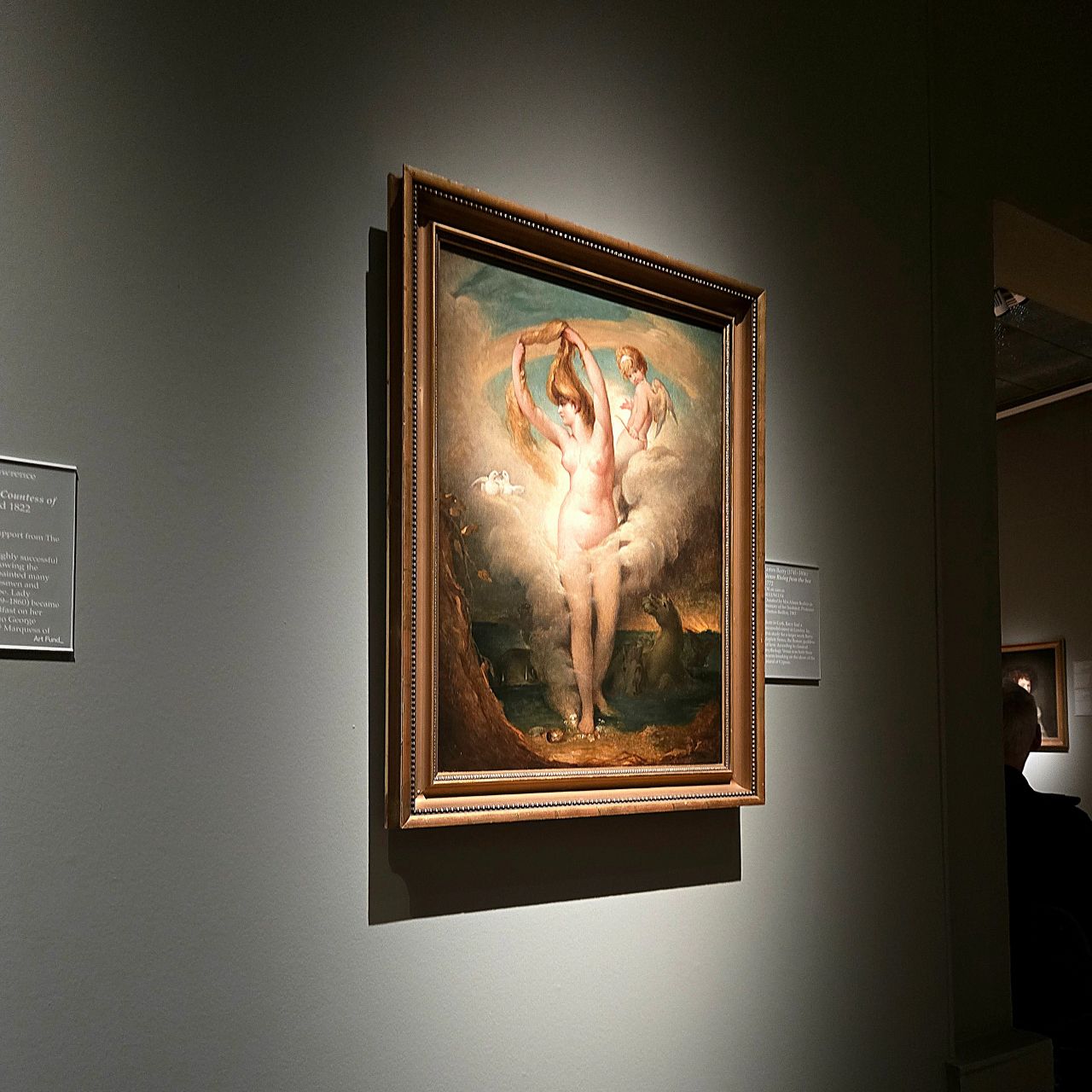
    Inside the gardens was also the Ulster Museum. We started by going to the café, where I had a tasty vegan sausage roll. We looked at the art floor first, which focussed on the Renaissance and Romantic eras, and we were mesmerised by the intricacity of the paintings. The museum also houses artefacts, sculptures, and even animals, so you’re bound to find something that interests you here.

    We got a bus to the Cathedral Quarter once again as I was desperate to try a completely vegan café I’d read about. It was called Hustle and I had a lovely soup with sourdough bread. I ironically find it quite overwhelming when I go somewhere where I can have anything because it’s very rare that it happens! I’m not complaining, though, as I enjoyed the visit and the café’s atmosphere.

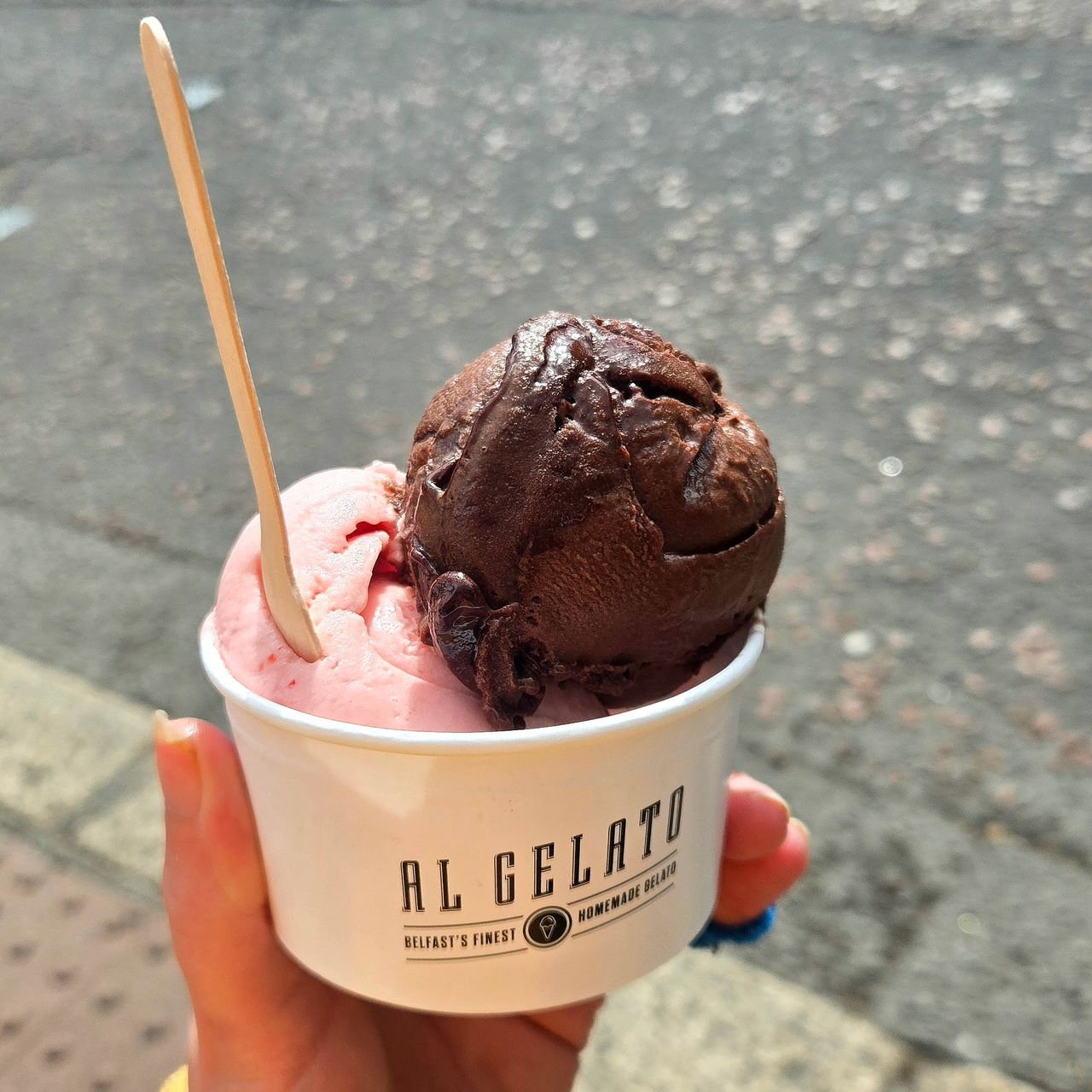
    We sat near the City Hall for a bit, but the weather was doing the same on-again, off-again act as yesterday, so we went back to our apartment. After gelatogate the previous night, I knew I needed to go to the nearby gelato shop to try their vegan selection. They had two vegan flavours: dark chocolate and strawberry sorbet, which I oddly had together and found delicious. It was certainly worth the wait.

    After a few hours of lying down, we went out again to a speed quiz at a pub called The Bowery. I’m not sure if it’s a Northern Irish thing or just where we happened to go, but nowhere seemed to have soda water on tap. This meant I had to pay 3 pounds and thirty pence for a lime and soda with bottled soda water. We ended up twelfth out of seventeen in the quiz, which isn’t bad considering we arrived late.

    When we left the pub, we were hungry but all the restaurants were closed. As a result, we went back and ordered KFC. I would never normally choose a fast food place as they aren’t particularly compatible with vegans, but I knew from working there at 16 that their vegan burger is quite tasty. We had an enjoyable night lying in bed with our feast.

    Day 4

    I had one final quest for our last day. I’d seen a really pretty ring in the window of Cash Converters the previous day and my Grandma agreed to get me one for my graduation, so I went back for it. I tried on a couple of others that were also my size, but I stuck to the first one I’d seen and was very happy with it. I’d been looking all over for the perfect ring and this one comes with memories.

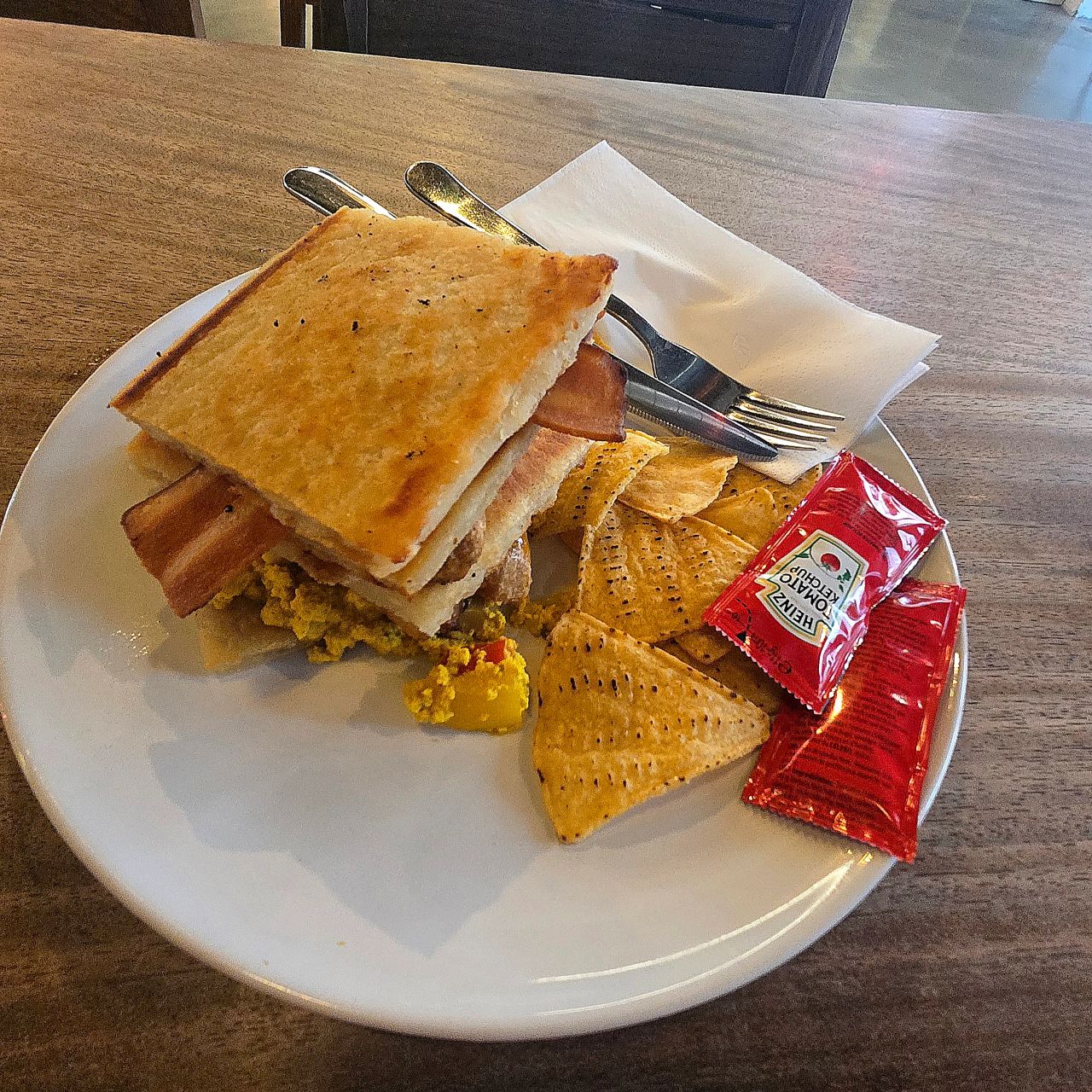
    Instead of searching for another food place, we went to Hustle again as we were already close. It was still the morning so we were limited to the breakfast menu, but this wasn’t bad as I had the chance to try the potato bread stack with tofu scramble, vegan bacon and sausage. It reminded me of how much I love potato cakes, and how I need to buy some at home very soon!

    A few doors down was a record shop. I told Lewis that I’d buy a record for him to return the favour of my book. After a long search, he found a Pavement record, one of his favourite bands, and I was in shock that it was… a lot pricier than my book. Oh well; love makes us generous. After that, we headed back towards Grand Central Station for our bus to the airport.

    We chose a good length of time for our mini break as it gave us time to meander, but not so long that we were bored. I know Belfast has plenty of other things we didn’t see, like the Giant’s Causeway and Belfast Castle, but that would have likely required a few more days. I liked that Belfast was less ‘full-on’ than Paris, which meant it was a generally calmer holiday. We’re already planning our next holiday, which will definitely be somewhere warmer…