
I write a lot on this blog about my experience in Geneva and how unpleasant it was for me. My friends and family assured me that, “You’ll be proud of myself for having completed it,” and “It will make you into a stronger and more resilient person”. However, when I got back, all I felt was negativity towards the entire situation. I found myself thinking, “I truly wish I never went because nothing good came out of it and I’m never going to be who I was before.” This is half true in the sense that yes, I’m not the person I was before, but our experiences help us to grow. I found that hard to see at first, but I now have confidence that I’ll ultimately be better off than before. I can now also see that the other half of the statement is completely false, because good things did come from my time in Geneva. For a start, I created this blog to share my experiences, and I also started to understand the benefits of hobbies for my mental health.
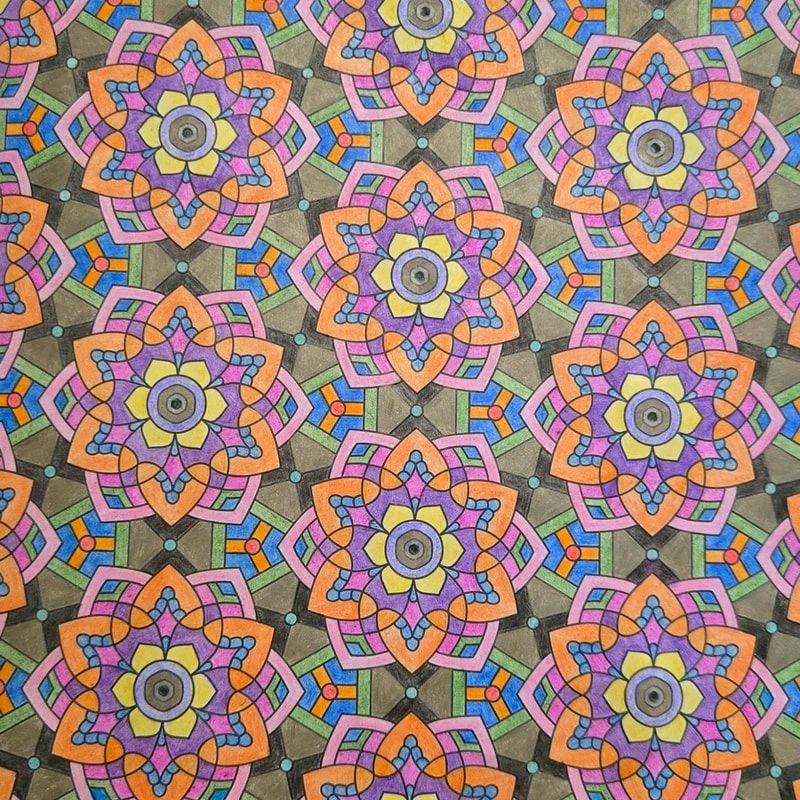
I’ve always been a creative person with a habit of picking up skills, practising them for a few weeks, and completely giving up. One day in Geneva, I walked to Søstrene Grene and picked up some craft supplies to take my mind off the horrible time I was having. I bought some watercolours, embroidery floss for friendship bracelets, coloured card, sequins, washi tape, and origami paper. Out of everything I bought, the watercolours are what stuck the most; I still regularly use them to make greetings cards. Since then, I’ve started other hobbies too, like colouring and scrapbooking. I find these kinds of activities to be a great contrast to mindlessly binging shows or doomscrolling on my phone.
Here are some benefits of creative hobbies that I’ve discovered, both through my own research and first-hand experience:
1. It’s a stress reliever – it’s nearly impossible to focus on two things at once, i.e. feeling anxious and creating a scrapbook, so creativity is great for lowering cortisol.
2. You gain a sense of satisfaction from completing a project – the rush of dopamine I get after finishing something that took time and effort is far more satisfying than the thrill of scrolling on my phone.
3. It can improve social connections – joining a class or sharing a hobby with a friend can boost your social life. I’ve admittedly never done a course, but I do enjoy talking to my friends about our current projects. In a similar vein, I mentioned that I like making watercolour cards for my friends and family, a far more personalised alternative to a cheap corner shop card. Creating something for someone else can be a joyful experience for both the giver and the recipient.
4. It’s good for your mind to learn new skills – lifelong learning is linked to reduced risk of dementia and cognitive decline. Not only that, but many creative hobbies improve our dexterity and hand-eye coordination, so there’s really no downside to picking up something new!
After reading all that, you should surely be thinking, “I’m going to the shops to buy some crafty things right now!” If you aren’t, I’m guessing one of these reasons is holding you back:
- “I don’t have any spare time.”
- “I’m not handy enough to pick up something new.”
- “Hobbies aren’t relaxing because I just get stressed when I can’t do them right.”
- “I have no idea where to start.”
I don’t blame anyone for thinking any of these statements, because I used to be in this boat too, but I’m going to break down those reasons one by one:
- How long do you spend on your phone each day? If you had time to read this article, you most probably have the time to try a hobby that could actually make you feel better.
- Not every hobby requires skill. Some are incredibly easy, and I’m about to give you an idea of one.
- It’s natural and expected to not get something right straight away. Not everything you do or create has to be ‘perfect’ by any stretch of the imagination. My stuff certainly isn’t.
- It can be intimidating, which is why I’m offering a step-by-step plan.
Ela’s guide to starting a creative hobby
I’ve made this guide as simple as possible, so you literally have no excuse not to try.
1. Go to your local supermarket and buy a colouring book and a packet of markers.NB: colouring books for adults often have smaller and more intricate shapes, so if this intimidates you, I’d even consider getting one for kids. I’m suggesting markers because they’re quicker, although I normally use pencil crayons. With pencils, you also have to worry about sharpening them, so this is your no-fuss starting point.
2. Allot (at least) 20 minutes for it every day. This can be while listening to music, a podcast, or even watching TV.NB: if every day doesn’t work, try every other day. Try the same time every week. Just make sure it’s a time you know you’ll have for yourself, like every night before you get into bed, or in the morning before work. The key is consistency.
3. Notice how you feel afterwards.You’re getting into it? Do more. You hate it? No pressure to finish it, but I’d still suggest giving it a fair shot. Think of the satisfaction you’ll feel when the picture is complete.
Maybe you’re still not convinced. In that case, I can’t force you, but my suggestion is there to show that not every hobby necessarily requires you to have artistic talent or lots of creativity. I also think that colouring books are fairly difficult to ‘mess up’. Even if you colour outside the lines or pick the ‘wrong’ colour, it doesn’t matter. Nobody has to see it. You can even burn it and never think about it again!
To summarise this article in one sentence: leave your perfectionist tendencies at the door and buy yourself a bloody colouring book – you might just fall in love with it.
Leave a Reply