Something that made Geneva that bit harder, despite it being the least of my worries at the time, was the fact that many people couldn’t understand my accent. For example, I befriended an Italian guy with an advanced grasp of English, but he found it easier to understand me in French than my own native language! There was one conversation we had about football that still makes me laugh because it highlights the language barrier: Him: …or there’s Juventus based in Turin. Me: Oh yeah, I know that one. H: What? M: I know that one. H: But what did you say? Was it some slang? M: No. I said, “I…know…that…one.” H: What language are you speaking? M: English…? H: You are not speaking English. M: I am — it’s just my accent!
Now, I hold empathy towards learners of English since there are a lot of accents in the UK, with an average shift in accent for every 20 miles you go. Take Manchester and Liverpool — there’s just over 30 miles between us, yet they’re speaking another language over there! My dad found it hard when he first came to the UK from Turkey, but his accent has now assimilated into what we jokingly call Mancunian Turk. I, however, have less patience with middle-class Brits who act as though they’ve never met a Northerner.
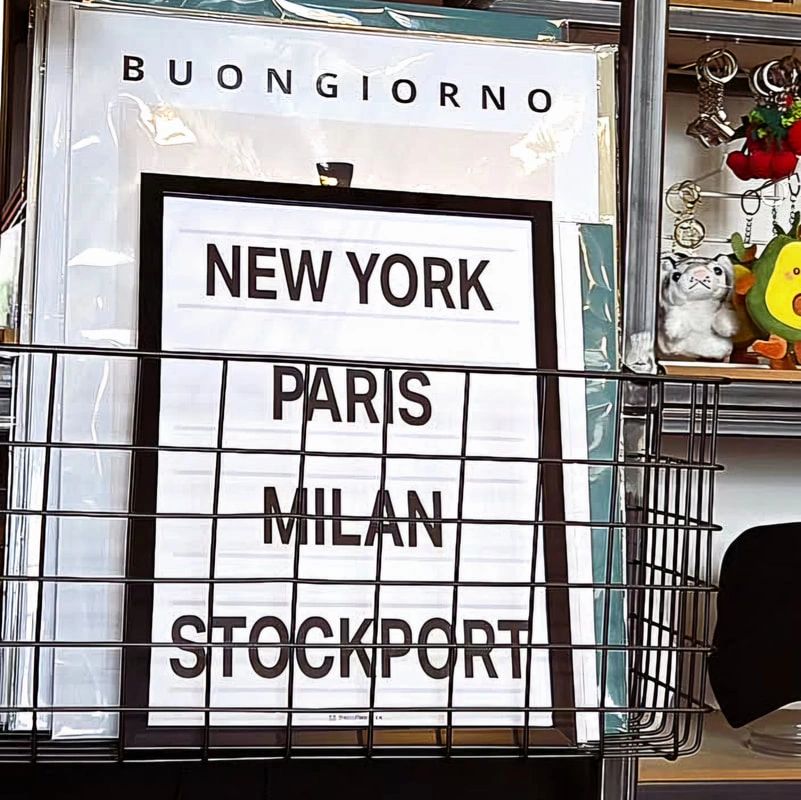
I was originally planning to go to uni in Durham until I learnt about its reputation for classist, elitist students, and I realised I wouldn’t have enjoyed that environment. I instead chose Lancaster, my logic being, “I’m still in the North West — there’ll be plenty of other Northerners.” Oh, how wrong I was. I seemed to come across far more Southerners than Northerners, some of whom would poke fun at the way I spoke. My favourite one, which ironically was from someone who came from Lancashire, was one of my supervisors at work asking why he found me so hard to understand, to which I said, “I don’t know — maybe because I’m from Stockport.” Looking back, my response should have been, “I don’t know — maybe you’re just not listening.”
I don’t really get offended by such situations, unless people are straight-up rude or implying classism; I’m actually flattered that my accent pays homage to where I’m from. One question I received that did offend, was my uni friend from Norwich asking me whether I’d describe myself as sounding ‘more Mancunian or Liverpudlian’ — is he serious? I went to a grammar school (on a bursary), rife with ‘actually-I-live-in-Wilmslow-which-is-in-Cheshire-not-Stockport’ type folk, so I found my accent properly emerged only when I left that school and went off to state college. I felt more ‘me’ with a proper Northern twang.
The irony of my accent is that it’s in the eye, or rather the ear, of the beholder of whether I’m considered ‘posh’ or ‘common’. It also depends on the day you catch me on, as my accent comes out even more when I’m drunk or angry — don’t get me angry when I’m drunk or I might be unintelligible! My family think I’m posh, whereas the boarding-school kids at uni would laugh at how I say words like ‘bath’ and ‘grass’. Caitlin, my best friend from uni and a Bolton girl at heart, always used to say I sounded posh; she pronounces ‘hair’ and ‘her’ the same, but I told her, “Wait until you meet my other friends from Stockport; then you can decide whether I’m posh.”
Even with my state-educated Stopfordian friends, I often confuse them with certain lexical differences, like ‘chuddy’ (chewing gum) or ‘ginnel’ (alleyway). Some of these quirks come in part from my love for The Royle Family — I even use the word ‘notes’ as a synonym for ‘pounds’, despite being born decades after £1 notes went out of circulation! I’ve also had the age-old debate over the names of the three meals of the day more times than I’ve had hot dinners. To clarify, I say dinner referring to the midday meal and NOT the evening one. When people use the argument of Christmas dinner against this, it’s redundant since we eat Christmas dinner at midday up here. And it turns out I wasn’t alone in these experiences…
At around the time I started at uni in Lancaster, an article was published in the MEN about a Stockport student being asked if he was from ‘desolate wasteland’ during Freshers’ week because of his accent. It goes on to say that 41% of Northern university students fear their accent could affect their ability to succeed in the future due to accent bias. That’s heartbreaking — why should we dilute ourselves to fit such a narrow idea of an ‘educated’ person? What mithers me even more is the hypocrisy: Northern accents are celebrated in the media, take Victoria Wood or Peter Kay, yet in reality we’re treated like we’re second-class or, worse, criminal.
Call me conceited if you want, but I’m living proof that being intelligent and Northern aren’t mutually exclusive, as are the 19% of students at universities in the UK from either the North East or North West. 52% of workers in the UK admitted to toning down their accents in professional settings, but, despite comments that my accent makes me sound uneducated, I will never (consciously) be a part of that 52%. If I were at a job interview and genuinely got rejected for the way I talk, it isn’t somewhere I’d want to be working anyway. I’m not ashamed of my accent, even if it’s a mish-mash or an enigma to some. You know why? Because first and foremost, I am Northern, working-class and proud.
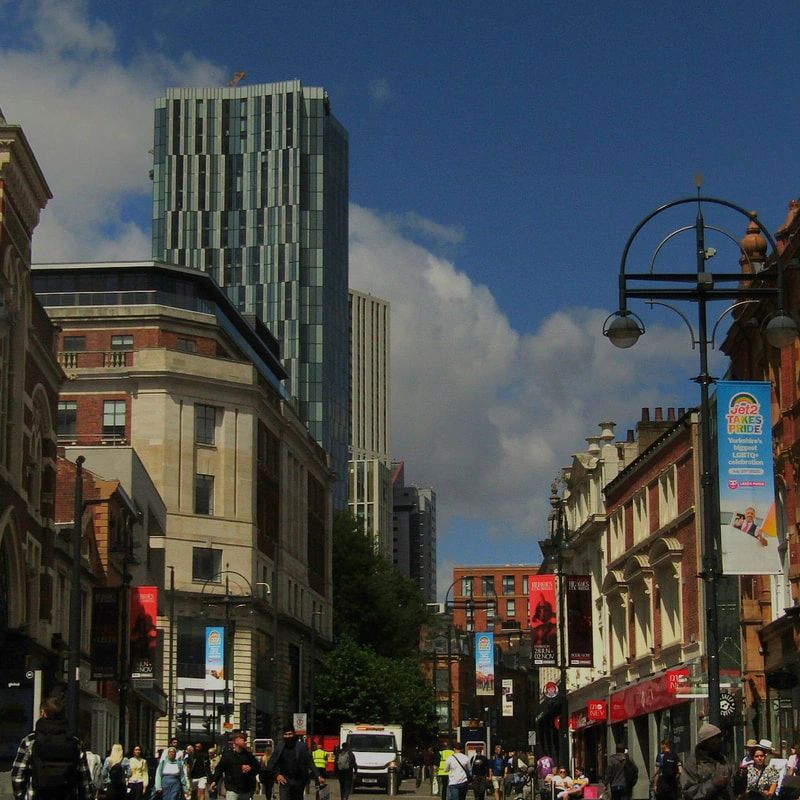
I recently made it one of my “life goals” to visit every city in the UK. Not for any particular reason — it’s just that I’m always fixated on going abroad for holidays when there’s so much to see right on my doorstep. Upon doing some research, I realised we actually have more more cities than I thought, some of which I’d never even heard of, but I thought it wouldn’t be very ambitious of me if that made me give up on the goal. I chose to start with Leeds, since the only other time I’ve been was for Leeds Festival (which isn’t really in Leeds anyway), and it all started with a coach journey from Shude Hill on a fine Sunday afternoon…
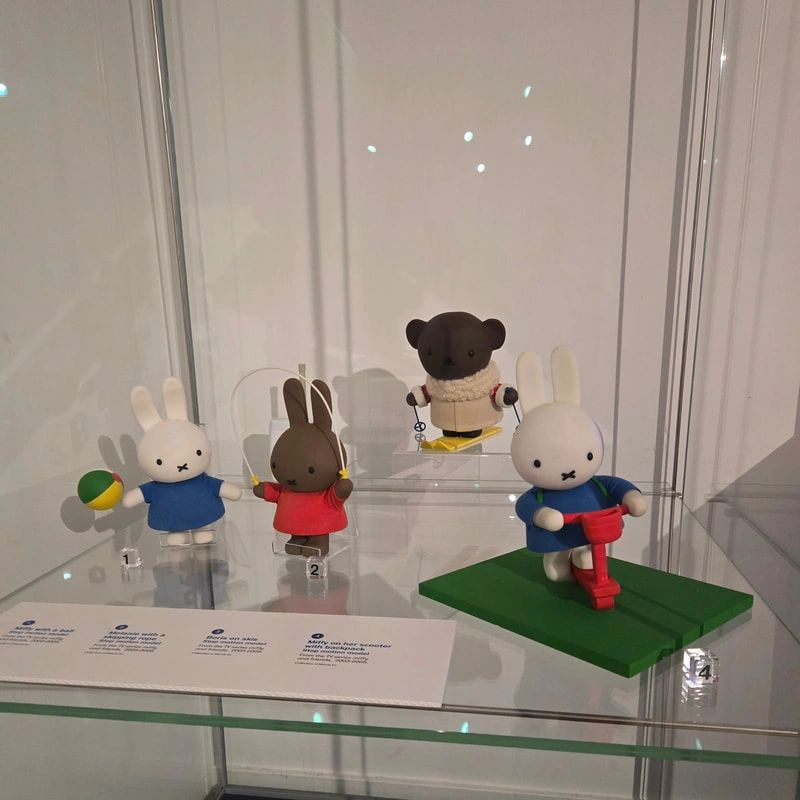
One of the other reasons I chose Leeds was because I’d read online that the museum was hosting a Miffy exhibition to celebrate her 70th birthday. I arrived in Leeds at 3:30, the museum closed at 5, and it wasn’t open on Mondays (the following day), so I made it my top priority. The exhibition itself was only a couple of rooms and a bit juvenile, but I was still able to read about the history of Miffy and see how she’s changed over the years. The museum housed several other exhibitions, all of which were free, so I had a quick glance at the Ancient Worlds and History of Leeds sections. I think it’s amazing how a museum as big and eclectic as this one was free — the way all museums should be if they want more visitors.
Just across the road was a Wetherspoons calling my name, so I swung by and ordered a non-alcoholic pint. I sat there scrawling in my notebook, which always relaxes me after a long day. I reflected on my first impressions of Leeds, which were that I really liked the city’s vibe. I’m surprised I’d never really been before. As a child my mum would take me on day trips to Sheffield, Liverpool, Chester, cities that are all a similar distance away, but never to Leeds. I’m even considering applying here for my Master’s, and my visit cemented the idea that I could imagine myself living here. My only qualm is: would it mean I’m betraying my Lancastrian ties if I convert to a Yorkshire uni? I suppose that’s for me to decide.
It was now time for me to walk to my hotel, which was quite a way away. When I got there, I was kindly upgraded to a double room even though I must have reserved a twin. I had a really enjoyable and relaxing evening by myself — I put on music, bought some snacks, and prepared for my next day in Leeds. One of my simple pleasures in life is going away alone and having a room to myself. I think it’s something many would never dream of doing, but I’m here to say: if you’ve never stayed in a hotel by yourself, tryit!
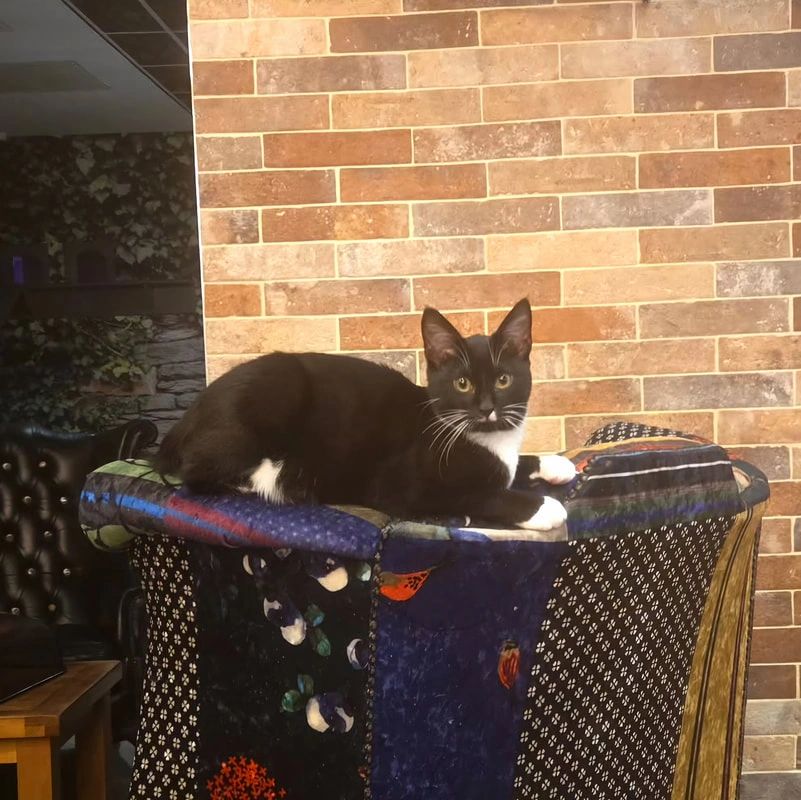
I ended up sleeping for nearly 12 hours, which I must have needed. On my walk the night before, I noticed a “Kitty Café” and made it my first stop of the day. It was £8 to enter, a little overpriced if you ask me, but maybe worth it as I was surrounded by adorable kittens! I treated myself to a blackcurrant blondie with a coffee — highly enjoyable and it gave me the energy to get on with my day.
For months, I’d been on the hunt for a new digital camera; I had a reliable one that lasted me three years and the two I tried to replace it with were both faulty. Next door to the café was a Cash Converters where, luckily, I found a really high-quality camera for £90! It has 42x zoom and is worth about £300, so I’ve since been enjoying taking artsy pictures with it. It means the quality of pictures on this blog will now be taken up a notch — lucky you…
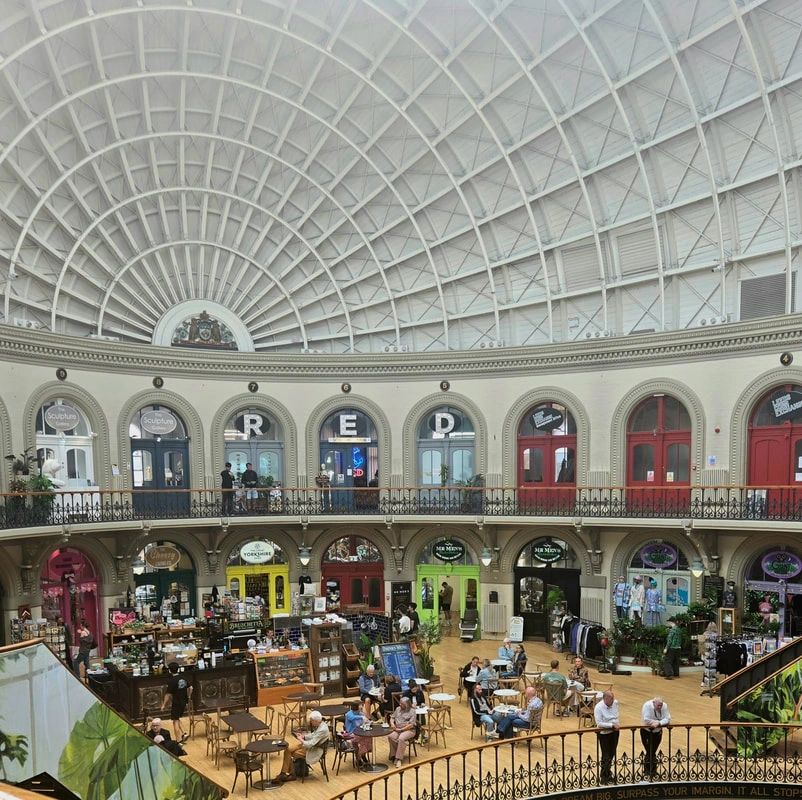
I then found myself at the Corn Exchange: an indoor shopping centre full of quirky independent shops. With everything from soap to vintage clothes, antiques and cosy cafés, I enjoyed having a gander in them all. The building itself is Grade I listed, so the whole experience was a feast for the eye. There was even a shop from one of my favourite jewellery businesses, Gab’s Wonderland, where I treated myself to two rings.
The other thing I’ve been on the hunt for recently is a new pair of jeans. I had a pair I adored that I got for my 16th birthday, and now, nearly 21, they’re full of holes and about three sizes too big. I knew that Leeds is known for its vintage shops, so I thought this would be the perfect opportunity to hunt for a pair. I was originally after a pair of vintage Levi’s but I know they’re few and far between, so I widened my search. After trying on about 15 pairs over the course of the day, I finally found a pair in Blue Rinse for £26. They’re from a brand called Colours of the World which truthfully I haven’t heard of, but I’m happy I found some in the end. Here’s to hoping they last until I’m 26!
I was getting hungry, so I went on the hunt for a bite to eat. I ended up at itsu, where I ordered some veggie gyoza noodles and a ginger kombucha. It’s now a bit of a tradition for me to have a kombucha when I eat alone, and the one I had here was the best one I’ve tried — I need to find out where to buy it. The last time I went to itsu was in Bristol about two years ago, and this showed me I need to start going more often. Either that, or I learn how to cook their recipes myself.
I had about an hour left before I was going home. I wandered round the streets and came across a piercing studio that was calling my name. “Ela…you haven’t had a new piercing in seven whole months…”, it said. I’d been wanting a floating helix piercing for a while but I was told by a piercing shop in Manchester that I didn’t have the right anatomy. I went in and explained, to which they told me that I did; it’s just that it may end up being less ‘hidden’ than usual, which I didn’t mind. I walked out with my long-desired piercing!
On my coach back to Manchester, I concluded I had a lot of fun in Leeds and I can’t believe it took me nearly 21 years to properly visit. I’d definitely come back, and I might even drive next time since it’s only an hour away. I have about 65 more cities to see in the UK before my goal is completed, but I have a whole lifetime for it so I’m in no rush. I’m trying to get my friends to come on a day out to Wrexham for my birthday, so that could be next. I’m also considering a few days away where I visit both Newcastle and Durham. Really, the possibilities are endless, so stay tuned to see where I end up next…
Curious soul and lone traveller Ela immensely enjoyed her time in Dublin just over a month ago, aside from one small issue: her rucksack was still there, passport inside! She somehow re-entered the UK without it, so she booked another Ryanair flight for the end of May. She then bumped into a friend of hers who works for Ryanair and asked him whether she’d be able to fly back to Ireland without her passport, to which he said, “Only with Aer Lingus can you fly with alternative forms of photo ID”. Oh sugar – it’s a good job she asked him.
So, that was my reality. I looked up Aer Lingus (rip-off), and decided to instead get my host to post my passport so I could go and retrieve the whole bag. Once I’d received it, I finally booked a flight. I chose to go just for the day so I wouldn’t too much back home. I even made a fun little “I <3 Irish men” T-shirt for a day of light flirt-based field research… but since I’m now happily spoken for, it didn’t make it out of the bag. (If anyone wants it, let me know).
Instead, I had a loose plan to see anything I missed the first time. I didn’t have lots of time, but still enjoyed myself – here’s how it went…
My mum hates dropping me off at the airport – she gets easily stressed when driving in unfamiliar places – so I instead paid £28 for a taxi, nearly the same price as my return flight! Once through security, I camped by my gate to avoid repeating my previous mistake of missing the flight. I read a decent chunk of the book I was in the middle of: The Courage to be Disliked. You’ve likely heard of it as it’s recently been doing the rounds online and in bookshops, for good reason; it helped shift my perspective on life and what it means to be happy. I’m planning a post soon where I review every book I’ve read this year, so stay tuned for my thoughts.
When I arrived in Dublin, the most important task of the trip awaited: retrieving my rucksack. My host kindly met me at the coach depot, saving me a trek to Clondalkin. He profusely apologised for the misunderstanding, but I reassured him it was fine because it gave me an excuse to come back. He recommended I take the LUAS into town, which I did – it’s fast and you can pay with card. I messaged the friend I’d met last time, but she was off on a road trip around Ireland, so I was back in my lone-traveller era.
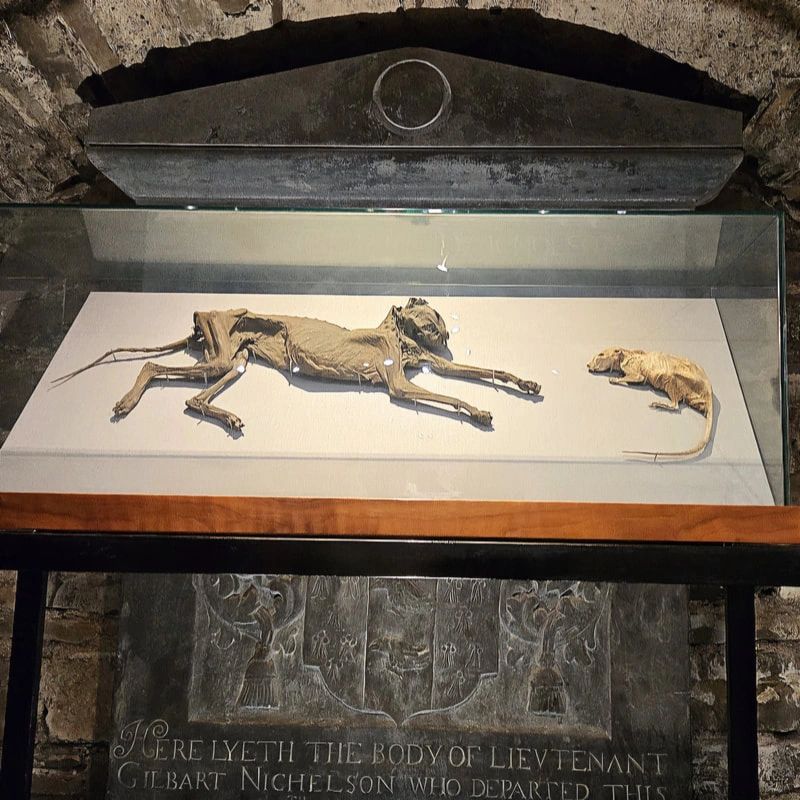
Because I didn’t go inside last time, I thought that I ought to explore Christ Church Cathedral. The student ticket was around €10. It was smaller than St. Patrick’s (which I visited on my previous trip), but a feast for the eyes nonetheless. A self-guided audio tour fed me intriguing facts, like the fact that the Handel’s Messiah first performance was in Christ Church! The thing that stuck with me most, was a mummified cat and rat that were found in the organ pipes in the 1850s. Creepy.
Next, I was hungry and needed a coffee. I was looking for a non-chain café with food options, and I stumbled across a Tex-Mex kitchen a short walk away from the cathedral. I ordered an Americano and veggie quesadillas. I drink flat whites most of the time, but my method of gauging whether a coffee is good, is whether I can drink it black without sugar. This one was a bit bitter for my liking if I’m honest, but I still appreciated the jolt of energy. The food, however, was excellent and gave me the energy to keep going.
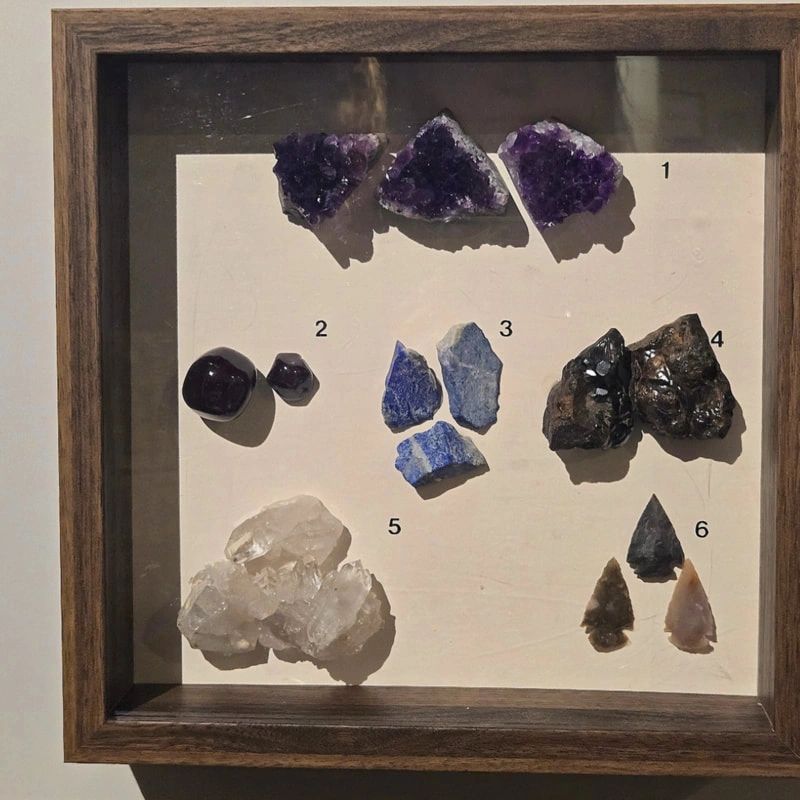
Across the road was a museum called Dublinia that had caught my eye both times I’d been. I’d never heard of it before, but it was right there, so I gave it a whirl. Slightly annoying: I could have bought a combined ticket for both the cathedral and the museum had I gone there first, but I wasn’t to know. The museum focused on Dublin’s Viking and Medieval past, and I unexpectedly found it fascinating – especially the final section on spirituality in Medieval Dublin. There were crystals, tarot cards, and reflections on metaphysical objects and their remaining influence today. Right up my alley.
With just a few hours left, I made the decision that I wanted a ring to remember Dublin by. I recently switched from silver to gold as it suits my complexion better, but it does strain the bank account more! After searching a few shops, I found a lovely gold-plated ring in a gift shop. It’s a bit too big and now slides up and down my thumb, but oh well – the memories transcend the fit.
It was now time for my coach back to the airport. I hadn’t walked that much as I’d mostly stayed in one area, but between waking up early and carrying my heavy rucksack, I was ready for home. I quickly made it through security which left me with plenty of time to browse the shops and read more of my book before boarding my flight back to Manchester.
I was home and in bed by about 11pm. Despite only having a few hours to explore one of my new favourite cities, I’m glad I was able to go back and see even more of what I didn’t experience on my previous visit. I also realised it’s totally doable as a day trip, so I’m hoping it won’t be the last time. I mentioned this to my mum and her friend, and they immediately said they wanted to go too, so perhaps I’ll be returning as the designated tour guide for a couple of 50-somethings!
My therapist recently gave me a piece of homework that initially sounded easy, but turned out to be much harder than it seems: think about the question, “Who is Ela?” I’ve lived in my own head for 20 years – I must know who I am, right?
The therapy session before this homework had me talking about how I often blindly follow the advice of others, only to later realise that it isn’t actually what I wanted to do. I also talked about how I tend to tell myself that what I’m doing isn’t what I ‘should’ be doing, a mindset influenced by things like social media or comparisons with people I know. With that in mind, I found it hard to answer the question of who I am, as I started to spiral: “Do I do [insert thing here] because I genuinely like it, or because I think it’s what I’m supposed to do?”.
My therapist recommended asking people close to me for their perspective as a way of figuring it out. But there are two issues with that: one, people may just tell you what they think you want to hear, and two, we all have parts of ourselves that we don’t show to others, or that we only show to certain people. I didn’t really want to do this exercise with others, as I might take people’s less-than-glowing responses too personally and start thinking I should change myself. So, I did the thing that felt most natural to me: I took to my journal.
I have a Pinterest board where I save journaling prompts ideas, and it turns out I already had quite a few dedicated to self-discovery. I started with: “What could you truly not imagine your life without?”, to which I wrote a page all about the deep impact that music has had on my life. I won’t copy all my entries word for word here, but in brief, I realised that music is the basis of who I am, and all of my fondest memories include music in one form or another. That felt like a meaningful revelation, even if liking music isn’t exactly a unique personality trait.
Another one I answered was: “When you die, what would you like to be remembered for?”, which was slightly harder. I decided that I would want to be remembered for being funny and for being able to ‘light up a room’. I know it’s a cliché often said to people who have passed, but I’d want people to say it and really mean it about me. It isn’t my goal to be a celebrity or anything, but it’d be nice to have made some sort of small mark on the world, possibly through writing, or through research if I go on to do a postgraduate degree. Maybe you’re reading this blog in an archive years after I wrote it – in which case, I’d say: “Well, I’ve succeeded!”
I did a couple more of these prompts I found (I’ll link my board at the end so you can try some too). One that caught my eye was “A Month of Letters,” where you write a letter a day to someone different for 30 days. I found it a couple of weeks before June, the perfect time to start, since June has 30 days It also lined up nicely with something I’d already been thinking about: writing myself a letter to read whenever I’m feeling anxious or down, reminding myself of how strong I am and to keep going.
I’m still in the middle of the challenge, but something I’ve especially liked is how it forces you to think of people you wouldn’t usually consider writing to. For example, day two asked for a letter to someone you love. My first instinct was to write to my mum, until I saw that there was another day specifically for writing to your mother. I ended up writing to my one-year-old nephew instead, which then made me feel a deep appreciation I’d never fully reflected on before. It’s made me think in ways I never have, so I’d definitely recommend the challenge if you have half an hour to spare each day.
When I first started journaling at 16, I went through a phase of only answering prompts; I thought my life wasn’t interesting enough to write about and there was no point unless some deep insight was involved. Now, I’m leaning more towards the opposite – I want to write down what happens in my life so I can look back on it, even if it wasn’t anything particularly remarkable. That said, my therapist’s homework pushed me to answer deeper questions again which made me gain a deeper understanding of myself, so I’m learning to enjoy answering prompts on occasion.
Journaling is a deeply personal practice, and I don’t believe there’s any ‘correct’ way of doing it. I write unstructured entries most of the time, unless I’m perhaps bored, or want to think deeper into a certain topic, when I will then turn to prompts. Maybe you keep a journal or a ‘diary’ where you write about the mundane and find it a chore, to which I’d recommend: try answering a question. You might unlock something in yourself too.
It’s no secret that I’m a bit of a bookworm. While I was once the type who would alternate between not reading for months and then reading constantly, perhaps on holiday or if I was particularly bored, I wanted it to be a consistent habit this year. At the start of 2025, I set myself a goal to read 20 books and I’m already at 16 in July!
I wanted a relatively manageable goal because I knew that if, for example, I set a goal of 30 books and only read 15, it would discourage me from setting another goal next year. I’m predicting that I will have read somewhere between 25 and 30 books by the end of the year, but I’m not putting too much pressure on myself. I’ll be in my final year of uni for the last quarter, and I’ll probably have lots of academic reading and coursework to focus on. Still, I’m both happy and surprised that I’ve already read this many.
I wrote in my article about my journaling routines that I like to write reviews of all the books I read. This way I can consolidate what I’ve taken away from them, as well as keep a record of what I’ve read. I thought it would be a good idea to share these reviews with you; they might inspire you with books to add to your reading list, although there will be spoilers, so be careful if you’re planning to read any of these.
11th January Title:Everything I Know About Love Author: Dolly Alderton Pages: 368 Genre: memoir Published: 2018 Star rating: ★★★★
I really enjoyed this book because it’s gritty, real, and shows the ugly side of being a young adult. I grew to love Dolly as a person and related to many of her feelings, like existentialism and anxiety. I especially loved her reflections on embracing the mundanity of life, as it’s something I’ve been struggling with recently. Some parts were so emotional that they nearly made me cry, like the chapter where Florence dies, but I appreciated how she puts a somewhat positive spin on it – it made her appreciate life’s simplicity.
5th February Title:Pride and Prejuice Author: Jane Austen Genre: romance Pages: 304 Published: 1813 Star rating: ★
To be honest, I thought that this book was really overrated. I don’t blame Jane Austen for this since it was written in a different era, but I found it hard to understand because of the language used. I think that this led me to not fully engage with the story. Maybe I need to read it again to properly appreciate it, but I don’t plan on doing that for the foreseeable.
18th February Title:Conversations on Love Author: Natasha Lunn Genre: self-help, relationships Pages: 320 Published: 2021 Star rating: ★★★★
I liked this book a lot because it taught me about why people act the way they do in relationships and gives a unique perspective on love, i.e. that it’s all around us, that it’s a risk, and that it’s a choice. It’s given me some advice which I’ll be taking with me into future relationships. The only downside was the long, slightly unstructured chapters, which made it difficult to find a good stopping point. Besides that, it was an enjoyable read.
4th March Title:Beautiful World, Where Are You? Author: Sally Rooney Genre: romance, friendship Pages: 352 Published: 2021 Star rating: ★★★★
I enjoyed this for all the same reasons I liked Conversations with Friends: Rooney’s writing style is easy to read and relatable. I preferred this one to because it felt more realistic — it simply depicts life as a young adult. My favourite types of books are ones with romance but not in an unrealistic film-like way, so this book fulfilled that expectation for me. I also found it really sweet how at the end, Eileen and Alice both realise their lives are in fact already beautiful through the richness of their relationships.
13th March Title:Buy Yourself the Damn Flowers Author: Tam Kaur Genre: self-help Pages: 288 Published: 2024 Star rating: ★★★★
I expected this book to be condescending based on how Tam Kaur comes across online, but I was pleasantly surprised. It’s given me some useful ideas to implement on my own self-love journey whilst being easy to digest — it took me less than two weeks to read which is fast for me. The reason it doesn’t get five stars is because I found there to be some discrepancies that aren’t really explained, e.g. it advises against asking others for their approval, yet it later recommends you ask family and friends for advice.
22nd March Title:You Could Be So Pretty Author: Holly Bourne Genre: dystopian fiction Pages: 400 Published: 2023 Star rating: ★★★
This book reminded me why I used to love Holly Bourne’s books. While I think I’ve outgrown her writing style a bit because I now find it slightly juvenile, I loved the premise of the book. I was thinking to myself how crazy it would be if the world was like this, until I realised the point is that this IS what the world is like. It’s made me want to read more books on feminism to properly educate myself. I’d definitely recommend this book to younger readers who want to understand why feminism still matters in 2025.
1st April Title:Body Positive Power Author: Megan Jayne Crabbe Genre: self-help Pages: 280 Published: 2018 Star rating: ★★★★
I wasn’t expecting this book to help me much, but surprisingly it did. It explains the history and reasoning behind our fatphobic society, as well as some shocking statistics (like how the average age a girl starts dieting is eight). Crabbe shares her own story with dieting and recovering from an eating disorder, which was powerful and inspiring. The only thing missing was an in-depth discussion of disabled bodies, but perhaps it wasn’t hers to tell.
8th April Title:Girl, Interrupted Author: Susanna Kaysen Genre: memoir, autobiography Pages: 192 Published: 1993 Star rating: ★★★
This book reminded me of The Bell Jar, so of course I really liked it. At first, I thought it was boring because it doesn’t seem like a lot happens, but when I learnt it was a true story, I liked it more. It gives an unfiltered look at mental illness, and I liked the inclusion of the clinical details. The first-person perspective made it feel even more real and compelling.
18th April Title:First, We Make the Beast Beautiful Author: Sarah Wilson Genre: memoir, self-help Pages: 320 Published: 2017 Star rating: ★★★★
I’d say that this is one of the best books on mental health that I’ve read. It gives lots of interesting theories and facts about anxiety, as well as coping mechanisms that I’ve started using. I like how it’s written by someone who’s simply a sufferer of anxiety who talks about what worked for her, because I find that books written by experts come across condescending and contain too much jargon. She also includes quotes from other books, like Tolle’s The Power of Now, which I like because I can use that to further my understanding even more. The reason it doesn’t get five stars is because it didn’t seem to have a clear structure, which could have been related to the fact I read it digitally.
25th April Title:My Year of Rest and Relaxation Author: Ottessa Moshfegh Genre: literary fiction Pages: 304 Published: 2018 Star rating: ★★★★★
My favourite book this year because it explores similar themes to my favourite book ever: The Bell Jar. I simply love books about young women searching for their purpose in life. Some say the protagonist is unlikeable but I disagree — she reminds me of myself to an extent. I really loved the writing style and the dry humour of the narrator because it made me want to carry on reading. I also like the ending as it shows how much your perspective on things can change after being away from them, a profound way of showing that we fail to appreciate life’s beauty when we’re so used to it.
6th May Title:How to Be a Woman Author: Caitlin Moran Genre: memoir Pages: 336 Published: 2011 Star rating: ★★★★
I thought that this book was the perfect combination of being funny, educational and moving that Caitlin Moran does really well. For this reason, I’d definitely give this book to someone who either wants to learn more about living as a woman, or someone who doesn’t believe there are inequalities between the sexes. I loved Moran’s style of writing because it’s clear that she’s expressing her true opinions and she doesn’t care if people disagree with her. She isn’t afraid to call people out, like Katie Price who people named a feminist despite her not really caring about feminist issues, and from that, I can tell that I’d get along with Moran if I ever met her. It made me want to read more of her books since this one has only scratched the surface, and I’d love to read more of her witty-but-dry humour.
14th May Title:The Woman Destroyed Author: Simone de Beauvoir Genre: feminist fiction Pages: 257 Published: 1967 Star rating: ★★
I found it hard to get into this book because of how long the chapters were without clear structure; it makes it hard to find a natural place to stop reading and be able to pick it up again. I liked the poetic style of writing, especially in the first section, but I didn’t particularly like the main characters. My favourite one was the last woman because I think she captures the heartache of finding out your husband doesn’t love you anymore, and I think the ending is very poignant. I would like to read more of De Beauvoir’s works because I know she was a powerful feminist of her time, but the fact I didn’t enjoy this book much makes me hesitant.
28th May Title:Clandestine Author: James Ellroy Genre: crime Pages: 328 Published: 1992 Star rating: ★★★
This isn’t normally the type of book I’d choose, but I unexpectedly got quite into it. It was easy to get into and I thought it was an interesting read. I’ll admit I lost the thread of it about halfway through, but I quickly regained it and I thought the ending was really satisfying. Something that did annoy me was that I could instantly tell it was written by a man through the fact that in one of the sex scenes, they both orgasm at the same time (during a one-night stand). Still, a good read.
5th June Title:Baise-Moi Author: Virginie Despentes Genre: feminism, erotic thriller Pages: 244 Published: 1993 Star rating: ★★★★
This is the book I’m planning to write my dissertation on and I’m glad I chose it; it’s full of female rage which is the sort of thing I love reading about. It has all sorts of interesting quotes, particularly about the human body and about satirising the carnal greed of men, which I know will be good to analyse. I definitely don’t agree with the actions taken in the book because two wrongs don’t make a right, but it poses an interesting moral question of how far women will go when pushed, and I suppose the ending shows how it wasn’t the right answer. I’ll probably have to read it many more times over the course of my dissertation where I’ll be able to offer even more insights.
10th June Title:The Courage to Be Disliked Author: Ichiro Kishimi and Fumitake Koga Genre: self-help Pages: 272 Published: 2013 Star rating: ★★★★
This book definitely helped to change my perspective on what it means to be happy. It’s really well-written and I like how it’s written as a dialogue between a philosopher and a young person, because it doesn’t come across as didactic, and the structure helps to dispel any arguments you’re bound to come up with as the reader. My favourite part is when it talks about the separation of tasks – it’s something I’ve never really thought of in this way before, but it’s something I’m going to remember in my everyday life. I’m still not 100% convinced by the entirety of Adlerian philosophy because some of it seems to be a gross oversimplification of the human psyche, but it’s made me want to learn more about him and about philosophy in general. I would have liked the book even more if there was a practical guide on how to apply the philosophy, but I suppose that it’s something you have to learn for yourself.
19th June Title:Intermezzo Author: Sally Rooney Genre: psychological fiction Pages: 448 Published: 2024 Star rating: ★★★★
I just love Sally Rooney’s style of writing for how it depicts mental health and the ups and downs of being a young adult in today’s world. This is the first of her books I’ve read since going to Dublin so I enjoyed it even more as I now know the places mentioned, like St. Stephen’s Green and O’Connell Street; I could imagine the book even more realistically. I also liked how it made reference to covid as it adds a touch of ‘modern day’. I appreciated the fact it switches between the perspectives of the two brothers as you could properly see the points of view of both of them. I was really angry at the ending, where Peter, Naomi and Sylvia end up being in a throuple, but when I think more about it, I like that it makes the point that love isn’t always simple and there isn’t only one way for a relationship to be. I also love the inclusion of Sylvia, a disabled woman.
26th June Title:King Kong Theory Author: Virginie Despentes Genre: memoir, feminist theory Pages: 143 Published: 2006 Star rating: ★★★
I enjoyed how readable this book was whilst also packing a punch in terms of feminist theory. It’s short enough that you could probably read it in one day and end up being far more educated on what it means to be a woman. With every one of Virginie Despentes’ books that I read, I start to love her a bit more, as I can see how cool and smart she is. I’ve noted down a few quotes from the book for my dissertation – my favourite was about how the female body belongs to men in the same way the male body belongs to industry or to the state in times of war, showing that none of us are truly free. I’m looking forward to reading more of Despentes’ work to gather even more intel for my dissertation.
I hope these reviews might encourage someone to pick up a book they wouldn’t normally read; I’m proud of the variety of themes I chose this year. After all, the beauty of reading is that it constantly expands your perspective.
I write a lot on this blog about my experience in Geneva and how unpleasant it was for me. My friends and family assured me that, “You’ll be proud of myself for having completed it,” and “It will make you into a stronger and more resilient person”. However, when I got back, all I felt was negativity towards the entire situation. I found myself thinking, “I truly wish I never went because nothing good came out of it and I’m never going to be who I was before.” This is half true in the sense that yes, I’m not the person I was before, but our experiences help us to grow. I found that hard to see at first, but I now have confidence that I’ll ultimately be better off than before. I can now also see that the other half of the statement is completely false, because good things did come from my time in Geneva. For a start, I created this blog to share my experiences, and I also started to understand the benefits of hobbies for my mental health.
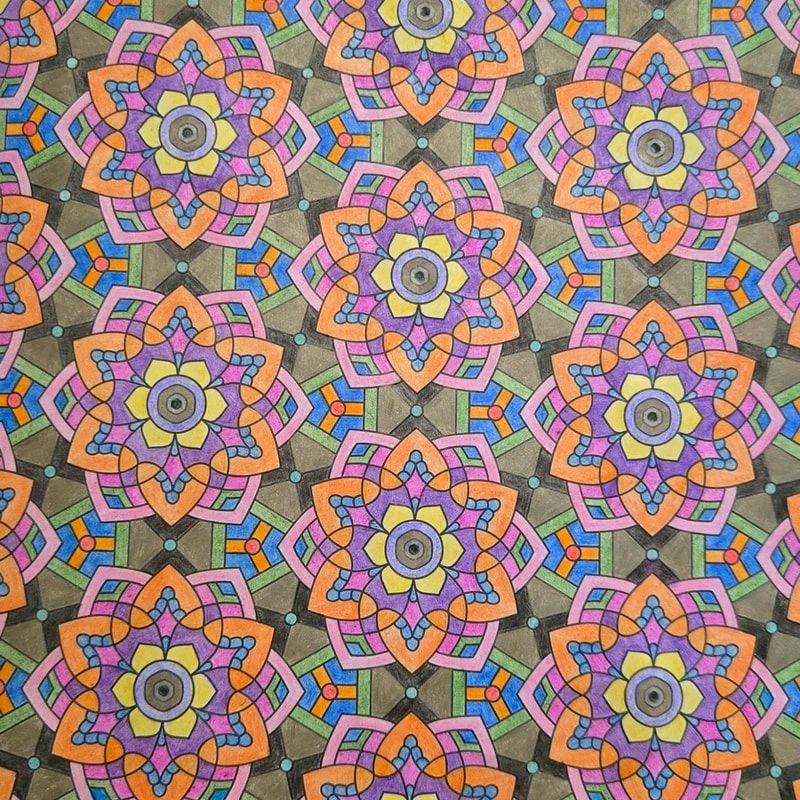
I’ve always been a creative person with a habit of picking up skills, practising them for a few weeks, and completely giving up. One day in Geneva, I walked to Søstrene Grene and picked up some craft supplies to take my mind off the horrible time I was having. I bought some watercolours, embroidery floss for friendship bracelets, coloured card, sequins, washi tape, and origami paper. Out of everything I bought, the watercolours are what stuck the most; I still regularly use them to make greetings cards. Since then, I’ve started other hobbies too, like colouring and scrapbooking. I find these kinds of activities to be a great contrast to mindlessly binging shows or doomscrolling on my phone.
Here are some benefits of creative hobbies that I’ve discovered, both through my own research and first-hand experience:
1. It’s a stress reliever – it’s nearly impossible to focus on two things at once, i.e. feeling anxious and creating a scrapbook, so creativity is great for lowering cortisol.
2. You gain a sense of satisfaction from completing a project – the rush of dopamine I get after finishing something that took time and effort is far more satisfying than the thrill of scrolling on my phone.
3. It can improve social connections – joining a class or sharing a hobby with a friend can boost your social life. I’ve admittedly never done a course, but I do enjoy talking to my friends about our current projects. In a similar vein, I mentioned that I like making watercolour cards for my friends and family, a far more personalised alternative to a cheap corner shop card. Creating something for someone else can be a joyful experience for both the giver and the recipient.
4. It’s good for your mind to learn new skills – lifelong learning is linked to reduced risk of dementia and cognitive decline. Not only that, but many creative hobbies improve our dexterity and hand-eye coordination, so there’s really no downside to picking up something new!
After reading all that, you should surely be thinking, “I’m going to the shops to buy some crafty things right now!” If you aren’t, I’m guessing one of these reasons is holding you back:
“I don’t have any spare time.”
“I’m not handy enough to pick up something new.”
“Hobbies aren’t relaxing because I just get stressed when I can’t do them right.”
“I have no idea where to start.”
I don’t blame anyone for thinking any of these statements, because I used to be in this boat too, but I’m going to break down those reasons one by one:
How long do you spend on your phone each day? If you had time to read this article, you most probably have the time to try a hobby that could actually make you feel better.
Not every hobby requires skill. Some are incredibly easy, and I’m about to give you an idea of one.
It’s natural and expected to not get something right straight away. Not everything you do or create has to be ‘perfect’ by any stretch of the imagination. My stuff certainly isn’t.
It can be intimidating, which is why I’m offering a step-by-step plan.
Ela’s guide to starting a creative hobby
I’ve made this guide as simple as possible, so you literally have no excuse not to try.
1. Go to your local supermarket and buy a colouring book and a packet of markers.NB: colouring books for adults often have smaller and more intricate shapes, so if this intimidates you, I’d even consider getting one for kids. I’m suggesting markers because they’re quicker, although I normally use pencil crayons. With pencils, you also have to worry about sharpening them, so this is your no-fuss starting point.
2. Allot (at least) 20 minutes for it every day. This can be while listening to music, a podcast, or even watching TV.NB: if every day doesn’t work, try every other day. Try the same time every week. Just make sure it’s a time you know you’ll have for yourself, like every night before you get into bed, or in the morning before work. The key is consistency.
3. Notice how you feel afterwards.You’re getting into it? Do more. You hate it? No pressure to finish it, but I’d still suggest giving it a fair shot. Think of the satisfaction you’ll feel when the picture is complete.
Maybe you’re still not convinced. In that case, I can’t force you, but my suggestion is there to show that not every hobby necessarily requires you to have artistic talent or lots of creativity. I also think that colouring books are fairly difficult to ‘mess up’. Even if you colour outside the lines or pick the ‘wrong’ colour, it doesn’t matter. Nobody has to see it. You can even burn it and never think about it again!
To summarise this article in one sentence: leave your perfectionist tendencies at the door and buy yourself a bloody colouring book – you might just fall in love with it.
Picture this: a 20-year-old girl on leave from uni until September, working part-time with her hours recently reduced, leaving her with plenty of free time. She’s worrying about spending too long doing nothing and feeling like she’s wasted her time. What is she to do?
I’ll tell you: she’s going to fly by herself, in the middle of the week, to Ireland, a country she’s longed to visit ever since she started playing Irish music in her folk group. People often say that the best time to travel is when you’re young since it’s when you have the fewest commitments, so why not? I’d been asking my friends for a while if they wanted to come with me, but I didn’t want other people’s schedules to dictate mine. So, I decided to go alone.
Read on to see what I got up to on my travels to the Emerald Isle!
Day 1 My trip didn’t get off to a great start because I somehow missed my flight. I was at the airport on time, but I must have misunderstood the boarding times, because the next thing I knew, the flight had already departed. I debated whether to just go home and return in a few weeks, but I concluded that I had to go now; I’d already told everyone I was going, so it’d be a bit embarrassing to tell them I didn’t. What’s funny is, I suffer from anxiety, but not about ‘normal things’. For example, this situation probably would have made many people anxious, but I was surprisingly calm. My anxiety prefers to torture me with hypothetical situations or overthinking things I can’t change. I booked myself onto the next flight (for an extra £100), and I made sure to catch this one!
I’d been chatting to a girl on Facebook studying in Oxford who’s currently in Dublin for PhD research, so the first thing I did when I arrived was meet her. Thankfully, we got along great, which can sometimes be a bit of a gamble if you’ve only ever spoken over text. I had sent her the list of the places I wanted to visit, and she showed me a fair few of them on the first evening since they were all fairly close.
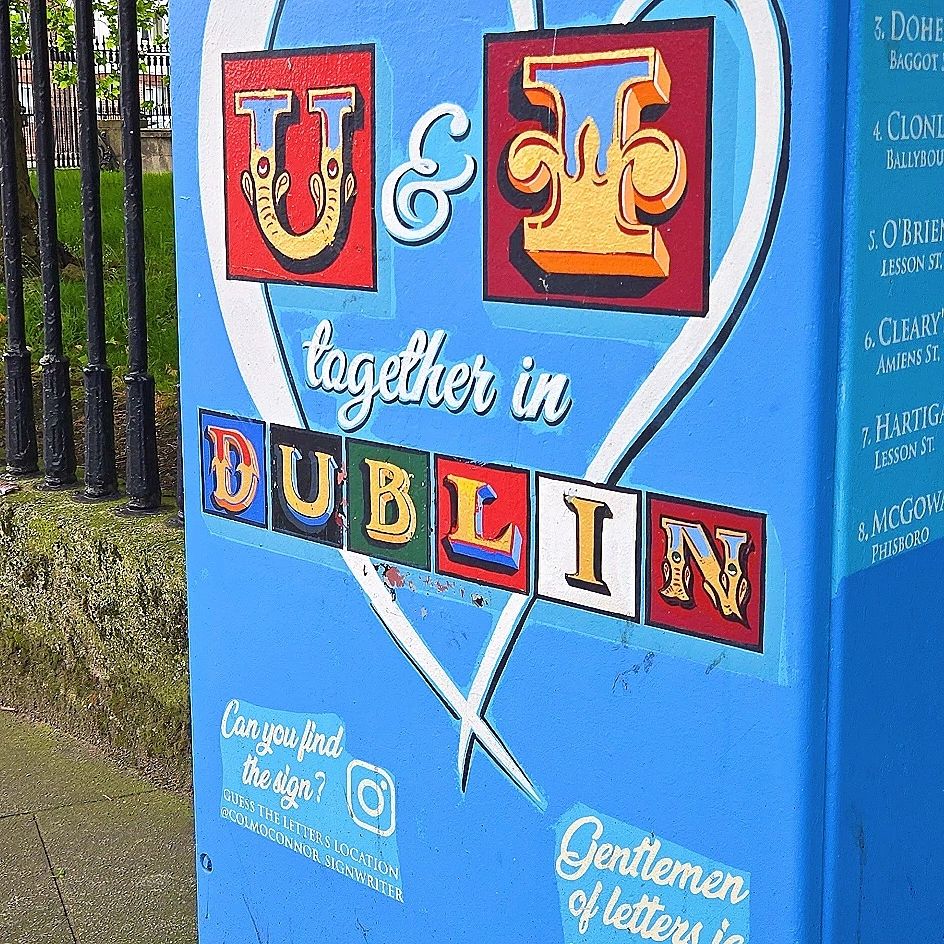
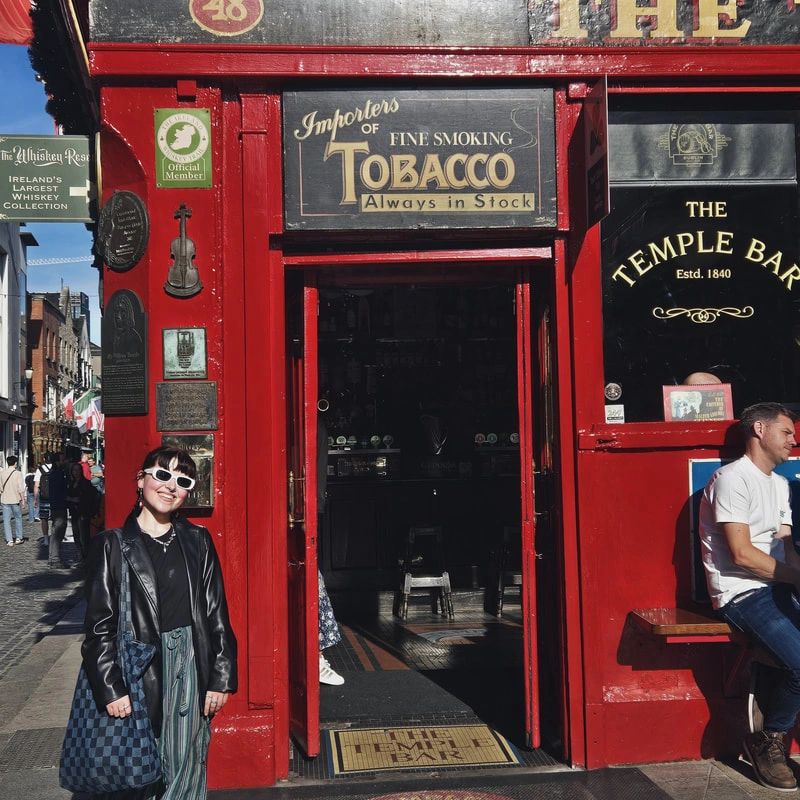
We started at St. Stephen’s Green, a beautiful park covered with lush greenery. From there, we walked to the Temple Bar District to see its namesake bar, followed by the famous Hapenny Bridge and O’Connell Street. I also went to a gift shop to buy my usual travel souvenirs: a sticker for my laptop and a badge for my rucksack. Ireland was having the same heatwave as us in the UK which made walking through Dublin’s streets all the more enjoyable. When it was time to head to my accommodation, Ara, my new friend, kindly showed me to the bus stop and explained where to get off.
The Temple Bar (with a man getting in the way of my modelling!)
As with every other time I’ve used Couchsurfing, my host was very welcoming. He made me a tagine, so we ate together whilst getting to know one another. I’d promised to play him some English tunes on my whistle for letting me stay with him, so I did exactly that. I’d been practising in preparation for my visit, so I was glad I played the tunes without making any mistakes! Then it was off to sleep, ready for a busy day ahead.
Day 2
My host made me porridge with blueberries and apples for breakfast – a lovely start. He had to leave early for work, so I was even more grateful when I noticed he had left me a banana and two fruit and nut bars to take on my travels; it’s not like he had to feed me, so the gesture really made me smile.
I met up with Ara again and we decided to visit Dublin Castle, which was also on my list. Both the inside and the outside of the castle are magnificent, with walls inside lined with extravagant Renaissance paintings and plaques detailing their history. We then explored Dubh Linn gardens right next to the castle. Side note: did you know the name Dublin comes from the Gaelic for ‘black pool’ (Dubh Linn)? I could not get over the weather – it felt more like I was in a tropical country than just 200 miles from home.
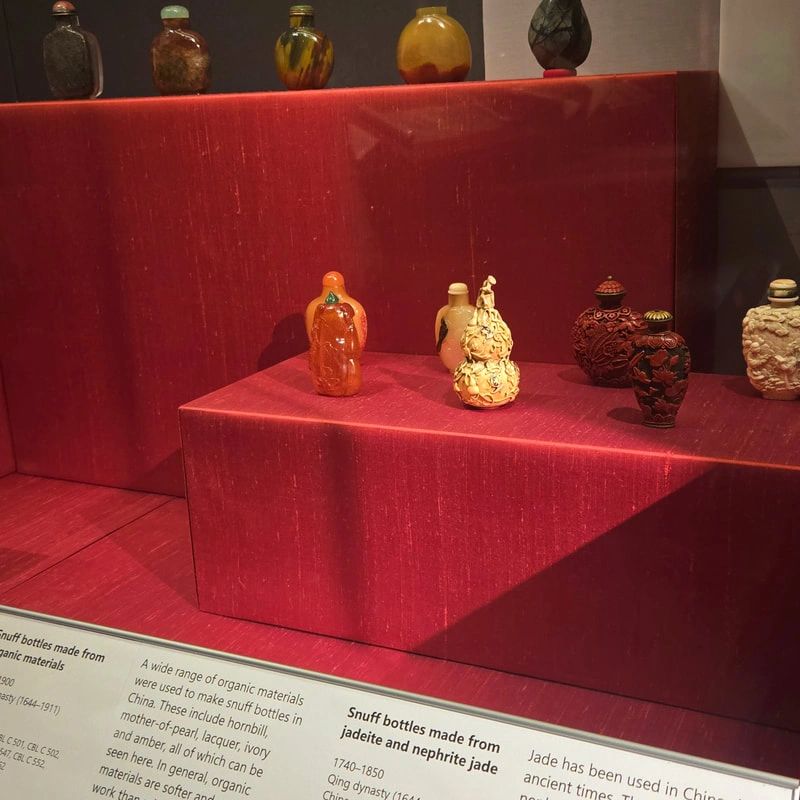
I told Ara I also wanted to visit the Chester Beatty museum, which she’d never heard of. Fortunately, it lies within Dubh Linn gardens and is free to enter, so we both got to experience something new. This museum houses hundreds of fascinating artefacts, my favourite of which were the array of snuff boxes from the Qing dynasty in China. Honestly, if I owned one of those, I’d be tempted to start doing snuff!
Seriously… Look at them!
Ara left after that, so I explored solo. First stop: Christ Church Cathedral, with a bonus view of the Wood Quay Amphitheatre along the way. If I’m honest, the amphitheatre was far more modern than I was expecting, but I can imagine it’s a lovely spot for summer performances. I only saw the outside of Christ Church Cathedral because entry was ticketed, but the architecture alone was enough to take my breath away. I then made my way over to Dublin’s other celebrated cathedral, St. Patrick’s.
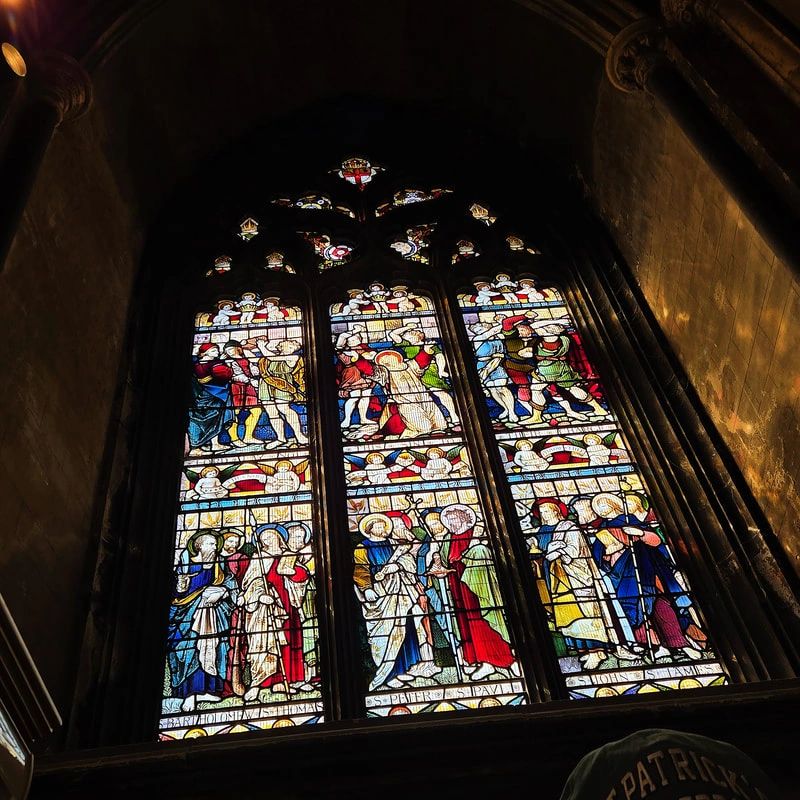
On the walk, I heard a voice from what felt like God himself: “Do you want a free ice cream?” I turned around to see a man in a tiny ice cream shop window, and he repeated his question. I responded with, “Well, if you’re offering!” He explained they had just bought a new ice cream machine and wanted to test it out. It was a humble Mr. Whippy in a cone, but the fact it was free made it taste even better. At St. Patrick’s, I decided to pay the 10 euro student entry fee, and I’m glad I did; I got to learn the story of St. Patrick and the history behind the cathedral, as well as see the awe-inspiring stained-glass windows. I’m not even religious, but I still get an indescribable feeling when I enter religious buildings like this one. For that reason, when I saw the prayer corner, I decided to sit and reflect for a few minutes. There was a notebook to write your reason for praying, so I wrote, ‘to reflect on the beauties I’ve seen in Dublin today’. It made me appreciate my trip even more.
The stained-glass windows of St. Patrick’s
By coincidence, it turns out that one of my friends from Fosbrooks recently moved to Dublin, so we met in the evening. We ate at a 100% vegetarian falafel restaurant where I had a delicious halloumi wrap. She told me how much she loved living there, which got me thinking… maybe I could move here too? We ended the night with gelato from Gino’s, which I initially declined (I’d already had ice cream!) but I couldn’t resist. I decided on the white chocolate and pistachio, and the Kinder Bueno flavours. Izzy drove me back to my accommodation, and after chatting briefly with my host, I had an early night. The 23,000 steps I’d done had worn me out!
Day 3 My host had told me about a round tower in Clondalkin, the village where he lived, so I set off early to explore. I had to walk through a large park to get there, which was especially nice with the morning sun. The tower stands on the site of an ancient monastery – fascinating stuff! Then, I caught a bus back into the city for my final day.
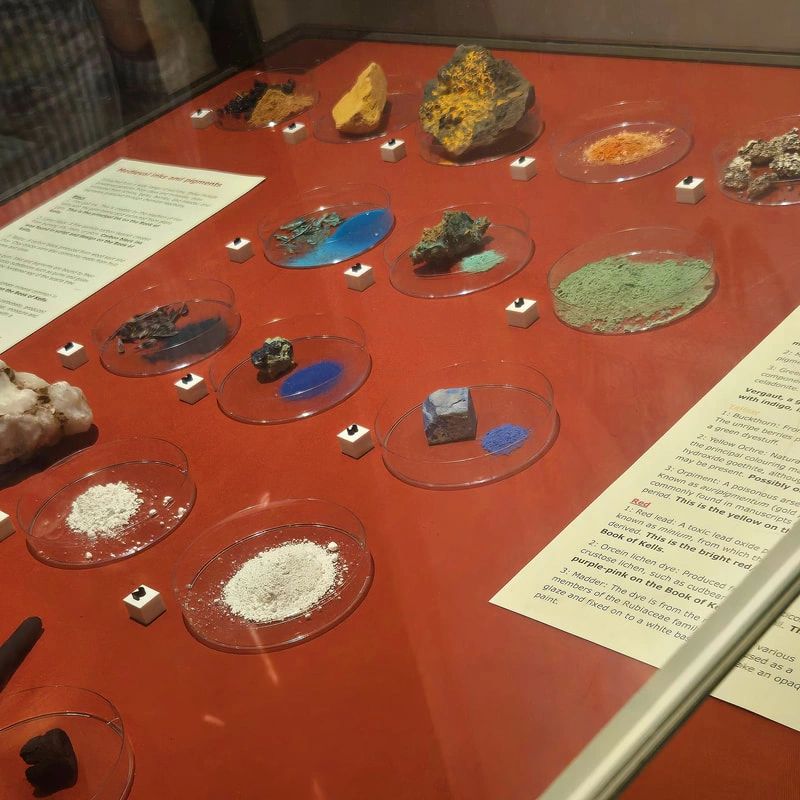
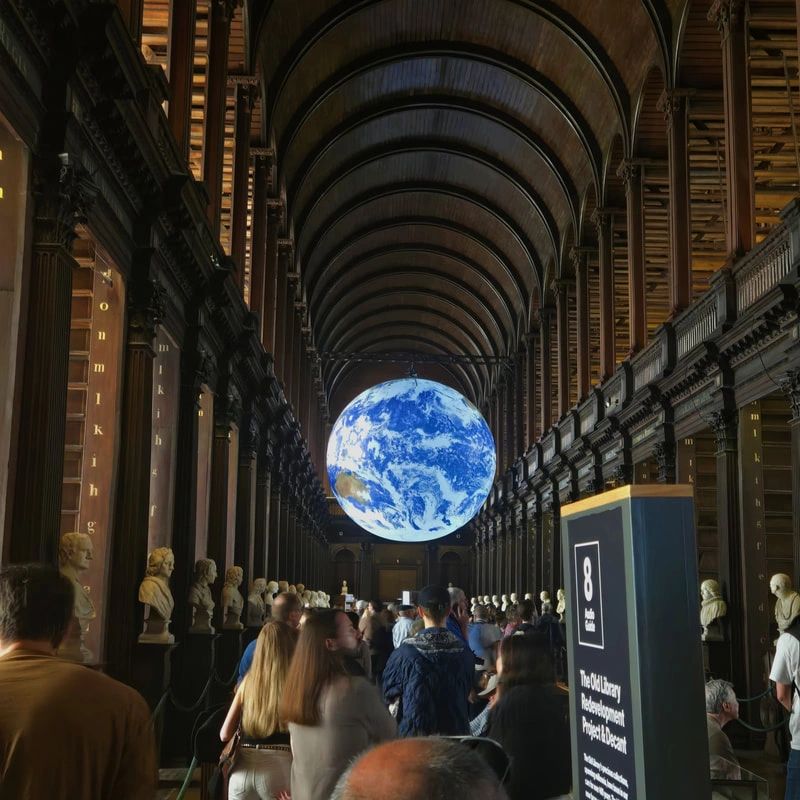
Could I have gone to Dublin without seeing the famous Book of Kells? No, so that was my first stop. The Book of Kells experience meant I got to read all about the creation of the book (which they used the skin of 185 calves for!) and see the pigments in the ink. The book itself was beautiful, though difficult to decipher due to the ornate Irish calligraphy. It made me want to try learning it; I can do blackletter and brush calligraphy, but I’ve never tried Celtic. After seeing the book, we had access to Trinity’s Long Room, a very fitting name for the college’s 65-metre-long library.
The ink pigments used in the Book of Kells (left) Trinity College’s Long Room (right)
When I left, I sat on the grass on Trinity College’s campus. I once got told that I reminded them of Daisy Edgar-Jones, the actress who plays Marianne in the TV adaptation of Normal People, so I tried to pretend I was her. It made me think of how much I would love to live here. This then prompted me to go down a Google rabbit hole of funded PhD programmes in Ireland. It’s just a thought, for now…
At this point, I was getting peckish, so I went to Cornucopia, a vegan restaurant recommended by my host. I had a ciabatta with roasted vegetables and mozzarella. I also decided to get a kombucha to drink which I had never tried before, but I surprisingly liked it. The reason behind my decision was I recently read that in cultures where fermented foods are popular, there are lower rates of mental illness, implying that gut health affects mental health. I’m not sure if the singular drink of kombucha ‘cured’ my mental illness, but maybe I ought to drink it more often. Overall, I enjoyed my experience in this restaurant and it wasn’t as expensive as I was anticipating – the ciabatta and the drink together were 14.45 euros.
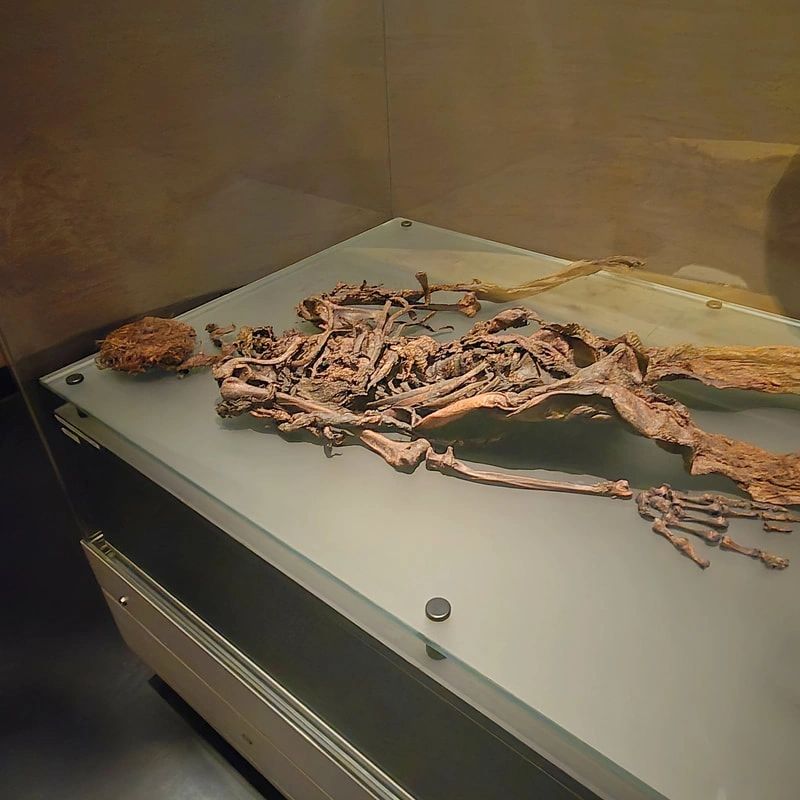
Next, I visited the National Museum, home to incredibly well-preserved bog bodies. As recommended by a friend, it was unmissable. Next door to the National Museum was the National Library, so I also took a quick glance inside. They had a temporary exhibition on Yeats, which truthfully wasn’t my thing, but it was still worth a look considering it was free.
One of the bog bodies in the National Museum
Before heading to the airport, I had one final goal: live Irish music at a pub. I trekked 40 minutes to The Cobblestone, only to find the music wouldn’t start until 5:30, the exact time I needed to leave. Still, I grabbed a drink and chatted to a friendly American couple, so it wasn’t a completely wasted journey.
The Journey Home (a saga)
I’d left my rucksack at my accommodation, so I bussed back to retrieve it. When I tried to unlock the door, my key wouldn’t open it and my host wasn’t home. After ten minutes of aimless attempts, I asked one of the neighbours to help me with no luck. I weighed up my options: the next flight was at 6:15 the following morning, and I had work at 9. I concluded there wasn’t anything too important in the bag, so I could ask my host to post it if worse came to worst.
The neighbours kindly gave me a lift to the bus depot, but the coach was delayed over an hour. As I waited, I suddenly remembered… MY PASSPORT IS IN THE RUCKSACK! I vaguely recalled hearing that you don’t need a passport to travel between Ireland and the UK, but I didn’t know whether that was about Northern Ireland. Google confirmed you only need a form of photo ID and I luckily had my driving licence. I thought that I might as well try, and worst-case scenario, I’d go back to the accommodation and catch the first flight the next morning.
The coach came in a nick of time so I ran across the airport to board my flight. I showed them my driving licence and explained I didn’t have my passport. They rang immigration to ask if I could board, and they asked whether I had a picture of my passport. Thankfully, I did, and it states that I’m a British citizen, so I was allowed on the flight! Once home, I was so tired after the day I’d had and I was dreading going back to the airport for work in less than 12 hours.
My host told me the following day that it would cost 25 euros to post my rucksack, and they wouldn’t send any liquids which my bag had in the form of toiletries. I decided there was only one logical solution: I booked a flight to go again! The return flight was only £30 and I’d get all my stuff back this way. I’m coming and going on the same day, but it at least gives me an excuse to go back and see anything I missed the first time.
Final thoughts
Ireland is by far my favourite country I’ve visited so far. Maybe it was the sunny weather, maybe it was the people, the streets, the music, or maybe it was just the sense of freedom. I’m so grateful for everything that worked out in my favour, from managing to get there and back in spite of difficulties, to making a new friend through Facebook, to being shown such kindness by strangers.
I was slightly apprehensive about going because it was the first time I’d gone away since Geneva, a place etched in my mind for painful reasons, so I’m thankful that I’m learning to enjoy travelling once again.
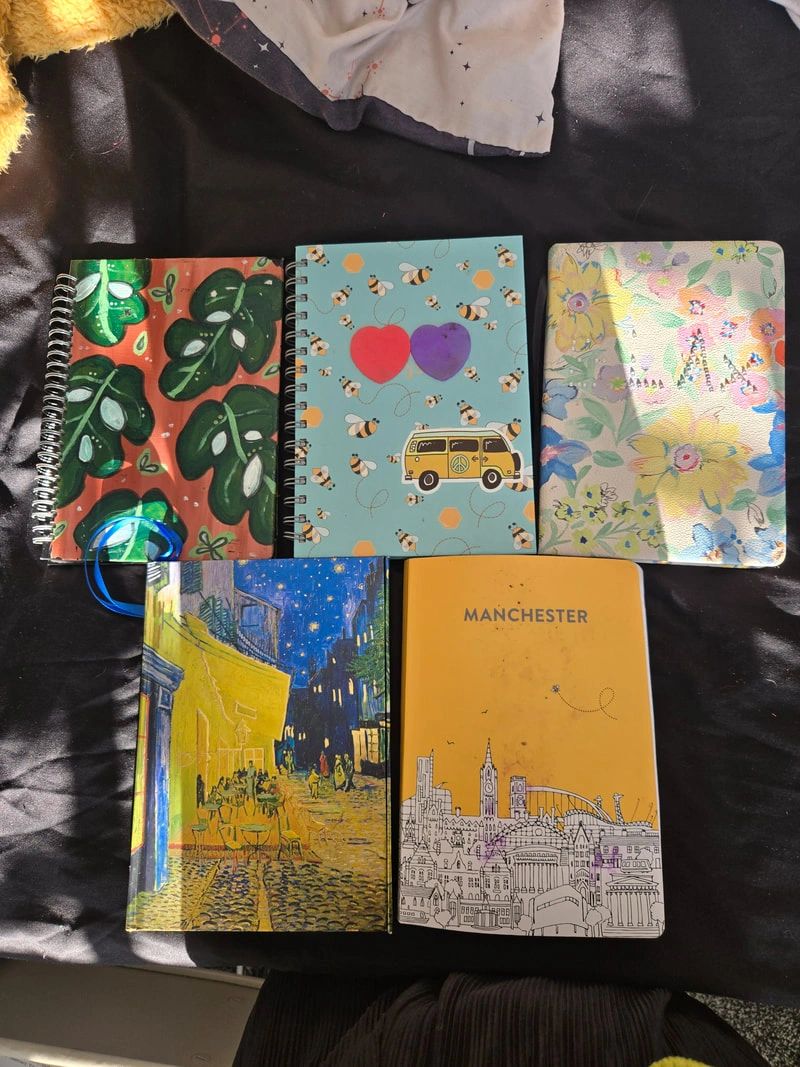
Anyone who knows me at all will know I’m a huge journaling fan. I started my first journal more than four years ago at the age of 16, and I’m now on my fifth. I’ve gone through phases where I didn’t journal for a while but after the events of the past few months, I have no plan to stop anytime soon; it’s satisfying to reflect on how far I’ve come. While it started as simply writing about the most boring parts of my day, it’s since become a space where I process difficult emotions, and I’ve even incorporated a few other ideas to diversify it. This post is going to explore my journaling routine and how I use it for my mental health and to keep myself on track with my goals. If you’re curious about starting a journal, you might find some inspiration here for adding to your own.
My daily journaling routine At the end of every day, I write a page about what happened. Sometimes it’s more than a page if a lot has happened or if I have something I want to fully unpack. Sometimes it’s less than a page if I feel I have nothing to write about, but I do try to find something to at least fill a page. Something I’ve recently added to help me think more positively, is what I’ve named my ‘smile list’: three things that happened during the day that made me feel happy or proud. At first it was a gratitude list, but I’d then feel pressured to think of new things every day which I couldn’t always do. Sometimes, if I can’t think of three, I will also add small things I’m grateful for, such as ‘my eyes for showing me the world’s beauty’.
When I have more time If I have a quiet afternoon and feel like writing, I do my own take on something called ‘morning pages’. The idea is to fill three pages with a stream of consciousness, except I normally call it ‘afternoon pages’ because that’s when I tend to do it. With this, I will write three pages no matter what and it’s interesting to see what arises. Sometimes it turns into a to-do list, other times a venting session – it can be rather unpredictable since I never go into it with a specific intention.
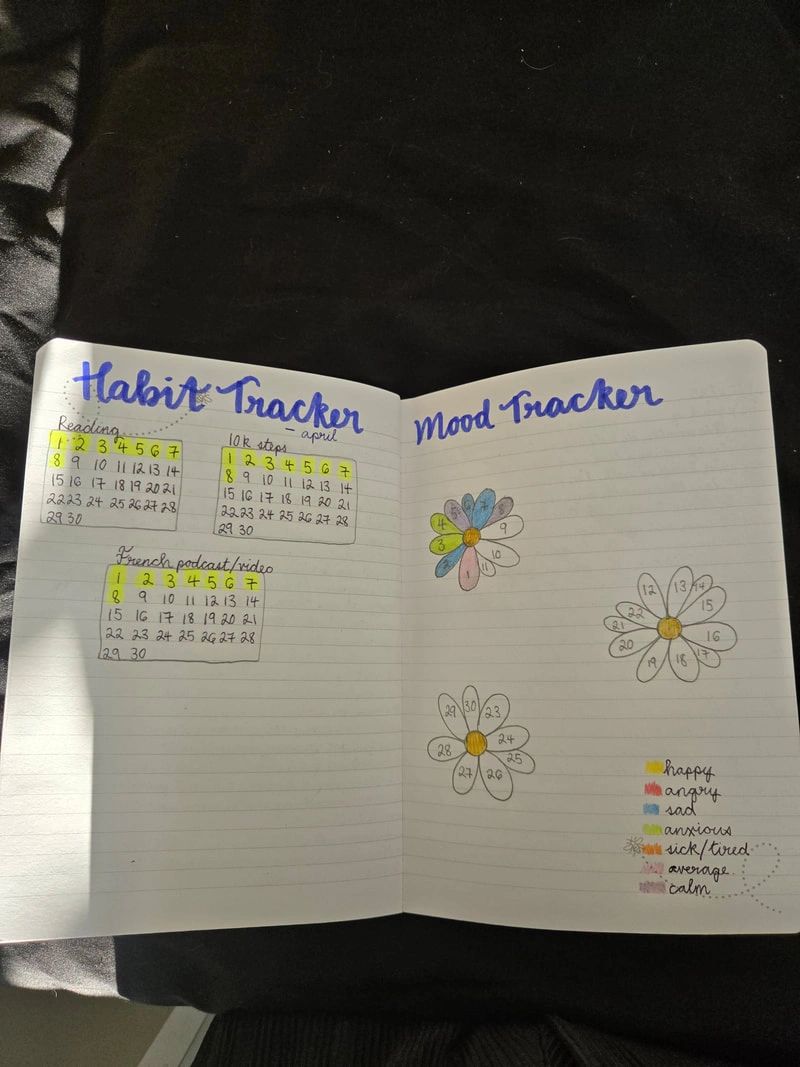
At the end of the month I like to read back through all my journal entries at the end of each month so I can then write an entry titled “What am I proud of this month?”. I started doing this last year as another way to reflect and remind myself of the good things I’ve accomplished, especially because our brains tend to fixate on the bad. I’ve also started making habit and mood trackers for each month. My habit tracker is comprised of a small grid where I highlight each day I did one of my habits. For this month, the three habits I have are: reading, doing 10,000 steps, and watching a French video or listening to a French podcast. As of writing this (the 7th April), I’ve done all of them every day this month! It’s a highly effective way of keeping myself both accountable and motivated because I get a little dopamine hit from colouring in each square. My mood tracker this month is a flower design I found on Pinterest where each petal represents a day, and I colour them based on my mood. Pinterest is my go-to for journaling prompt ideas or templates. I’d definitely recommend checking it out if you’re ever stuck.
At the start of the month Following on from my end-of-month reflections, I start the month with an entry titled “What are my goals for this month?”. It helps me plan out my tasks and how I’m going to manage them. When it comes to the end of that month, I can read back over and see what I did or didn’t do. If there’s anything I didn’t manage to get done, I can prioritise it for the following month so it doesn’t linger as an endless mental to-do.
Book reviews Since I’ve now started to read quite a bit, I write reviews in my journal for every book I finish. I include the title, author, genre, number of pages, and year published, as well as a rating out of five stars and a small paragraph of what I thought about it. When I first started writing these, I would also have a rating for ‘tears’ and ‘spiciness’ because of a template I found online, but these aren’t really relevant to the books I tend to read, so I’ve simplified it to a star system.
There have been other things I’ve added to my journal on occasion, but these are what I use it for regularly. Journaling is a deeply personal activity so if your journal looks completely different, carry on doing what works for you. Some people like to use theirs as more of a creative outlet where they will add drawings or make scrapbook-style pages, but I prefer to stick to writing. Sometimes I think that I want to add other ideas to my journal, like reviews for film reviews alongside books ones, but I find that trying to track too many things can make journaling feel like a chore. It can remove the fun out of the thing you’re doing, like watching the film in this example. That’s why my recommendation to anyone wanting to start journaling is not to put pressure on yourself to write every day – just do whatever you can manage. Any writing is better than none.
I’m utterly shocked that we’re already a quarter of the way through 2025. It feels like I only just got back from Geneva whilst also feeling like I was never gone. At the end of last year, I reflected on what I wanted to achieve this year and I posted an article about it. As is often the case, though, I’ve realised that my goals for the year are already beginning to change due to an unexpected shift in direction. For example, one of my original goals was to travel to 5 countries, which is no longer feasible since I decided against completing my year abroad. My language targets have also changed because of my uncertainty about my next step after graduation. This article will be structured similarly to that original post about my goals for 2025, but it’s now going to be a review of the year so far to see what’s changed.
To start with, here are some good things I’ve done so far:
Some might argue against this being a ‘good’ thing, but I decided not to study in Austria for the second part of my year abroad. I’ve had people applaud me for having the courage to admit I was struggling and for making such a big decision to prioritise my mental health. While it didn’t feel brave at the time, I’m glad I made this choice for myself because I’ve been feeling much better with the stability.
My mental health is improving. I’m still not ‘there’ yet, but my anxiety has largely decreased since I was in Geneva. I’m not exactly sure what changed, but I think it’s partially down to being around my loved ones and not being so trapped in my head.
I’ve started a new job. I knew that when I decided against going to Austria, I needed to do something with my free time; having too much of it means I end up ruminating in my anxiety. I thankfully landed myself an admin job after a few weeks of searching, and I’m enjoying it so far. It’s giving me office experience that will benefit me in future job roles.
I’ve read 6 books. I created a habit tracker in my journal where I highlight each day that I read (among other habits), and I’ve managed to read on the vast majority of days this year. I’m proud of that because I’ve always said I wanted to read more and 2025 is the year I’m finally doing it. I have a system of alternating between reading a fiction and a non-fiction book; most of the books on my list are non-fiction, but I don’t want to overwhelm myself by only reading those. I’m definitely on track to reaching my goal of 20 books this year.
I wouldn’t say I’ve exactly been on any ‘crazy adventures’ so far, but I’m proud of my progress. My anxiety is trying to tell me that “These things aren’t even hard. Your list is full of boring stuff that anyone could do,” but I’m trying to focus on things that are big steps for me. I’m prioritising achievements that are beneficial for me. I’ve spent so much of my life as a people-pleaser and doing things I believe will impress others, but I’m starting to realise I shouldn’t waste my limited time on Earth living for others. I’m not saying I’m going to be selfish, of course not, but I’m actively choosing to put myself first and worrying less about what others are thinking or doing.
Now, my original new year’s resolutions were to do 10,000 steps every day, yoga every day, read an article in French and German every day, and to work on my self-love. I quickly got bored of the yoga because I found it too slow so I’ve abandoned this. Maybe I should try doing pilates or something with more intensity instead. However, I’ve been doing my 10,000 steps almost daily, so I’d say I’m still keeping active. I’ve also stopped reading articles for language practice, but I know I need to implement something to maintain my French.
With all that in mind, here is an updated list of my resolutions – now better described as my ’second quarter-year resolutions’:
10,000 steps every day – I like doing this for several reasons. It saves me money on petrol because I now walk to the shop instead of driving, and it gives me chance to explore my surroundings. I’ve discovered a few lovely nature walks within walking distance of my house that I didn’t even know about!
Read every day – I’ve been doing this all year anyway and it’s definitely something I want to keep up for the foreseeable. It’s a nice break from mindlessly scrolling Tiktok, and I actually learn things from it.
Listen to a French podcast daily – I’ve been neglecting my language learning when I shouldn’t be. I want to maximise my chances of a good grade when I graduate, and the main thing I can do to help with that right now is by regularly engaging with French. The saying “if you don’t use it, you lose it” is especially true when it comes to languages.
Work on my self-love – this one is without a doubt staying on the list. I was going to get therapy to help me with this, but I was told the waiting list is too long. Instead, I’ve been recommended anxiety workshops which I’m going to try. If they don’t help, I might consider private therapy options; it’s something I’m determined to work on this year.
My original goals for 2025 were read 20 books, start learning Dutch, get to C1 level in French and German, and travel to 5 countries. As mentioned earlier, I’m still on track to read 20 books this year so this one won’t change. I do still want to start learning Dutch but I know that I’m realistically not going to have the motivation or time to both start Dutch and get my German to C1. German is no longer part of my degree, so being a final year uni student will be hard enough without learning two extra languages. Travelling to 5 countries also won’t happen this year but that’s okay. I’m gaining valuable work experience instead which might be considered less exciting, but it’s more stable and will hopefully help me when I start job hunting.
Here are my updated goals for 2025, featuring both long and short-term goals:
Read 20 books
Start learning Dutch
Get to C1 level in French – I don’t think I’m far off from being C1 in French anyway. I may do an intensive French course between now and myfinal year, so this will help me get there.
Complete my international reflection project – I need to write a 3,000 word reflection project for my uni about an aspect of Geneva’s culture I noticed whilst living there. I’m about halfway through writing it now, so I’m going to finish it in the next few weeks; it can be one more thing crossed off my list.
Choose a dissertation topic and do all the necessary prep – I had a topic chosen for my dissertation but I’m sadly having to change it now because it was a German topic. I’m in the process of researching topics with similar themes to my original one because I was excited about writing it. If I can find an interesting text to write about and do enough preparation before uni starts again, this will also help to maximise my grade next year.
Some of my goals will be easier than others, but I’m excited about them. I’ve mentioned in previous articles that I like having goals because they give me a sense of purpose. I wouldn’t even say I’m a workaholic per se, but sitting at home with nothing to do is an uncomfortable feeling for me; I prefer having things to work towards, no matter how big or small. So, I know that the rest of 2025 will likely throw me all sorts of challenges, but I’m looking forward to facing them head-on and coming out stronger.
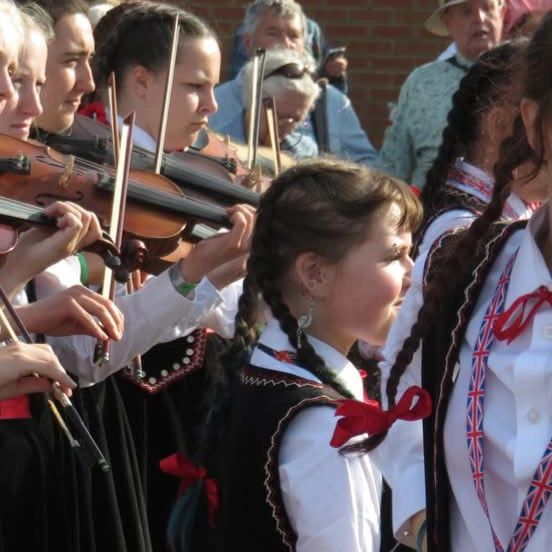
When asked what I like to do in my free time, my first answer is always that I love playing the violin. When I’m then asked about the type of music I play, people are often surprised when I tell them I play traditional folk music; it’s a bit different from the usual grade pieces or classical music that many associate with the violin. The story of how I got into it is both interesting and surprisingly unremarkable – I just stumbled into it really. Since I consider Fosbrooks (the name of my group) an integral part of my character that made me into the person I am today, I wanted to share my story with folk music and show how you can find your tribe in the most unlikely of places.
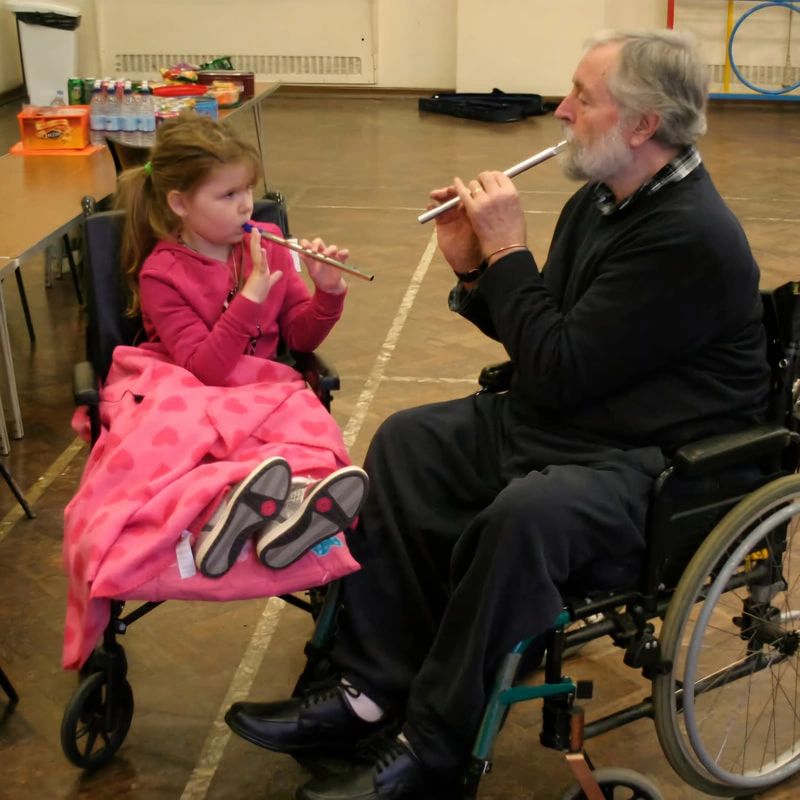
It all started when I was seven years old and I’d just started junior school. Our music teacher told us about the traditional music group she ran where we could choose to try the violin or accordion, as well as clog and Irish dancing. As a curious child, I wanted to see what it was all about and whilst it was a bit intimidating at first, I enjoyed it. I wasn’t so keen on the dancing, admittedly, but I liked trying the musical instruments (even if my initial violin efforts sounded like nails on a chalkboard!). I tried the accordion before the violin, but eventually, I was chosen to take home a violin. It worked out to be a blessing in disguise because, shortly after starting, I had to have a major operation on my leg which left me in a wheelchair with a metal frame around my leg. Suffice to say, a violin was easier to play than an accordion in this case.
I felt terribly low at this point as I couldn’t run on the playground with my friends, and it was a lot for anyone to deal with, let alone a seven-year-old. Fosbrooks became my safe place and Liza, the school’s music teacher and the group’s director, went out of her way to make me feel included. She offered me private violin lessons free of charge so I could start doing grades on the violin, and I also had weekly penny whistle lessons on Saturday mornings. I got along well with Keith, my penny whistle teacher, and I remember our classes fondly. He passed away in 2015, and when I left primary school, I was awarded the Keith Gordon Memorial Trophy to recognise my determination in the Fosbrooks despite the difficulties I’d faced. I’m still grateful for the support Liza gave me even when I was still so new to the group. If it weren’t for her encouragement, I probably wouldn’t have continued.
Me and Keith
One of the biggest ways that Fosbrooks has changed my life is through the people I’ve had the privilege of meeting and the opportunities it’s given me. We’ve had hundreds of members come and go over the years, but I have a close group of friends who are still part of the group and who I’d consider family. The pandemic took its toll, as we lost many members and had no new intake for a couple of years, but we’re thankfully starting to grow again. I also have a very close relationship with Liza, the wonderful woman in charge of the Fosbrooks. She refers to herself as my Fairy Godmother, whilst I am her Fairy Goddaughter.
I’ve had the chance to go away with Fosbrooks several times on local, national and international trips. We often go to Whitby in August to perform at Whitby Folk Festival but this year, we’ve been invited to Sidmouth Folk Festival for the first time in years. It happens to coincide with my 21st birthday, so I’ll be spending my 21st doing something I love, surrounded by people I love. These folk festivals are a fantastic opportunity to see all sorts of music and dance styles, so I’m looking forward to seeing what Sidmouth has to offer. The last time we went abroad was in 2019 when we went to France to perform with a French group called Les Petiots. The pandemic has sadly meant we haven’t been able to go since then, but this same group came to Stockport last year to pay us a visit.
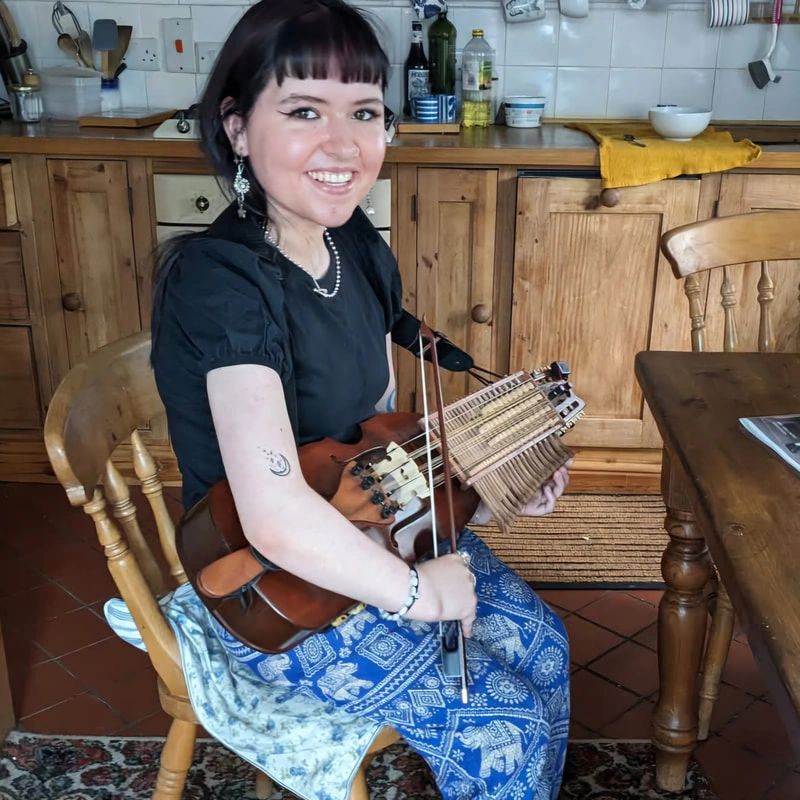
Another opportunity it gave me was the chance to try the Nyckelharpa, a Swedish string instrument
I was absent from all our rehearsals for the first term of this year due to being in Geneva. The day before I left, we had a lovely farewell gathering at the Roman Lakes. I wasn’t really concerned by the fact I’d be missing for several months because I knew I would always have Fosbrooks to return to. When I started struggling with anxiety in Geneva, Liza and I wrote postcards and emails to each other to keep in touch. I believe my experience of studying abroad strengthened our friendship, which is one of few positive things that came out of that difficult time.
This article isn’t about telling you to join a folk group because you’ll love it; there aren’t even that many to join nowadays! Rather, it’s about sharing my story of how something I never would have imagined doing had such a profound impact on my life. It made me into a confident and outgoing person, and let’s be honest, you definitely need confidence to own the fact that you play the violin in a clogging group as a teenager. The biggest lesson I’ve learned from being part of the Fosbrooks is this: try something out of your comfort zone every once in a while. It will do wonders for your self-esteem, and you might even end up finding a new ‘family’ along the way.